coffee
2025/03/23
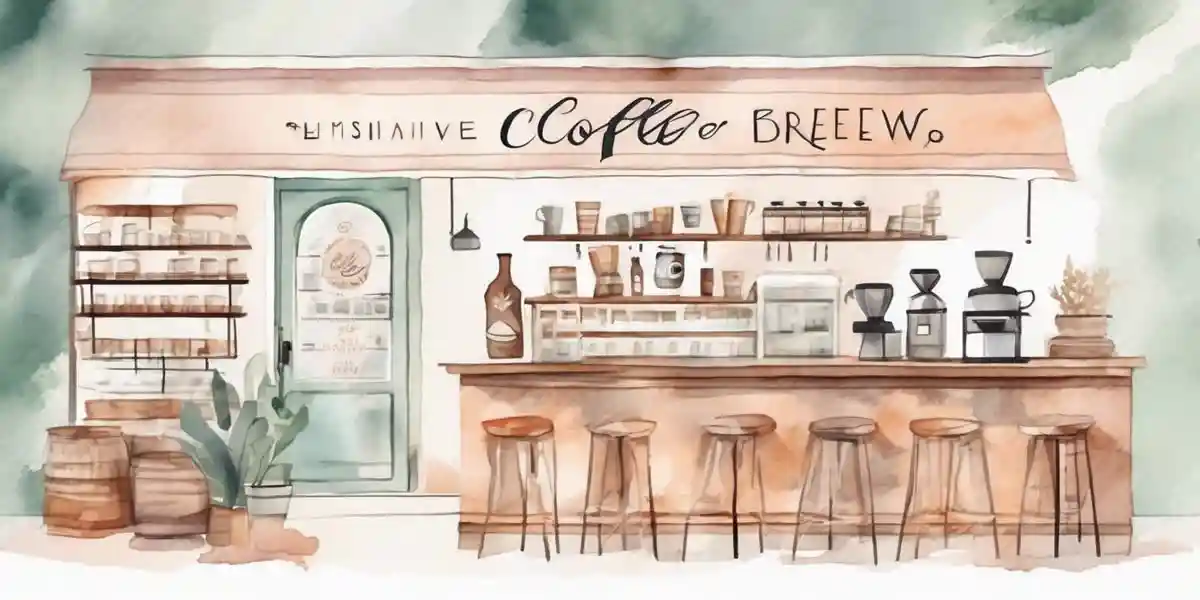
In the vibrant world of specialty coffee, the ambiance of a coffee shop plays a pivotal role that extends far beyond the mere act of brewing and serving coffee. "Crafting Atmosphere: The Mechanism Behind Innovative Coffee Shop Design for Specialty Brews" delves into the fascinating intersection of coffee culture and architectural design, exploring how thoughtfully curated environments shape consumer experiences. As the specialty coffee movement grows, so does the critical understanding of how spatial design influences customer behavior and satisfaction. This blog post will examine the essential elements of coffee shop design, including the importance of atmosphere, the nuances of specialty brews, and how innovative layouts and aesthetics can foster both community engagement and individual contemplation.
Through an analysis of sensory engagement—encompassing aspects such as lighting, acoustics, and even scent—this exploration highlights the significance of "Experiential Design." It reveals how a coffee shop can become a multifunctional space that caters to diverse customer needs, from socialization to solitude. By integrating case studies of successful coffee shops that embody these principles, we will illustrate the tangible impact of design on customer loyalty and brand identity. Ultimately, this post underscores the notion that coffee shops are not merely venues for consumption, but rather carefully crafted spaces that enhance the overall coffee experience, driving innovation in design and elevating customer satisfaction.
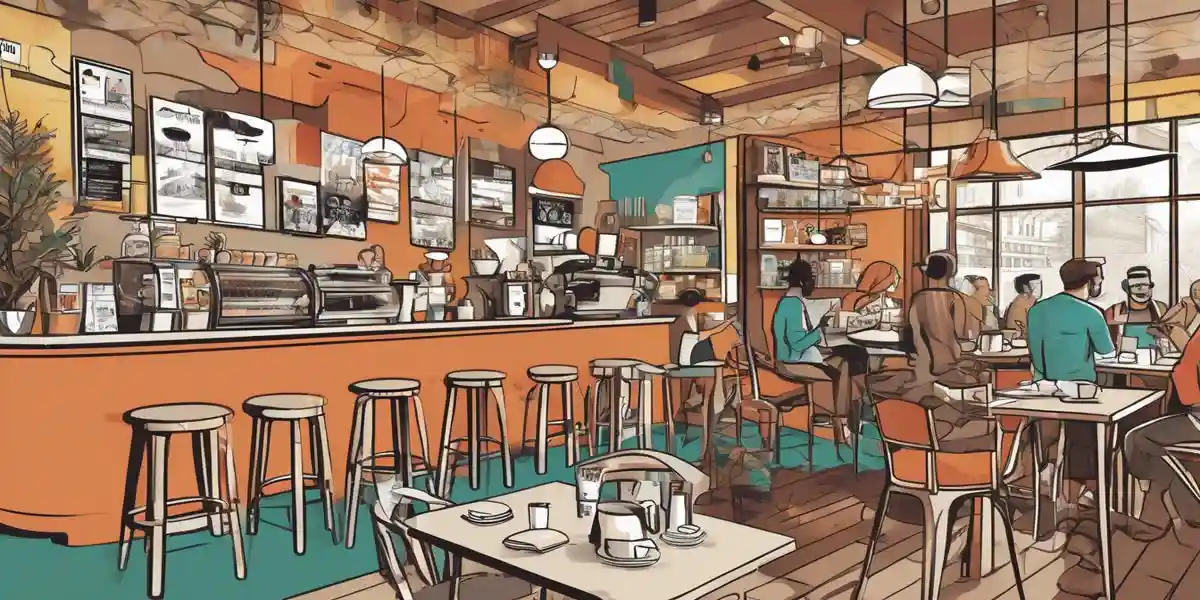
The atmosphere of a coffee shop plays a pivotal role in shaping the customer experience, particularly in the realm of specialty brews. A well-designed space not only enhances the sensory appeal of the coffee but also fosters a community feel and encourages customer loyalty. According to a study by the Specialty Coffee Association, the ambiance of a coffee shop can influence consumer behavior, making the design a crucial aspect of the business strategy.
One of the primary elements of effective coffee shop design is the crafting of a multi-sensory experience. This includes considering the visual aesthetics, auditory environment, olfactory elements, and tactile sensations that can enhance the overall coffee-drinking experience. For instance, Blue Bottle Coffee, a renowned specialty coffee chain, employs minimalist design principles with natural light, clean lines, and an open layout that allows customers to see the brewing process. This transparency not only demystifies the specialty brewing techniques but also engages the customers, making them feel part of the experience.
Another vital aspect of coffee shop atmosphere is social interaction. Spaces that encourage conversation and collaboration can significantly enhance customer satisfaction. For example, the coffee shop chain Stumptown Coffee Roasters designs its seating arrangements to promote communal tables, which fosters a sense of community among patrons. Studies show that social interactions can enhance the perceived value of the coffee experience, as customers are more likely to return to a place where they feel connected to others.
Lastly, successful coffee shop design often incorporates elements of local culture and identity. This can manifest in the choice of decor, the type of music played, or even the artwork displayed. For example, Cafe Grumpy in Brooklyn, New York, integrates local artists' works into its decor, creating a unique sense of place that resonates with the community. This connection to local culture not only enhances the atmosphere but also builds brand loyalty, as customers are drawn to establishments that reflect their values and identity.
In this comprehensive exploration of the importance of atmosphere in coffee shop design, we’ve highlighted the significance of creating a multi-sensory experience, encouraging social interaction, and incorporating local culture. These elements work synergistically to elevate the specialty coffee experience, ensuring that coffee shops remain not just places to grab a drink, but vibrant community hubs.
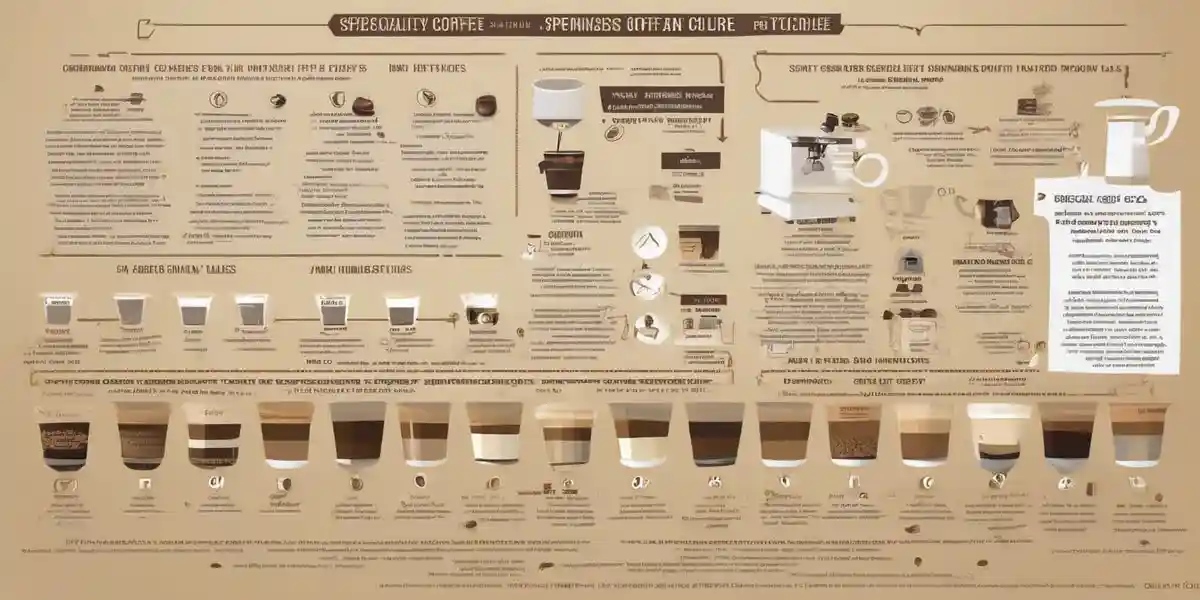
Specialty coffee is more than just a beverage; it embodies a culture of connoisseurship that emphasizes quality, sustainability, and the intricate processes behind each cup. The term "specialty brew" signifies coffee that has been cultivated, processed, and prepared with exceptional care, often earning a score of 80 or above on a 100-point scale by certified coffee tasters. This section explores the defining characteristics of specialty brews from a connoisseur's perspective, highlighting their unique attributes and the broader implications on coffee shop design.
The Specialty Coffee Association (SCA) has established rigorous standards for what constitutes specialty coffee. This includes specific criteria for the beans, which must be grown in ideal conditions, harvested at peak ripeness, and processed using methods that preserve their inherent qualities. For instance, the elevation, climate, and soil composition of growing regions, such as Ethiopia or Colombia, greatly influence flavor profiles. Connoisseurs often appreciate flavors that are complex and layered, such as citrus or floral notes that can emerge from well-processed beans. A coffee shop focusing on specialty brews can enhance its atmosphere by showcasing the origins of its beans, creating an educational experience for customers.
Innovative brewing techniques play a pivotal role in defining specialty coffee. Methods such as pour-over, siphon, and nitro cold brew not only enhance flavor extraction but also engage the customer in a sensory experience. For example, a coffee shop such as Blue Bottle Coffee employs precise brewing methods to maximize the unique characteristics of each coffee. The artistry of the barista, who is often seen as a craftsman, can elevate the overall atmosphere of the shop, establishing a connection between the brewer and the consumer. This interaction engages connoisseurs and casual drinkers alike, fostering a deeper appreciation for the nuances in flavor.
Connoisseurs increasingly value sustainability and ethical sourcing in their coffee choices. Specialty coffee often comes from farms that employ environmentally friendly practices and ensure fair compensation for growers. For example, companies like Stumptown Coffee Roasters are committed to direct trade, ensuring that farmers receive adequate pricing for their high-quality beans. This ethical approach resonates with consumers who are not only interested in flavor but also in the impact of their purchases. A coffee shop that emphasizes its dedication to sustainability can create a unique atmosphere that appeals to socially conscious customers, reinforcing a sense of community and shared values.
Overall, defining specialty brews from a connoisseur’s perspective involves examining quality, brewing techniques, and sustainability. These elements not only enhance the taste experience but also shape the design and atmosphere of coffee shops, creating spaces that reflect the passion and dedication behind every cup.
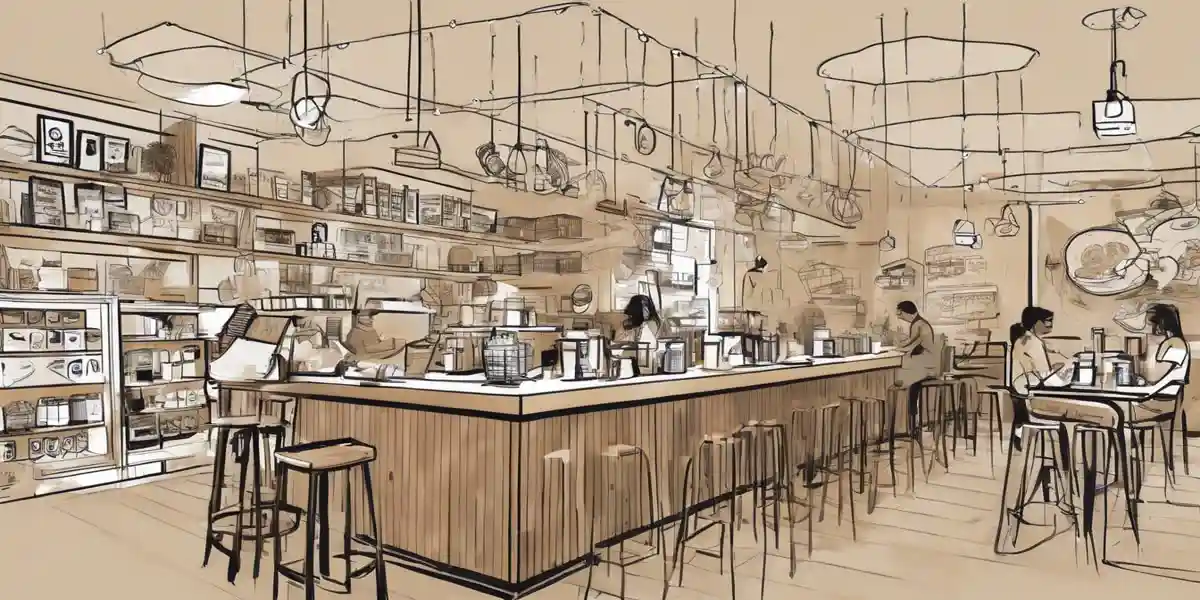
In the realm of specialty coffee, design transcends mere aesthetics; it serves as a vital mechanism for creating a compelling atmosphere that enhances the consumer experience. This section delves into the intricacies of coffee shop design, exploring how spatial arrangement, sensory elements, and interactive features contribute to an innovative ambiance that captivates customers.
The first critical aspect of innovative coffee shop design is spatial arrangement. A well-thought-out layout not only facilitates efficient service but also encourages social interaction and exploration. For instance, Blue Bottle Coffee in San Francisco employs an open floor plan that allows customers to see the coffee preparation process. This transparency not only builds trust but also invites patrons into the ritual of brewing, creating a deeper connection to the specialty brews. Research indicates that open layouts can enhance customer satisfaction by creating a sense of community and shared experience (Baker et al., 2021).
Secondly, sensory elements such as lighting, sound, and aroma play a crucial role in shaping the atmosphere. The use of natural light and warm tones in coffee shop design can evoke feelings of comfort and relaxation, essential for customers who wish to linger over their coffee. For example, Stumptown Coffee Roasters utilizes soft, ambient lighting to create an inviting space that encourages customers to relax and enjoy their drinks. Furthermore, the deliberate incorporation of coffee aromas can trigger positive associations and enhance the overall sensory experience, as studies show that scent can significantly influence mood and behavior (Spence, 2020).
Finally, integrating interactive features into coffee shop designs can further enrich customer engagement. For instance, the newly opened Café Grumpy in Brooklyn showcases a brew bar where customers can interact directly with baristas, learning about various brewing methods. This hands-on approach not only demystifies specialty coffee but also fosters a community atmosphere where customers feel empowered and informed. Research highlights that customer interaction can lead to increased loyalty and repeat visits, as individuals are more likely to return to spaces where they feel a personal connection (Kwortnik & Thompson, 2009).
In summary, the design of a coffee shop serves as a multifaceted tool that directly influences customer experience. By thoughtfully considering spatial arrangement, sensory elements, and interactive features, coffee shop owners can craft an atmosphere that not only promotes specialty brews but also builds lasting relationships with their clientele.
In examining the intricate relationship between innovative coffee shop design and the experience of specialty brews, we have traversed several key elements that contribute to crafting a memorable atmosphere. We began by exploring the foundational aspects of spatial design, highlighting how layout and flow can enhance customer interaction and create an inviting environment. The importance of sensory engagement—encompassing aroma, sound, and visual aesthetics—was also emphasized, illustrating how these factors elevate the tasting experience and foster a deeper connection between the consumer and the beverage.
Furthermore, we delved into the significance of branding and storytelling within coffee shop design. Establishments that effectively communicate their unique identity through decor and ambiance not only attract clientele but also cultivate loyalty and community. This was complemented by a discussion on sustainability, where the integration of eco-friendly materials and practices was presented as not merely a trend but a necessity that aligns with consumer values in today's market.
These points matter profoundly as they reflect a broader shift in consumer expectations and behaviors. As specialty coffee continues to gain traction globally, the design of coffee shops must evolve accordingly, blending artistry with functionality to meet the desires of a more discerning clientele. The future outlook suggests that as we enter an era of heightened competition, those who prioritize thoughtful design will not only thrive but also contribute positively to the culture surrounding coffee consumption.
In light of these insights, we invite readers—whether you're coffee shop owners, designers, or enthusiasts—to consider how you can apply these principles in your own ventures or experiences. The next time you enjoy a cup of specialty brew, reflect on how the atmosphere enhances your experience. Engage with your local coffee community, support innovative designs, and perhaps even share your thoughts on what makes an ideal coffee shop environment. After all, every sip is a moment waiting to be enriched.

Get notified about new articles, coffee tips, and Web3 insights.
This site participates in affiliate programs and may earn a commission when a link is clicked and a purchase is made. The site is not responsible for any issues or troubles related to the products or services purchased through the use of this site.

DO&COFFEE loves coffee and technology, exploring the potential of NFTs and blockchain. Learn more →
DO&COFFEE loves coffee and technology, exploring the potential of NFTs and blockchain. Learn more →