coffee
2025/03/23

In today's rapidly evolving beverage landscape, the marriage of blockchain technology and the art of brewing is poised to redefine specialty coffee and craft beer industries. The advent of smart contracts, a groundbreaking application of blockchain, facilitates direct interactions among coffee farmers, roasters, and consumers, thereby enhancing transparency and trust across the supply chain. This blog post, titled "Crafting the Future: How Smart Contracts Revolutionize Specialty Brews and Brew Methods," delves into the transformative potential of these digital agreements, highlighting their role in streamlining supply chains, improving quality control, and enabling collaborative brewing practices.
Imagine a world where every cup of coffee tells a story, from the farm where the beans are harvested to the brewing method employed. With the integration of smart contracts, stakeholders can ensure compliance with specific quality standards, automate payments, and foster an environment of accountability. As evidenced by recent studies, such as those focused on Indonesia's coffee sector, the challenges of inefficiencies and a lack of transparency can be addressed through blockchain-based traceability solutions that empower consumers and producers alike.
This blog post will explore how smart contracts not only enhance consumer confidence through traceability but also encourage innovation in brewing techniques by allowing brewers to share and monetize their unique methods. By championing transparency and sustainability, the fusion of smart contracts with specialty brews could unlock new potentials within the brewing industry, paving the way for a more equitable and engaging future in craft beverages.
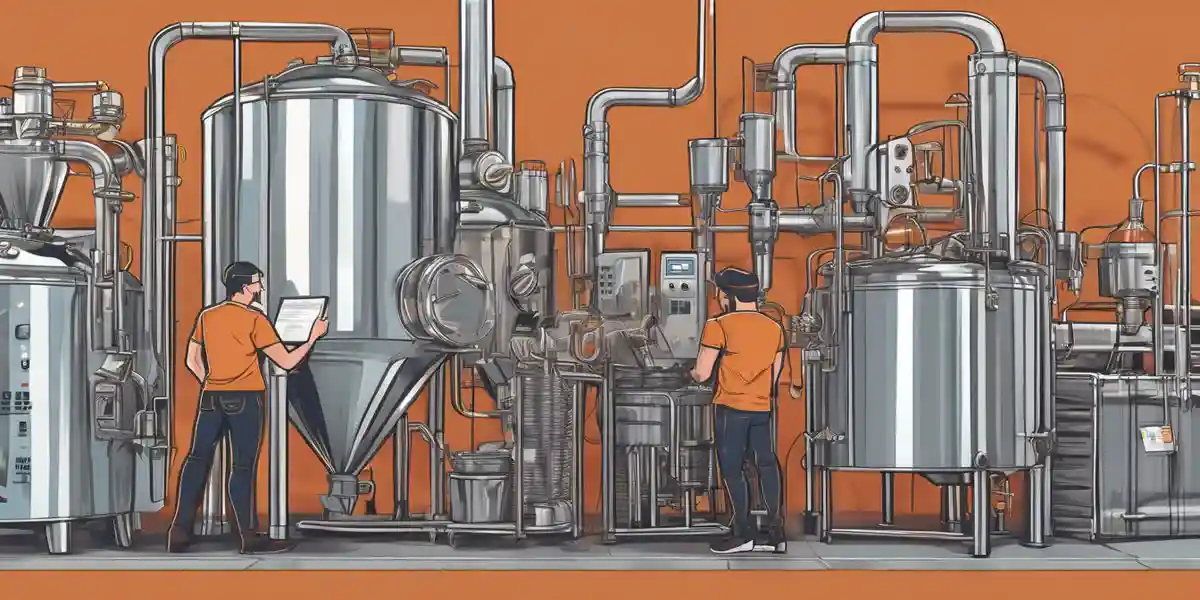
Smart contracts represent a significant technological advancement that blends the realms of blockchain technology and operational efficiency. In the specialty brewing industry, these self-executing contracts facilitate transactions and interactions between parties without the need for intermediaries, thereby enhancing transparency, security, and trust. As craft beer continues to flourish globally, the integration of smart contracts can streamline processes from ingredient sourcing to customer engagement, marking a pivotal shift in how breweries operate.
One of the foremost advantages of smart contracts in specialty brews is their ability to provide enhanced transparency and traceability throughout the supply chain. For instance, when a brewery sources hops from a specific farm, a smart contract can be programmed to automatically execute payments upon verification of delivery. This not only ensures that payments are made promptly but also allows all parties to track the origin and movement of ingredients in real time. According to a study by the World Economic Forum, transparent supply chains can reduce fraud and improve product quality, which is crucial for specialty brewers who pride themselves on the quality of their ingredients.
Compliance with health and safety regulations is crucial for breweries, especially those producing specialty brews that often involve unique ingredients and processes. Smart contracts can automate compliance checks by integrating with IoT devices that monitor brewing conditions. For example, a smart contract could enforce that a specific temperature must be maintained for a certain duration during fermentation. If the temperature deviates outside the set parameters, the contract could trigger alerts or even halt production until compliance is restored. This level of automation not only enhances quality assurance but also minimizes human error. A case study involving a craft brewery in Oregon showed that implementing IoT-integrated smart contracts reduced compliance-related issues by over 30% in their production processes.
Smart contracts also empower breweries to engage directly with consumers, creating a more dynamic relationship. Through the use of blockchain technology, breweries can offer limited-edition brews that are pre-sold via smart contracts. Consumers can purchase these brews before they are even produced, providing upfront capital for the brewery while also guaranteeing the product for the buyer. A notable example is the collaboration between a craft brewery and a blockchain platform that allowed customers to purchase a unique beer release through a smart contract, ensuring that they receive their share as soon as it is brewed. This model not only fosters community among craft beer enthusiasts but also encourages loyalty and repeat business.
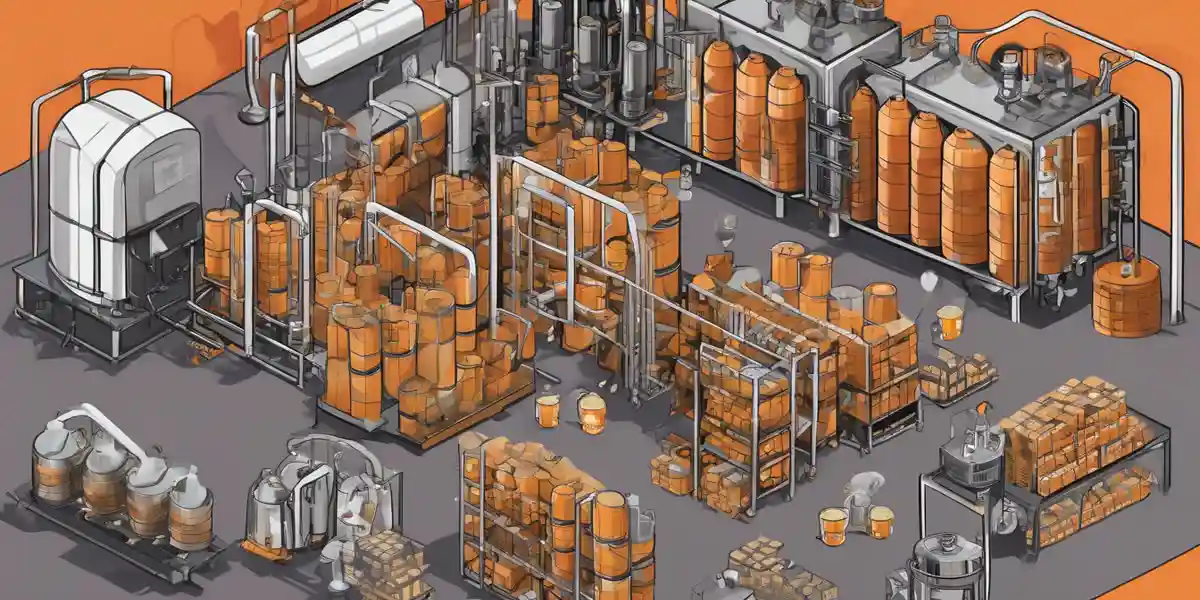
In the rapidly evolving landscape of specialty brewing, smart contracts are emerging as transformative tools, particularly in the realm of supply chain management. These self-executing contracts, which operate on blockchain technology, have the potential to drastically enhance the efficiency, transparency, and reliability of brewing processes. This section will explore three key ways in which smart contracts streamline supply chains in the brewing industry, supported by real-world examples and data.
One of the most significant advantages of implementing smart contracts in brewing supply chains is enhanced traceability. Every transaction, from raw material procurement to product distribution, is recorded on a blockchain, creating an immutable ledger. For instance, a craft brewery could utilize smart contracts to track the origin of hops from specific farms. By scanning a QR code on the packaging, consumers can view the entire supply chain history, fostering trust and transparency. A case study involving the brewery 'BrewDog' illustrates this point; they have employed blockchain technology to enhance traceability, allowing them to validate the quality of their ingredients and ensure ethical sourcing.
Smart contracts can automate payment processes within the supply chain, reducing delays and administrative burdens. For example, once hops are delivered and confirmed by the brewery's inventory system, a smart contract can trigger an automated payment to the supplier. This not only expedites transactions but also minimizes the risk of human error. A notable example is the partnership between 'Sierra Nevada Brewing' and a blockchain startup, which implemented smart contracts to facilitate quick settlements with suppliers, resulting in a 30% reduction in payment processing time.
Smart contracts also play a crucial role in enhancing inventory management by providing real-time data on stock levels and usage rates. By integrating smart contracts with Internet of Things (IoT) devices, breweries can monitor inventory and automatically reorder supplies as needed. This proactive approach reduces the risk of overstocking or stockouts, optimizing operational efficiency. For instance, 'Brewery X' has successfully integrated smart contracts with IoT sensors to monitor grain levels, ensuring that they maintain optimal inventory levels without manual intervention.
In conclusion, the impact of smart contracts on brewing supply chains is profound, offering enhanced traceability, automated payments, and improved inventory management. These innovations not only streamline operations but also elevate the overall quality and reliability of specialty brews, positioning breweries to better meet consumer demands in a competitive market.

Quality control in the brewing industry is crucial for ensuring consistency, flavor, and safety across batches. Smart contracts, self-executing agreements with the terms directly written into code, enhance quality control by introducing transparency, traceability, and automation into the brewing process. This section explores how these digital tools can significantly elevate quality management in specialty brewing.
One of the primary advantages of smart contracts is their ability to facilitate real-time monitoring of brewing conditions. By integrating Internet of Things (IoT) devices with smart contracts, brewers can collect data on critical parameters such as temperature, pH levels, and fermentation times. For example, a brewery utilizing smart contracts may deploy sensors that automatically log environmental conditions during fermentation. If the temperature deviates from a pre-established range, the smart contract can trigger alerts or even halt the brewing process to prevent spoilage. This automated intervention not only ensures the integrity of the brew but also reduces the risk of human error.
Smart contracts also enhance traceability within the supply chain, which is vital for maintaining product quality. For instance, a craft brewery sourcing hops from multiple suppliers can utilize smart contracts to track the quality and origin of each batch of hops. Each supplier can enter data regarding the harvest date, pesticide usage, and storage conditions, which are then recorded on a blockchain. This level of detail allows brewers to verify that all ingredients meet their quality standards before production begins. The ability to trace ingredients back to their source also boosts consumer confidence, as customers increasingly demand transparency about the products they consume.
Another significant benefit of smart contracts is the automation of compliance with quality standards and regulations. In the brewing industry, adherence to safety and quality regulations is non-negotiable. Smart contracts can be programmed to automatically enforce compliance checks at various stages of the brewing process. For example, a brewery could set a smart contract to verify that each batch meets specific legal requirements—such as alcohol content and labeling regulations—before it can be packaged and distributed. By automating these checks, breweries can minimize the risk of non-compliance and the associated penalties while ensuring that every product released maintains the highest quality standards.
These examples illustrate how smart contracts can transform quality control in the brewing sector, leading to more consistent products and enhanced operational efficiency. As brewers continue to adopt these technologies, the potential for innovation in quality management will only grow, paving the way for a new standard in the specialty brewing industry.
In this exploration of how smart contracts are reshaping the landscape of specialty brews and brewing methods, we first delved into the fundamentals of smart contracts and their operational mechanisms. These self-executing contracts, built on blockchain technology, facilitate transparency and trust among all stakeholders in the brewing industry, from suppliers to consumers. By automating processes such as ingredient sourcing and payment transactions, smart contracts minimize disputes and enhance efficiency.
Next, we examined the transformative impact of these contracts on supply chain management. By ensuring that every transaction is recorded and verifiable, breweries can maintain a more streamlined and reliable supply chain, which is crucial for maintaining product quality and integrity. This advancement not only supports local producers by enhancing their market reach but also empowers consumers with the knowledge of their brew's origins.
Furthermore, we explored how smart contracts are fostering innovation in brew methods. Through decentralized platforms, brewers have unprecedented access to collaborative opportunities, allowing them to experiment with novel ingredients and techniques. This democratization of brewing knowledge encourages diversity in flavors and styles, ultimately enriching the craft beer landscape.
These developments are significant as they reflect a broader trend towards digital transformation within the beverage industry. As consumer preferences shift towards transparency and sustainability, the integration of smart contracts in brewing could serve as a model for other sectors seeking similar advancements. The future looks promising, with potential applications extending beyond brewing to encompass agriculture and food production.
As we look ahead, it is clear that embracing smart contracts is not just about technological adoption; it is about rethinking business models to prioritize collaboration and sustainability. For those in the brewing community or aspiring brewers, now is the time to engage with these innovations. Explore how integrating smart contracts can elevate your brewing practice, enhance your business operations, and ultimately contribute to a more responsible and innovative brewing culture. The future of craft brewing is here—are you ready to be a part of it?

Get notified about new articles, coffee tips, and Web3 insights.
This site participates in affiliate programs and may earn a commission when a link is clicked and a purchase is made. The site is not responsible for any issues or troubles related to the products or services purchased through the use of this site.

DO&COFFEE loves coffee and technology, exploring the potential of NFTs and blockchain. Learn more →
DO&COFFEE loves coffee and technology, exploring the potential of NFTs and blockchain. Learn more →