art
2025/11/06

This article contains affiliate links. We may earn a small commission at no extra cost to you. Learn more
Have you ever found yourself captivated by a piece of digital art, only to wonder about its true value in a world where anything can be replicated? The intersection of art and technology has never been more thrilling, and the rise of cryptocurrencies, particularly non-fungible tokens (NFTs), is crafting a new narrative for artists and collectors alike. This revolution not only democratizes art ownership but also fundamentally changes how we think about value and authenticity in the digital age.
In this blog post, we’ll explore how blockchain technology is reshaping the digital art marketplace, offering a clearer understanding of what influences NFT pricing, and examining the significance of relationships between sellers and buyers in these transactions. Join us on this journey through the innovative landscape of digital art and crypto, and discover how these forces are altering the art world and creating new opportunities for both artists and collectors.
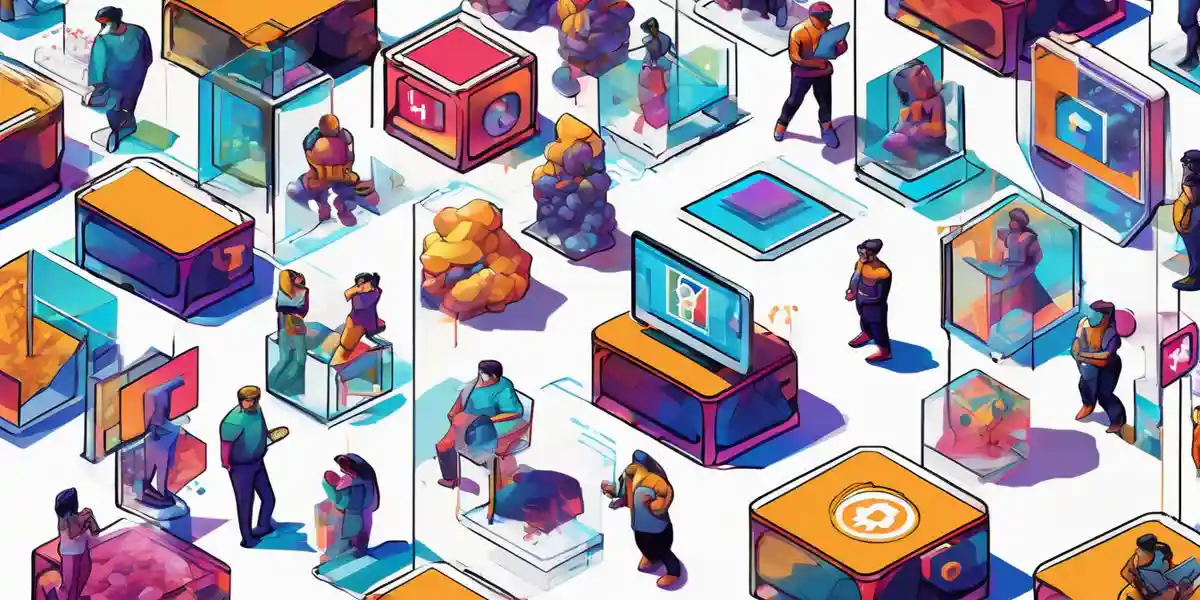
At the heart of the digital art revolution lies the concept of blockchain—a digital ledger system that records transactions across multiple computers in a way that ensures the security and transparency of data. This technology has paved the way for non-fungible tokens (NFTs), which represent unique ownership of digital art. Unlike cryptocurrencies that are interchangeable, NFTs are distinct assets that authenticate and verify ownership of digital creations.
According to the paper 'Blockchain-Based Decentralized NFT Marketplace For New Fine Art', the mechanism of tokenization allows artists to convert their digital artworks into NFTs, thereby creating scarcity and enhancing their value. This process not only protects artists' intellectual property but also facilitates direct sales without intermediaries, allowing artists to retain a larger share of their profits.
Smart contracts are self-executing contracts with the terms of the agreement directly written into code. These contracts run on blockchain, enabling automatic enforcement of agreements without the need for intermediaries. As highlighted in the same study, this automation greatly reduces transaction costs and streamlines the buying and selling process in the NFT marketplace, making it faster and more efficient for artists and collectors alike.
For instance, when an artist sells an NFT, a smart contract can automatically transfer a percentage of future sales back to the artist, ensuring they benefit financially as their work appreciates over time. This feature is particularly appealing because it aligns the interests of both the creator and the collector, fostering a more sustainable ecosystem for digital art.
While blockchain technology opens up exciting pathways for digital art, issues regarding scalability and environmental impact can pose challenges. The paper 'Non-fungible Tokens: Promise or Peril?' discusses how the current blockchain infrastructure can be energy-intensive, raising concerns among artists and collectors alike. However, many platforms are actively working on solutions to minimize their carbon footprint and enhance transaction efficiency.
Despite these challenges, the potential of the blockchain to transform the digital art market is immense. For example, platforms that support decentralized marketplaces allow artists from diverse backgrounds to reach global audiences, removing geographical barriers that traditionally limited exposure and sales. This democratization of access is creating a thriving community where new and established artists can flourish.
One notable example is the platform OpenSea, which has become a marketplace for digital artists to showcase and sell their work as NFTs. This platform offers tools for artists to mint their NFTs and engage directly with buyers, thus empowering creators to gain recognition and financial rewards for their talents. Additionally, the ability for collectors to trade these art pieces as assets further enriches the marketplace ecosystem, driving engagement and investment in digital art.
In summary, the integration of blockchain technology into the digital art world through NFTs and smart contracts is transforming how artists and collectors interact. This decentralized approach not only enhances the value and authenticity of art but also fosters a vibrant community, ushering in a new era of creativity and commerce within the art market.
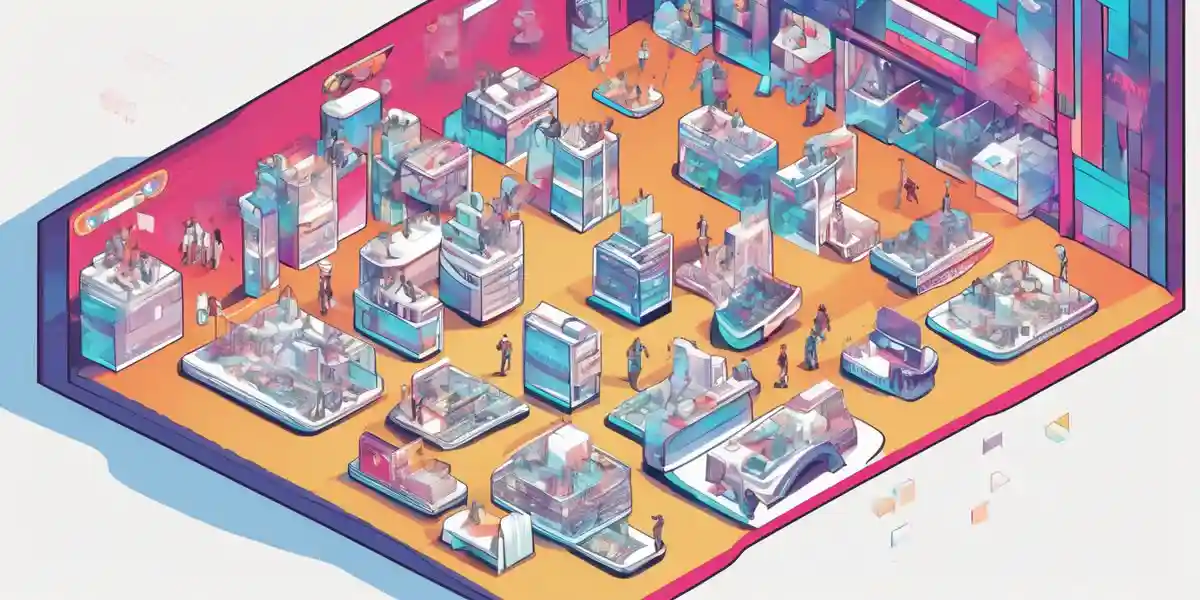
One of the most significant factors influencing the price of non-fungible tokens (NFTs) in the digital art world is their scarcity. Scarcity refers to the limited availability of an item, which often heightens demand and perceived value. Just like physical art pieces, limited-edition NFTs tend to fetch higher prices due to their exclusive nature. For instance, artworks by renowned digital artists like Beeple or Pak can command millions primarily because of their scarcity within the digital landscape.
In the research paper 'What Determines the Price of NFTs?', it was revealed that the uniqueness and edition size significantly impact pricing. NFTs that are one-of-a-kind (also known as "1/1" NFTs) often see higher bids compared to those that are part of a larger collection. This interplay of scarcity and rarity is integral to understanding how pricing mechanisms operate in the NFT market and plays an essential role in determining the value of digital art. The blockchain technology that underpins NFTs allows for precise tracking of ownership, ensuring that each token's rarity is verifiable and maintained.
The reputation of an artist also greatly influences NFT pricing. Established artists tend to have a following that can elevate demand for their work, resulting in higher prices. A well-known case that underscores this point is the sale of Beeple’s digital collage "Everydays: The First 5000 Days," which sold for $69 million at a Christie’s auction. His established reputation and the hype created around his work played pivotal roles in driving the auction price to astronomical heights.
Moreover, community engagement, particularly within social media platforms and collector networks, is vital for an artist's success in the NFT space. Artists who actively participate in online communities tend to cultivate a loyal fan base that eagerly anticipates their drops. This community dynamic is explored in the study 'Blockchain-Based Decentralized NFT Marketplace For New Fine Art', which discusses how active engagement with collectors not only enhances visibility but also creates anticipation, which can translate into higher prices.
Market conditions and trends also play a crucial role in determining NFT prices. The fluctuating interest in digital art and NFTs can cause significant variations in pricing. For example, during times of heightened interest in the NFT market, as seen in early 2021, prices soared dramatically across various platforms. Conversely, during downturns or when the market shows signs of saturation, prices may deflate correspondingly.
According to the research from 'What Determines the Price of NFTs?', an analysis of on-chain and off-chain data from platforms like OpenSea can reveal how larger market dynamics influence individual transactions. Factors such as overall trading volume, the popularity of specific collections, and even global events can act as catalysts or constraints, affecting how collectors perceive value and willingness to pay.
Finally, the perceived utility of an NFT—whether it offers additional benefits or experiences—can greatly influence its pricing. For example, some NFTs grant owners exclusive access to events, collaborations, or future drops, adding additional value beyond mere ownership of a digital image. This aspect of utility ties into the importance of provenance, or the history of an NFT's ownership, which can enhance its value if it comes from a notable creator or a significant past sale.
In the expansive digital art landscape, understanding what drives valuation—from scarcity and artist reputation to market dynamics and perceived utility—equips both artists and collectors with the knowledge necessary to navigate this innovative marketplace. As artists craft their value propositions in the digital realm, they will continue to leverage these factors in conjunction with blockchain technology to enhance their creative offerings and engage with the collector community effectively.
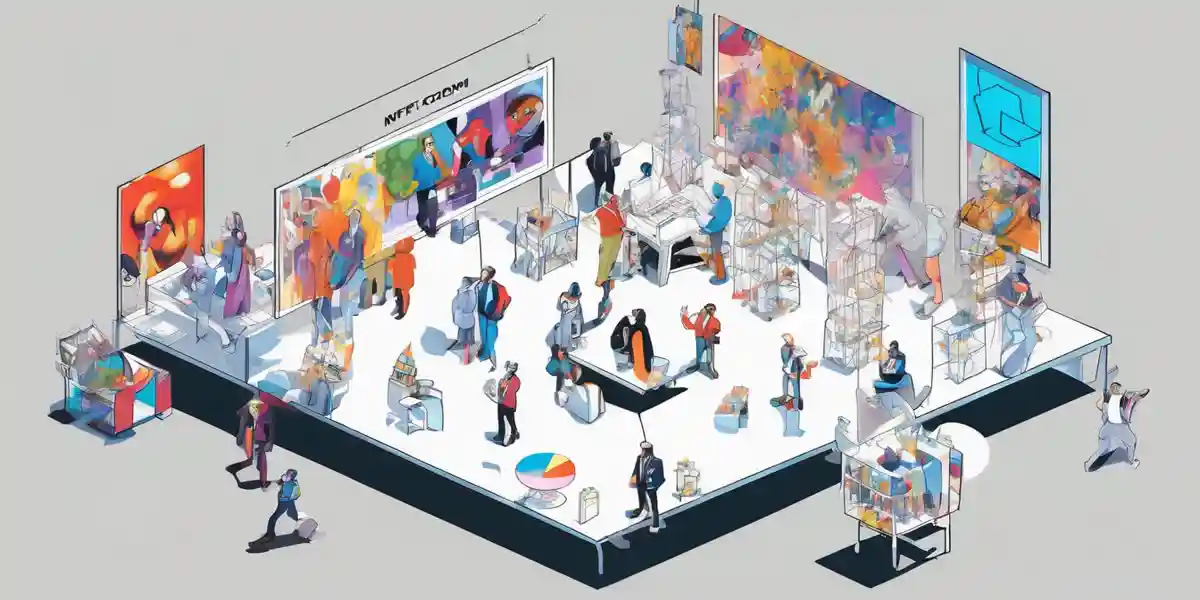
The network effect refers to the phenomenon where the value of a product or service increases as more people use it. In the world of NFTs (non-fungible tokens), this effect is particularly potent in shaping the relationships between sellers (artists) and buyers (collectors). As more artists enter the NFT space and more collectors become interested in purchasing digital art, the market itself becomes more vibrant, driving higher levels of engagement and transaction volume. This growth fosters trust and a sense of community, which are crucial for the success of NFT art transactions.
In NFT marketplaces, the seller-buyer dynamic is vital. Artists not only sell their work but also cultivate relationships with their buyers, which can lead to repeat purchases and a loyal following. For instance, when an artist actively engages with collectors through social media or community platforms, it builds a rapport that can boost the perceived value of their art. According to the research paper 'What Determines the Price of NFTs?', the social attributes of the seller play a significant role in influencing a buyer's purchasing decision. Buyers are likelier to invest in art from artists they feel connected to, enhancing the overall value of their purchase.
The emergence of communities around NFT projects further amplifies the network effect. Artists can create their own communities to engage collectors and fans, providing them with insights, exclusive content, and special offerings. For example, an artist might offer limited edition NFTs to their most loyal collectors or host events in virtual spaces where collectors can interact with them directly. This sense of belonging encourages collectors to not only buy art but also share it, generating word-of-mouth excitement that attracts new buyers. This was highlighted in the study 'Non-fungible Tokens: Promise or Peril?', which notes that the unique nature of NFTs invites a dedicated community, helping to sustain long-term engagement and interest in both the artist's work and the NFT market as a whole.
The relationships formed between sellers and buyers also have a direct impact on the pricing of NFT art. In a thriving marketplace, prices can be driven up as demand increases due to positive seller-buyer relationships. For instance, when a buyer has had a pleasurable interaction with an artist, they may be more willing to pay a premium for future works. This dynamic, coupled with the unique attributes of NFTs which denote specific ownership and provenance, means that the seller's reputation and the relationships they build can strategically influence the market value of their digital art. The findings from 'What Determines the Price of NFTs?' support this, emphasizing how seller reputation and active community engagement play a critical role in shaping the financial landscape of NFT transactions.
As the NFT art market continues to evolve, understanding the network effect will be essential for both artists and collectors. By fostering meaningful connections and building a community, artists can enhance the perceived value of their work, leading to greater sales and a sustainable career in the digital realm. Collectors, in turn, benefit from this dynamic by gaining access to exclusive content and a richer purchasing experience. The network effect not only boosts individual transactions but also drives the entire ecosystem toward growth and innovation.
As we've explored throughout this blog post, the fusion of digital art and cryptocurrency is not just a trend; it represents a transformative wave redefining how artists and collectors interact, create, and value art. From understanding how blockchain technology decentralizes the art marketplace, to recognizing the factors that influence NFT pricing, and appreciating the vital role of seller-buyer relationships, it's clear that a new era is taking shape.
Key takeaways include the fact that artists can now reach global audiences without the barriers imposed by traditional galleries, allowing for authenticity and transparency in ownership through blockchain. Moreover, understanding the nuances of what makes an NFT valuable—be it rarity, community engagement, or the artist's reputation—can empower both creators and collectors to make informed decisions in this burgeoning space. Lastly, nurturing strong relationships is central to the vitality of market interactions; the right connections can amplify an artist's reach and a collector's experience exponentially.
Digital art and cryptocurrencies are not just reshaping value; they're crafting a new narrative for creativity and investment. Whether you are an artist seeking to showcase your work or a collector searching for unique pieces, embrace this vibrant landscape. Start exploring the possibilities, engage with communities, and consider how you might contribute to and benefit from this exciting evolution. Together, we can shape the future of art in this digital age.
Get notified about new articles, coffee tips, and Web3 insights.
This site participates in affiliate programs and may earn a commission when a link is clicked and a purchase is made. The site is not responsible for any issues or troubles related to the products or services purchased through the use of this site.

DO&COFFEE loves coffee and technology, exploring the potential of NFTs and blockchain. Learn more →
DO&COFFEE loves coffee and technology, exploring the potential of NFTs and blockchain. Learn more →