crypto
2026/01/23

This article contains affiliate links. We may earn a small commission at no extra cost to you. Learn more
What if backing a painter’s next series or a musician’s new album didn’t require getting past a gallery, a label, or a handful of well-connected patrons—just an internet connection and a community that believes in the work? That’s the promise drawing art lovers toward decentralized finance (DeFi): a digital, blockchain-based toolkit that can move money and ownership in new ways, potentially letting creators raise support directly from fans across the globe.
In this post, we’ll explore how DeFi fits into the broader digital transformation of finance—and what that means for funding creative expression without traditional gatekeepers. You’ll see what DeFi can change (access to funding, speed of transactions, and global participation) and what it can’t magically replace (real demand for art, reputation, and the trust that makes patronage work). We’ll also look at a key caution: research examining the COVID-19 period analyzed 9 DeFi tokens, 3 NFTs, Bitcoin, and Ethereum and detected several overlapping “digital bubbles” across these cryptoassets—evidence that arts-adjacent crypto markets can experience high-magnitude boom–bust dynamics.
Taken together, the opportunity is real—but so is the risk. DeFi can enable community-driven funding experiments and new forms of digital patronage, yet these mechanisms operate inside fast-moving markets where bubbles can form and burst, and where complex integrations between tools can amplify outcomes for better or worse. If you’re a creator, collector, or simply curious about the future of funding art, this guide will help you navigate what’s empowering, what’s fragile, and what to watch before you jump in.
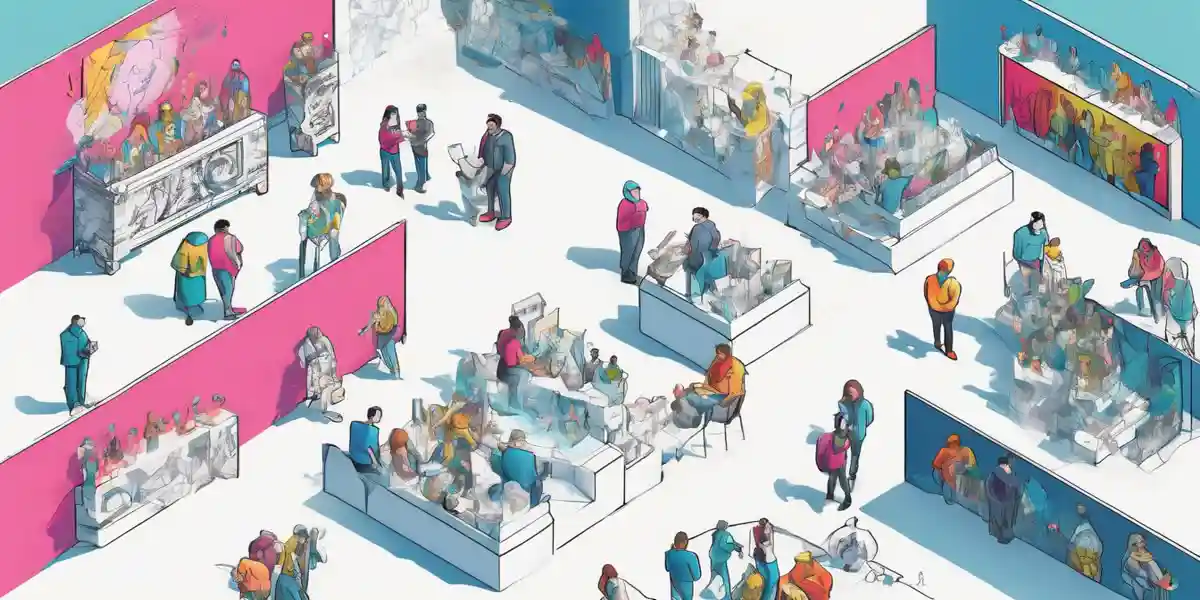
DeFi (decentralized finance) shifts arts funding from “permissioned” systems (a gallery roster, a grant committee, a platform’s internal rules) to “open access” tools that run on a public blockchain (a digital ledger system). In practice, that means more people can act like patrons—without needing an introduction, a minimum account size at a private bank, or approval from an institution.
Example 1: Micro‑patron circles instead of one big gatekeeper. A small group of fans can pool funds on-chain and decide together what to support—like commissioning a digital series, sponsoring a residency, or backing a community exhibition. The key change isn’t that the art world suddenly becomes “fair,” but that the entry point can be as simple as connecting a wallet and contributing a small amount.
Traditional arts funding often moves at the speed of paperwork: applications, reviews, contracts, payment schedules, and slow cross-border wires. DeFi tools can move value quickly because transfers and agreements happen on-chain, with rules enforced by smart contracts (self-executing code).
Example 2: Milestone funding with automatic releases. Imagine an album, graphic novel, or interactive artwork financed in phases: sketches → first draft → final delivery. A smart contract can release funds when the community confirms a milestone. This can reduce the administrative friction that usually makes small creative projects expensive to manage.
DeFi’s speed is also tied to how connected the system is. The paper “Measuring Asset Composability as a Proxy for DeFi Integration” describes DeFi’s high interoperability and “shared state,” where assets (including “liquidity shares,” which are claims on pooled assets) can be deposited across multiple applications—similar to rehypothecation (re-using collateral). For art funding, that same “lego-like” composability can enable new flows: a community pool can earn yield while waiting to pay a creator, or route funds through different tools without renegotiating everything from scratch.
Arts patronage has always been global in spirit, but not always in infrastructure. DeFi makes it easier for a supporter in one country to back a creator in another without relying on a single payment processor, local banking access, or currency conversion steps.
Example 3: Cross-border collecting and funding in one motion. A collector can support a creator by buying an NFT (often used in arts contexts to represent ownership or provenance of a digital artwork) and, in the same ecosystem, join a funding pool that helps finance the creator’s next project. The “global participation” shift is less about hype and more about fewer logistical blockers for small contributions from many places.
DeFi can widen access to funding tools, but it can’t manufacture genuine demand. If the work doesn’t resonate—or if the audience is already overwhelmed by choices—no protocol fixes that. You can remove gatekeepers and still face the oldest challenge in the arts: getting attention, earning emotional connection, and building a collector base.
Gatekeepers often served as reputational filters (imperfect ones, but recognizable): a respected label, a gallery’s curation, a grant panel’s endorsement. In DeFi-style funding, that filtering burden shifts outward to the crowd. Supporters ask: Who is this creator? Do they deliver? Are they consistent?
So while DeFi reduces dependence on institutional validation, it increases the importance of portable reputation: a track record, transparent communication, credible collaborators, and a history of finished work. In open systems, reputation becomes the “social collateral” people use when deciding whether to fund.
DeFi is often described as “trustless,” but that’s only partly true. It reduces the need to trust a single middleman, yet it introduces new trust questions:
And because DeFi apps can interconnect, risk can travel through connections. The study “Measuring Asset Composability as a Proxy for DeFi Integration” highlights that liquidity shares (claims on assets) can be deposited across multiple applications, increasing integration. That interconnectedness is powerful for building new funding pipelines, but it also means a problem in one piece of the stack can affect the rest—so “trust” becomes a broader, system-level concern rather than a single institution’s promise.
DeFi changes the rails of arts funding—who can plug in, how quickly money moves, and how easily global supporters can coordinate. What it doesn’t change are the human fundamentals: art still needs an audience, creators still need credibility, and supporters still need reasons to trust. In a gatekeeper-light world, those fundamentals don’t disappear; they simply become more visible, because the system can’t hide weak demand or shaky reputation behind institutional branding.
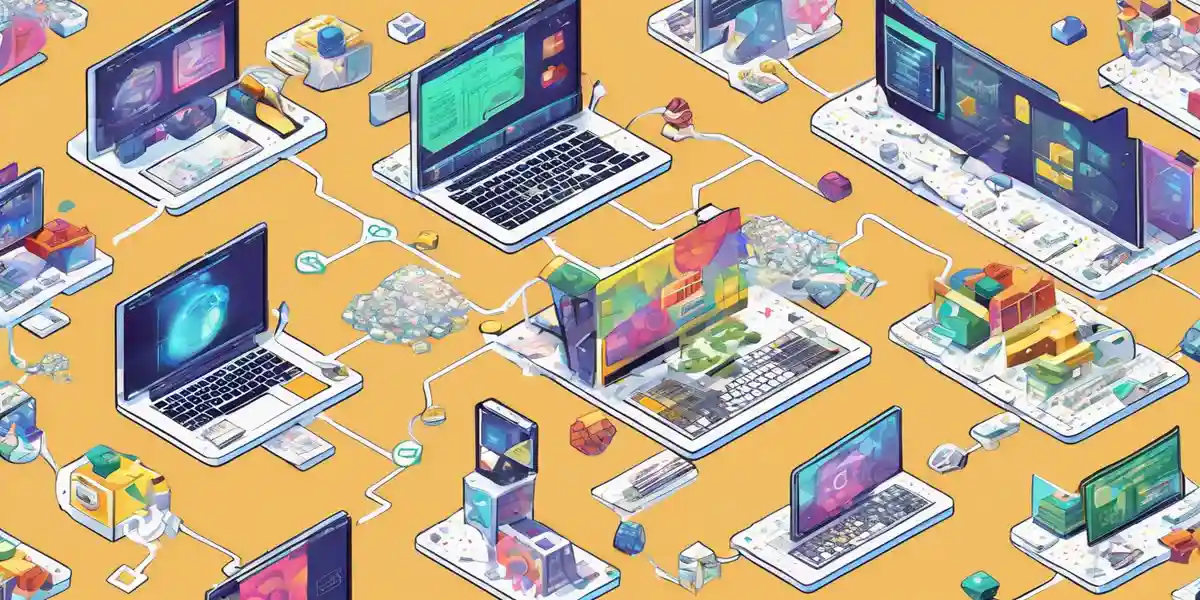
In DeFi (decentralized finance), many apps are designed to snap together like “money Legos.” This is called composability: instead of being stuck inside one platform, the same assets can often be used across multiple tools—lending, trading, pooling, and more—because they run on shared blockchain infrastructure (a public digital ledger where transactions are recorded).
According to the paper “Measuring Asset Composability as a Proxy for DeFi Integration”, a key real-world pattern in Ethereum-based DeFi is that people deposit “liquidity shares” (claims on pooled assets) across multiple applications. The researchers describe this as being akin to rehypothecation—a finance term meaning the same underlying collateral gets reused in more than one place. For art lovers and creators, this matters because it opens up new ways to assemble funding without asking a bank, label, gallery, or grant committee for permission.
In traditional art funding, each piece of the process is often siloed: one place for donations, another for loans, another for distribution and royalties—each with its own rules and approvals. With composable DeFi, funding can become modular, where supporters choose the tool that matches their beliefs and risk tolerance.
Here are three concrete “building-block” patterns art communities can use:
The same feature that makes composable funding powerful—reusing claims on assets across apps—can also create a “domino effect.” If one part of the stack breaks (for example, a pool loses value or a lending position is liquidated), the impact can spread to the other connected positions because they’re built on shared collateral and shared state.
That’s not a reason to avoid DeFi-based patronage—it’s a reason to design it with care. Composability is best thought of like a complex stage rig: it enables incredible productions, but you want safety checks, clear load limits, and a plan for what happens if something fails.
Even when the goal is long-term cultural funding, the surrounding token and NFT markets can behave like high-volatility arenas. According to the study “Understanding digital bubbles amidst the COVID-19 pandemic: Evidence from DeFi and NFTs”, researchers analyzed 9 DeFi tokens and 3 NFTs (alongside Bitcoin and Ethereum) and detected several overlapping bubbles, plus distinct DeFi- and NFT-specific bubbles in Summer 2020. The paper also reports that COVID-19 and increased trading volume exacerbate bubble occurrences, and that DeFi and NFT bubbles are less recurrent but have higher magnitudes than general cryptocurrency bubbles.
For art funding, the practical takeaway isn’t “don’t build”—it’s “don’t pretend price is the same thing as patronage.” If an artist’s funding plan depends on selling into a frothy market, a composable setup can help diversify tools (pooling, staged releases, shared treasury management), but it can’t magically eliminate market mood swings.
These examples show how the “stackable” nature of DeFi can map to creative work—without requiring a central decision-maker to approve the entire pipeline:
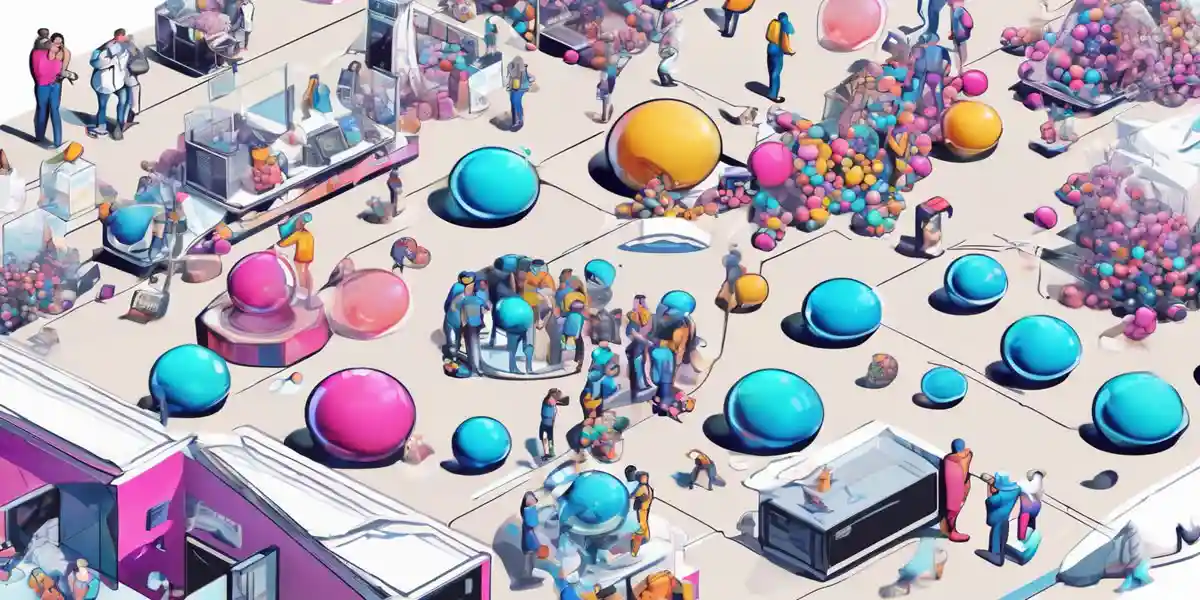
DeFi (decentralized finance) and NFTs (tokens often used to represent unique digital items, like artworks) can help artists raise money without traditional gatekeepers—but they also plug art funding into markets that can swing hard and fast. A “bubble” is when prices surge far beyond what the market can reasonably support, then crash. In an arts context, that can translate into: a creator’s fundraising token spiking on hype, collectors overpaying during a frenzy, and then a painful drop that harms both the artist’s income stability and the community’s trust.
Evidence that these boom–bust cycles can be especially intense in DeFi- and NFT-adjacent assets comes from the study “Understanding digital bubbles amidst the COVID-19 pandemic: Evidence from DeFi and NFTs”. The researchers analyzed 9 DeFi tokens, 3 NFTs, plus Bitcoin and Ethereum, and detected several overlapping bubbles across these cryptoassets. Importantly for art lovers, they also found distinct DeFi- and NFT-specific bubbles in Summer 2020, suggesting there are “native” drivers in these markets—separate from the usual Bitcoin/Ethereum cycles—that can create sudden and dramatic price run-ups and reversals.
For creators, the practical takeaway from “Understanding digital bubbles amidst the COVID-19 pandemic: Evidence from DeFi and NFTs” is not “avoid DeFi/NFTs,” but “treat funding raised through these markets as potentially volatile—even when the art itself is timeless.” The paper reports that DeFi and NFT bubbles were less recurrent but had higher magnitudes than general cryptocurrency bubbles during the period studied. In plain terms: the wild spikes may happen less often, but when they do happen, they can be bigger.
That has direct implications for gatekeeper-free financing models:
Example 1: The NFT drop during a hype wave. Imagine a digital artist releases a limited NFT series while the broader NFT market is caught in a Summer-2020-style NFT-specific bubble (as detected in “Understanding digital bubbles amidst the COVID-19 pandemic: Evidence from DeFi and NFTs”). Prices can jump quickly, and the artist may be tempted to anchor future plans—renting a studio, committing to a larger production—on those peak sale prices. If the bubble reverses, the next release might bring in far less, even if the art quality improves.
Example 2: A creator token used for patron perks. A music collective might issue a token that grants supporters access to behind-the-scenes content or early tickets. If the token trades in DeFi markets, it can be swept into a DeFi-specific bubble (also detected in Summer 2020 by the same study). The token’s rising price can attract speculators who don’t care about the music—raising short-term funds, but also raising the odds of a sharp bust that leaves true fans holding losses and the community dealing with backlash.
Example 3: Collateral and cascading sell pressure via DeFi “stacking.” DeFi is designed to be interoperable—apps can plug into each other like Lego bricks. The paper “Measuring Asset Composability as a Proxy for DeFi Integration” describes how DeFi users deposit “liquidity shares” (claims on pooled assets) across multiple applications, akin to rehypothecation (re-using the same collateral in multiple places). If an art-adjacent token or NFT-backed position is used inside these stacked strategies, a price dip can trigger forced selling or liquidations in more than one place—turning a normal downturn into a sharper drop that hits creators and collectors fast.
The study “Understanding digital bubbles amidst the COVID-19 pandemic: Evidence from DeFi and NFTs” finds that Total Value Locked (TVL) is negatively associated with cryptoasset bubbles. TVL is a commonly used DeFi metric that roughly reflects how much value is deposited into DeFi protocols (for example, into lending pools or liquidity pools). A negative association suggests TVL may function as a practical “temperature check” for bubble risk—when TVL is weaker (or not keeping up), bubble conditions may be more likely.
For creators and collectors financing art through DeFi/NFT markets, this implies a more disciplined approach to fundraising and buying:
This research doesn’t negate the core promise of DeFi for art lovers—funding creative work through open networks rather than closed committees. It does, however, clarify the tradeoff: removing gatekeepers can also remove some stabilizers (like slower pricing, curated sales calendars, and friction that limits churn). The COVID-era evidence from “Understanding digital bubbles amidst the COVID-19 pandemic: Evidence from DeFi and NFTs” signals that arts-adjacent crypto markets can experience sharp, high-magnitude boom–bust dynamics—so artists and patrons need to build funding plans that can survive a fast reversal, not just celebrate the upside when attention spikes.
DeFi isn’t “making art valuable” for us—it’s changing who gets to participate in funding it. By moving financial tools onto open, programmable networks, digital transformation is lowering the friction that traditionally kept creative projects behind closed doors: access limited by geography, deal flow controlled by insiders, and timelines slowed by paperwork and middlemen. In that sense, DeFi can act like a new kind of patronage—one that’s global, faster to coordinate, and open to more people than the old gatekeeper model.
At the same time, DeFi doesn’t erase the fundamentals that have always mattered in art: real demand, strong storytelling, consistent craft, and trust. Reputation still has to be earned, communities still have to be built, and collectors still have to believe the work will matter tomorrow—not just trade well today. And the research on “digital bubbles” is a reminder that arts-adjacent crypto markets (including DeFi tokens and NFTs) can experience dramatic boom–bust cycles, especially under unusual conditions like the COVID-19 era, when trading intensity and speculation can surge. In other words: the rails may be new, but hype is still hype.
There’s also a structural risk that comes with DeFi’s superpower—composability. When protocols plug into each other like building blocks, exposures can become interconnected in ways that resemble rehypothecation in traditional finance. That can amplify complexity and contagion: a problem in one place can travel faster and farther than most participants expect. For creators and collectors, this doesn’t mean “stay away”—it means understand what you’re standing on, and don’t mistake technical novelty for safety.
Key takeaways:
1) DeFi expands access and speed—more people can support art across borders, with fewer traditional gatekeepers and faster coordination.
2) DeFi doesn’t replace trust—art still runs on credibility, community, and long-term cultural value, not just liquidity and trends.
3) Markets can bubble—and unwind—NFT and DeFi ecosystems can swing hard, and interconnected DeFi integrations can magnify the fallout when sentiment flips.
If you love art and want to support creators without waiting for institutions to say “yes,” your next step is simple: start small, choose projects you genuinely believe in, and treat DeFi tools like power tools—useful, but requiring care. Follow creators who are transparent, learn the basics of the platforms you use, and prioritize sustainable patronage over short-term hype. That’s how digital transformation can help creative expression get funded without gatekeepers—by turning more of us into informed, responsible patrons.
Get notified about new articles, coffee tips, and Web3 insights.
This site participates in affiliate programs and may earn a commission when a link is clicked and a purchase is made. The site is not responsible for any issues or troubles related to the products or services purchased through the use of this site.

DO&COFFEE loves coffee and technology, exploring the potential of NFTs and blockchain. Learn more →
DO&COFFEE loves coffee and technology, exploring the potential of NFTs and blockchain. Learn more →