wellness
2024/09/02
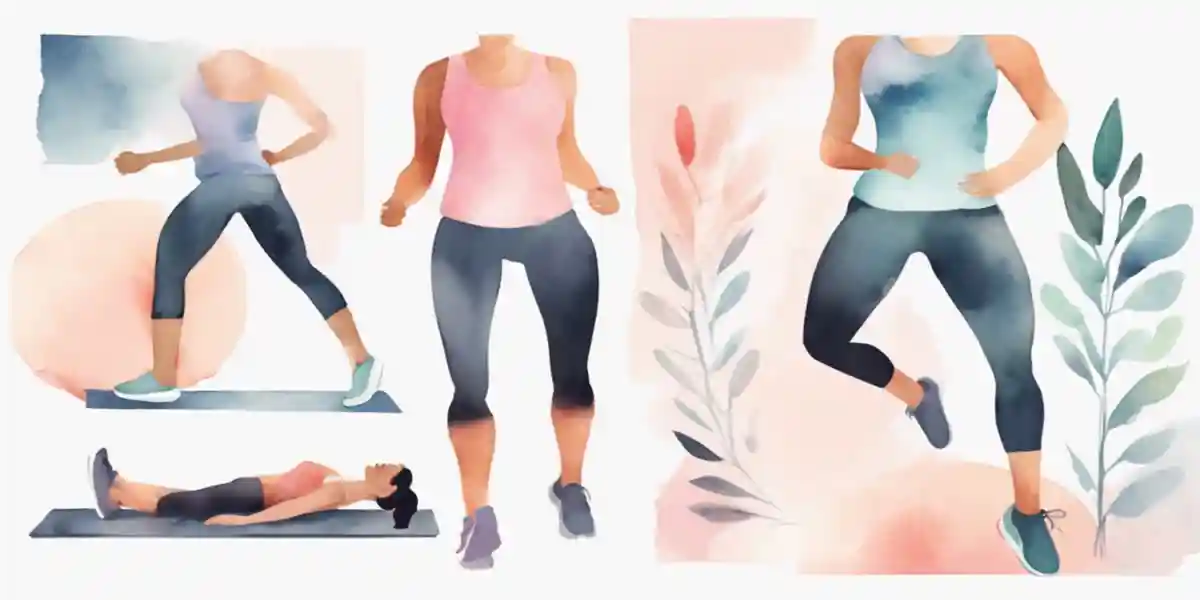
Have you ever felt overwhelmed by the idea of hitting the gym, only to be deterred by costly memberships and time-consuming commutes? You’re not alone. In a world where busy schedules and financial constraints often sideline our fitness goals, the concept of "Functional Fitness at Home" emerges as a refreshing alternative. This approach empowers you to build muscle and shed unwanted weight using everyday items and bodyweight exercises—all from the comfort of your own home.
Imagine transforming your living room into a personal gym with just a sturdy chair for tricep dips or a backpack filled with books as a makeshift weight for squats. You don’t need fancy equipment to achieve your fitness goals; your body can be the ultimate resistance tool. By focusing on compound movements that engage multiple muscle groups, you can maximize your workout efficiency and effectiveness.
What makes this approach even more appealing is its accessibility and adaptability. Functional fitness encourages creativity, allowing you to tailor your workout regime to fit your lifestyle, regardless of whether you’re a beginner or a seasoned athlete. Studies have shown that resistance training can lead to significant improvements in body composition and functional fitness, making it an essential component of a healthy lifestyle. This blog post will guide you through effective at-home workouts designed to build muscle and lose weight, while also providing you with practical tips to create a sustainable workout routine.
By the end of this journey, you won’t just learn how to achieve your fitness goals at home; you'll be inspired to take that crucial first step toward a healthier, stronger you—all without the confines of a gym.
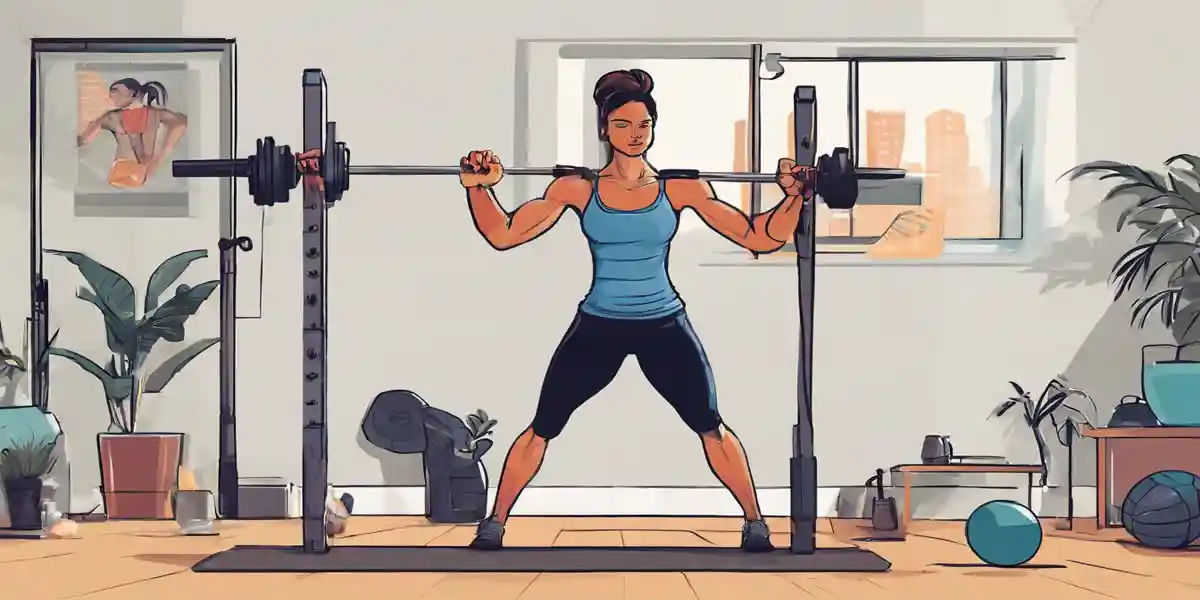
In a world where gym memberships can be costly and time-consuming, the idea of Functional Fitness at Home emerges as a compelling alternative for those looking to build muscle and lose weight without stepping foot in a gym. This concept revolves around utilizing everyday items and bodyweight exercises to create an effective workout regime that fits seamlessly into our busy lives.
Imagine transforming your living room into a personal gym with items you already have at home. A sturdy chair can become a bench for tricep dips, a backpack filled with books can serve as a makeshift weight for squats, and your own body weight can be the ultimate resistance tool for push-ups, planks, and lunges. By focusing on compound movements that engage multiple muscle groups, you can maximize your workout efficiency. For instance, a combination of squats and shoulder presses using your backpack not only builds strength but also enhances coordination and stability.
The beauty of functional fitness lies not just in its adaptability but also in its accessibility. Recent studies underscore the effectiveness of resistance training in improving physical health. A study assessing the impact of a 24-week resistance exercise training program found significant improvements in functional fitness and muscle strength among participants, particularly benefiting obese older women. This highlights that you don’t need a gym to achieve real results—just commitment and a willingness to utilize your environment creatively.
Functional fitness encourages creativity and resourcefulness, empowering individuals to take charge of their fitness journey without the intimidation often found in a gym setting. This approach can cater to all fitness levels, with modifications available for beginners and advanced options for more seasoned athletes. For example, if you're new to lunges, you can start with a static lunge using a wall for support, gradually progressing to walking lunges as your strength improves.
Consider Jane, a busy professional who found herself struggling to maintain her fitness routine amidst her hectic schedule. She started incorporating a series of bodyweight exercises into her morning routine, using her kitchen counter for push-ups and a sturdy chair for tricep dips. Within weeks, she noticed increased muscle definition and a boost in energy levels, proving that effective workouts can be seamlessly integrated into daily life.
Similarly, a randomized trial involving 168 older women demonstrated that chair-based, low-load resistance training using elastic bands significantly improved functional fitness and metabolic health. Participants showed enhancements in crucial fitness measures, such as the 30-second chair stand and arm curl tests. This not only underscores the viability of at-home workouts but also emphasizes that you can find success at any age or fitness level.
In this blog, we'll explore specific workout routines, delve into the multifaceted benefits of functional fitness, and share inspiring success stories from individuals who have embraced this lifestyle. By engaging with this content, you are taking the first step towards realizing that you can achieve your fitness goals at home, paving the way for a healthier, stronger self, all without the confines of a gym.
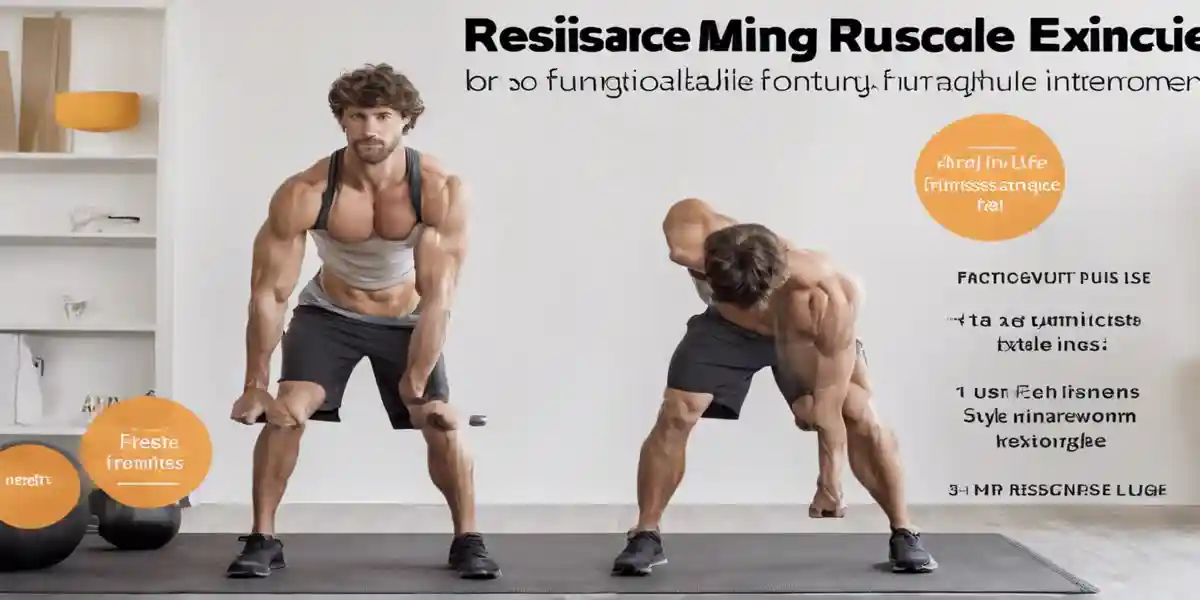
In today’s fast-paced world, the idea of building muscle from the comfort of your home has become more than just a convenience; it’s an empowering reality. By utilizing everyday items around your house and engaging in bodyweight exercises, you can craft a robust workout regimen that effectively builds muscle without ever stepping into a gym.
Functional fitness emphasizes movements that mimic real-life activities, making your workouts not only relevant but also practical. Imagine transforming your living room into a makeshift gym: a sturdy chair can serve as a bench for tricep dips, while a backpack filled with books becomes a weight for squats. This creative use of household items not only saves money but also encourages versatility in your workouts.
Bodyweight exercises are a cornerstone of effective at-home muscle-building routines. These exercises leverage your own weight as resistance, allowing you to build strength and endurance without any equipment at all. Here are some essential bodyweight exercises to include in your regimen:
Recent studies highlight the significant benefits of resistance training, even in a home setting. For instance, a 24-week resistance training program showed marked improvements in muscle strength and functional fitness among participants. This suggests that even low-load resistance exercises can foster significant muscle gains and improve overall health.
Additionally, elastic bands can be an excellent addition for those seeking to up their game. A study on chair-based resistance training using elastic bands demonstrated substantial improvements in fitness measures and metabolic health among older women. This indicates that resistance training, even at lower intensities, can yield formidable results.
To help you get started, here’s a simple yet effective at-home workout plan that you can follow:
The beauty of functional fitness is its adaptability. Whether you’re a beginner or an experienced athlete, there are always modifications available. Beginners can start with easier variations of exercises and gradually increase intensity as they gain strength and confidence. For instance, if push-ups on the floor are too challenging, consider starting with wall push-ups or knee push-ups.
For those more seasoned, you can increase the challenge with advanced variations or by incorporating household items like a backpack for weighted squats or a sturdy table for elevated push-ups. This flexibility ensures that everyone can find a routine that suits their personal fitness level and goals.
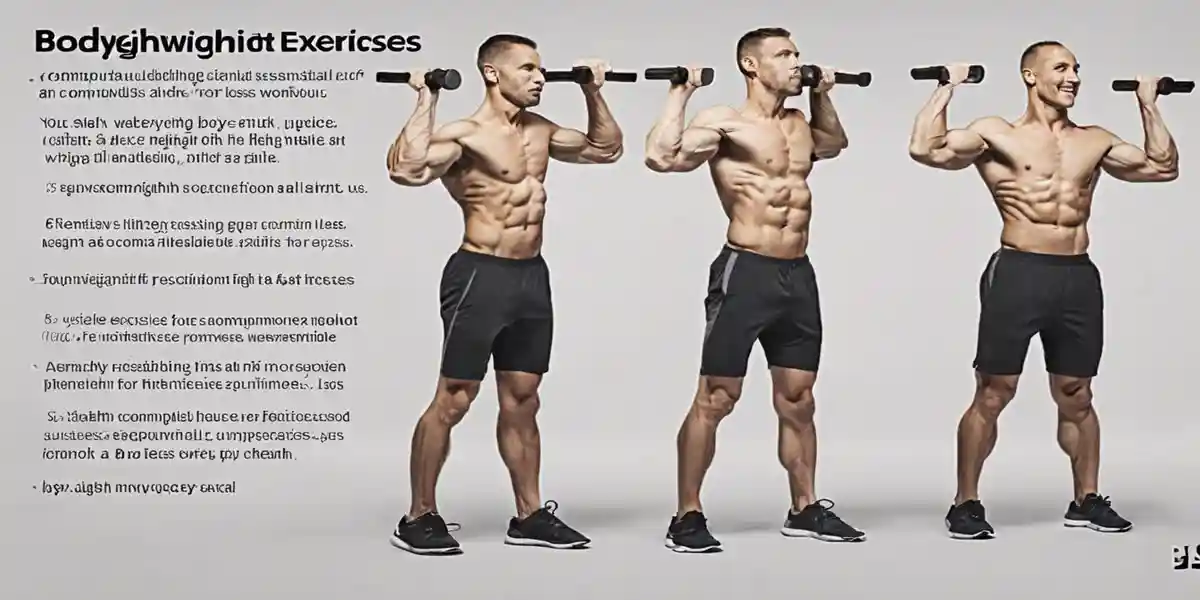
Bodyweight exercises form the backbone of any effective at-home workout routine, allowing you to build muscle and lose weight using nothing but your own body. They are not only convenient but also incredibly effective, making them an excellent choice for anyone looking to transform their fitness journey without a gym.
Why choose bodyweight exercises? First, they leverage the weight of your own body to create resistance, which is essential for building strength. By focusing on compound movements—exercises that work multiple muscle groups at once—you maximize your efficiency and effectiveness. For example, push-ups engage your chest, shoulders, triceps, and core, making them a powerhouse exercise for overall strength.
Here are some effective bodyweight exercises you can incorporate into your routine:
Research backs up the efficacy of bodyweight and resistance training. A study highlighted the significant improvements in functional fitness and muscle strength among participants who engaged in a 24-week resistance exercise program. This demonstrates that even without traditional gym equipment, effective training can lead to enhanced physical health and body composition.
Another study focusing on low-load resistance training using elastic bands found improvements in fitness measures and metabolic health among older women. This suggests that bodyweight exercises can be safely adapted for various populations, making them an inclusive option for anyone seeking to improve their fitness.
One of the most appealing aspects of bodyweight exercises is their accessibility. You don’t need expensive gym equipment or a vast space; your living room can easily transform into a workout zone. Additionally, these exercises can be modified to suit different fitness levels. For instance, beginners may start with wall push-ups, while advanced practitioners can challenge themselves with explosive variations.
Moreover, creativity plays a significant role in functional fitness. As mentioned earlier, a backpack filled with books can double as a weight for squats or lunges. This not only makes workouts more engaging but also encourages you to think outside the box when it comes to your fitness regimen.
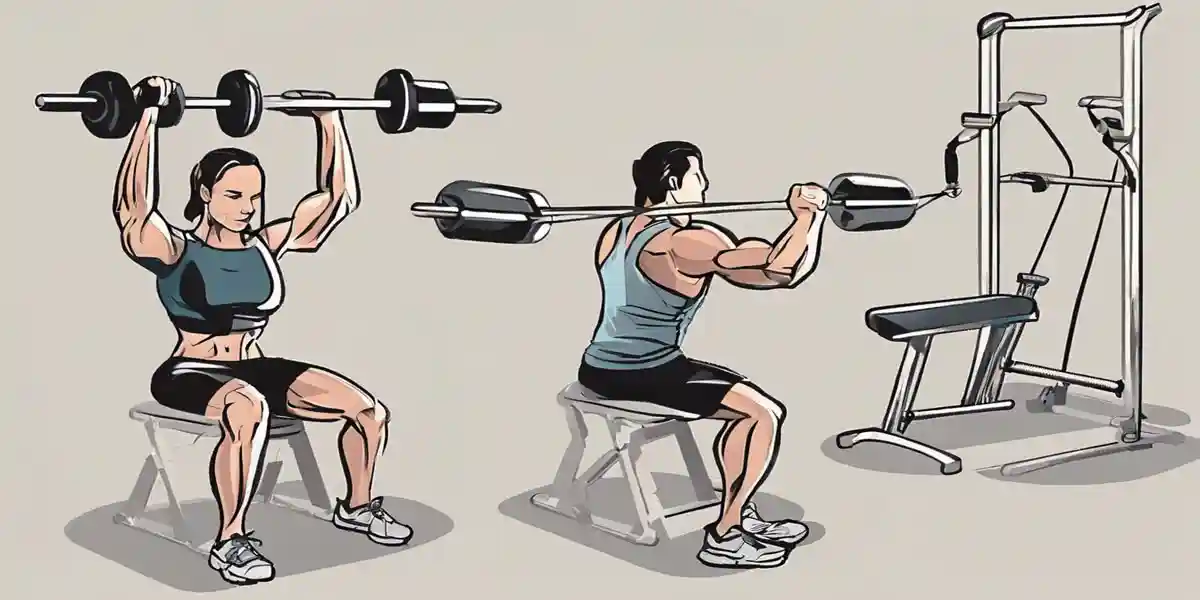
Incorporating resistance training into your home workout regime doesn’t have to be complicated or expensive. By using everyday household items, you can create an effective training program that challenges your muscles and promotes weight loss. The beauty of this approach lies in its simplicity and accessibility, catering to all fitness levels.
Imagine looking around your home and seeing potential workout equipment everywhere. A sturdy chair can be transformed into a bench for tricep dips, while a backpack filled with books can serve as a makeshift weight for squats. This creative utilization of household items not only saves you money but also makes working out feel less daunting.
Research indicates that resistance training is crucial for improving body composition, strength, and overall physical health. A 24-week resistance exercise program demonstrated significant improvements in functional fitness and muscle strength among participants, particularly highlighting its benefits for older adults. By using household items for resistance training, you can reap similar rewards, enhancing not just muscle growth but also bone density and functional fitness.
To maximize your resistance training with household items, consider the following:
Designing a balanced workout routine that incorporates resistance training with household items can be simple. Aim for two to three sessions per week, focusing on different muscle groups each day. For instance, you might dedicate one day to upper body exercises using a backpack and another for lower body workouts with chair dips and squats.
By harnessing the power of functional fitness and resistance training at home, you can effectively build muscle and lose weight without ever stepping foot in a gym. The adaptability and creativity of using household items make this approach not only feasible but also enjoyable.
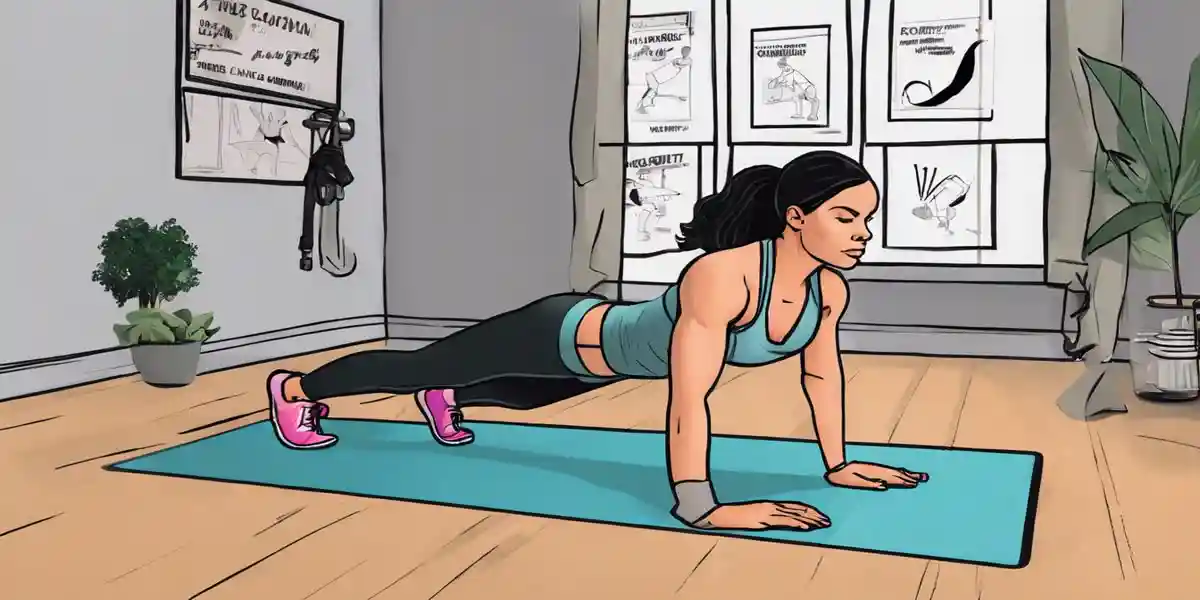
In our fast-paced lives, the thought of going to the gym can often feel like a daunting task. However, what if you could shed those extra pounds right from the comfort of your home? At-home workouts designed for weight loss are not only feasible but can also be highly effective. By leveraging bodyweight exercises and common household items, you can create a robust workout regimen that helps you reach your fitness goals.
Functional fitness is a concept that emphasizes exercises mimicking everyday activities. This approach is particularly advantageous for weight loss because it incorporates compound movements that engage multiple muscle groups, thereby boosting your metabolism. For example, consider exercises like squats, lunges, and push-ups. Not only do these movements help in building strength, but they also elevate your heart rate, making them excellent for burning calories.
One of the most appealing aspects of at-home workouts is the ability to utilize everyday items as workout tools. A sturdy chair can serve as a prop for tricep dips or step-ups, while a filled backpack can act as a weight for squats or lunges. These creative alternatives not only make your workouts more interesting but also provide resistance training, which is essential for building muscle and enhancing body composition.
To get you started, here’s a simple yet effective workout routine that combines bodyweight exercises with the use of household items:
The benefits of incorporating resistance training into your routine are well-documented. A study examining a 24-week resistance exercise program among obese older women found significant improvements in body composition and functional fitness. Participants who engaged in resistance training showed enhanced muscle strength and overall physical health compared to those who did not, underscoring the effectiveness of such workouts for weight loss.
Resistance bands are another excellent tool for at-home workouts, specifically for older adults or beginners. A randomized trial investigating chair-based, low-load resistance training using elastic bands demonstrated notable improvements in functional fitness and metabolic health. Participants who utilized resistance bands showed enhancements in strength and mobility, making them a safe and effective option for those looking to lose weight at home.
While the idea of working out at home is appealing, staying consistent can be a challenge. To counter this, consider setting up a designated workout space in your home to create a motivating environment. You can also schedule your workouts as you would any important appointment, making it a non-negotiable part of your day. Engaging in virtual workout classes or joining online fitness communities can also provide the accountability and inspiration that many need to stay on track.
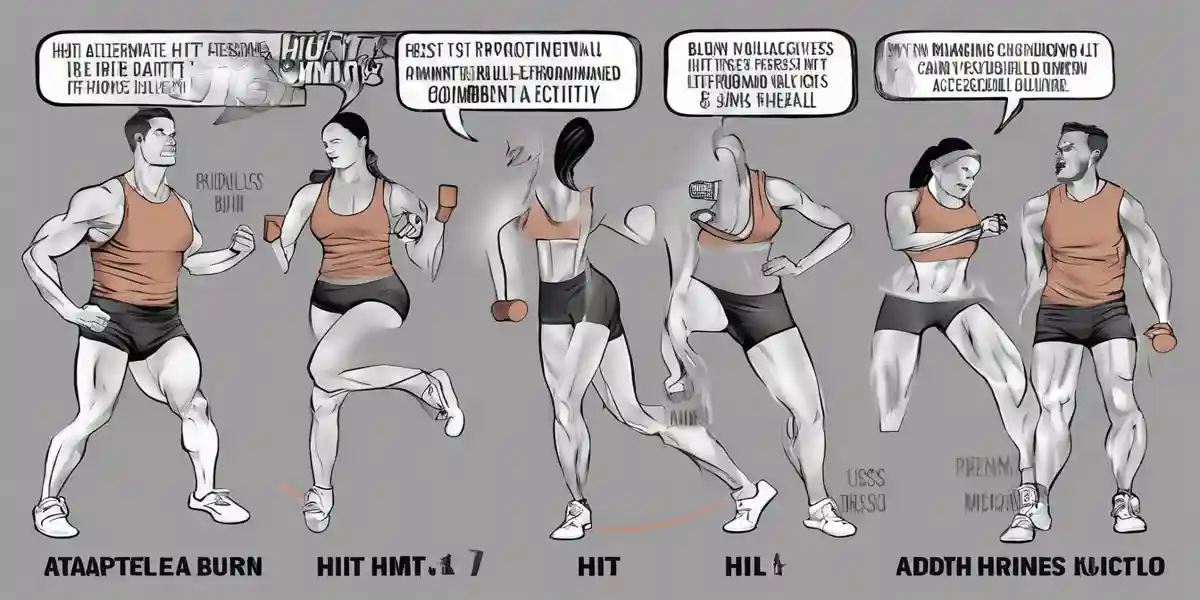
High-Intensity Interval Training, or HIIT, is an incredibly effective workout strategy that combines short bursts of intense activity with periods of rest or lower-intensity exercise. This method not only maximizes calorie burn but also enhances muscle building—a perfect blend for those looking to transform their body at home.
At its core, HIIT involves alternating between high-intensity exercises, like sprinting or jumping jacks, and brief recovery periods. This approach elevates your heart rate, leading to improved cardiovascular fitness and metabolic health. Research shows that HIIT can lead to significant weight loss and muscle gain, making it a top choice for individuals who may not have access to a gym or expensive equipment.
The science behind HIIT is straightforward yet compelling. During a high-intensity interval, your body taps into its anaerobic energy systems, leading to an oxygen deficit. This not only boosts your calorie expenditure during the workout but also triggers the afterburn effect, known scientifically as excess post-exercise oxygen consumption (EPOC). In simple terms, you continue to burn calories long after your workout has ended.
Creating a HIIT routine in the comfort of your home is simple and requires little to no equipment. For instance, you might structure a 20-minute HIIT session as follows:
HIIT's efficiency comes from its ability to target multiple muscle groups while also boosting cardiovascular health. In a study examining the impact of resistance training on functional fitness, significant improvements were noted in participants who engaged in consistent exercise routines. This is echoed in HIIT workouts, where compound movements engage several muscles simultaneously, promoting greater gains in strength and endurance.
Adopting a HIIT regimen doesn’t have to be daunting. Start with two to three sessions a week, gradually increasing the intensity as you become more comfortable. You can also mix in resistance exercises, like push-ups or lunges, to further enhance your muscle-building efforts. For instance, a HIIT workout might include alternating between squat jumps and push-ups for a holistic approach to fitness.
One of the most appealing aspects of HIIT is its adaptability. It can be modified to suit all fitness levels, from beginners to advanced athletes. If you're just starting, you might opt for lower-impact exercises, such as step-ups or modified push-ups, ensuring that you can still engage in high-intensity intervals without risking injury.
Cardio workouts are a cornerstone of any effective fitness regime, especially for those looking to lose weight and improve cardiovascular health. The good news is that you don't need a gym or fancy equipment to get your heart pumping. In fact, there are numerous bodyweight cardio exercises that can be done right in your living room.
Bodyweight cardio exercises utilize your own weight as resistance, making them an accessible option for everyone. The beauty of these workouts lies in their versatility; they can be easily adjusted to fit various fitness levels. For instance, jumping jacks, high knees, and mountain climbers can all be modified to increase or decrease intensity. Consider starting with a simple 20-second sprint of high knees followed by a 10-second rest, gradually building endurance over time.
Creating a cardio circuit at home can be as simple as combining a few key exercises. Here’s a sample workout you can follow:
Repeat this circuit 3-5 times, depending on your fitness level. This approach not only boosts your heart rate but also engages multiple muscle groups, maximizing calorie burn.
As mentioned in the original draft, functional fitness emphasizes natural movements that mimic daily activities. By integrating functional movements into your cardio routine, you can enhance your overall fitness. For example, consider including step-ups using a sturdy chair or a low table. Not only does this elevate your heart rate, but it also strengthens your legs and improves balance.
The concept of the 7-Minute Workout has gained traction, especially for individuals pressed for time. This high-intensity circuit involves a series of 12 exercises done for 30 seconds each, with 10 seconds of rest in between. The exercises include:
The 7-Minute Workout is not just a fad; studies have shown that high-intensity interval training (HIIT) can be incredibly effective for fat loss and improving cardiovascular fitness, even in short bursts of activity. For example, a study conducted over a 12-week period demonstrated significant improvements in metabolic health through consistent participation in a structured workout program, emphasizing functional movements.
Engaging in cardio workouts at home not only saves time and money but also allows for a more personalized approach to fitness. You can choose the time of day that works best for you, create an environment that feels comfortable, and switch up your routine to keep things fresh. Moreover, studies indicate that consistent participation in bodyweight exercises can lead to improvements in body composition and overall functional fitness, particularly in older adults.
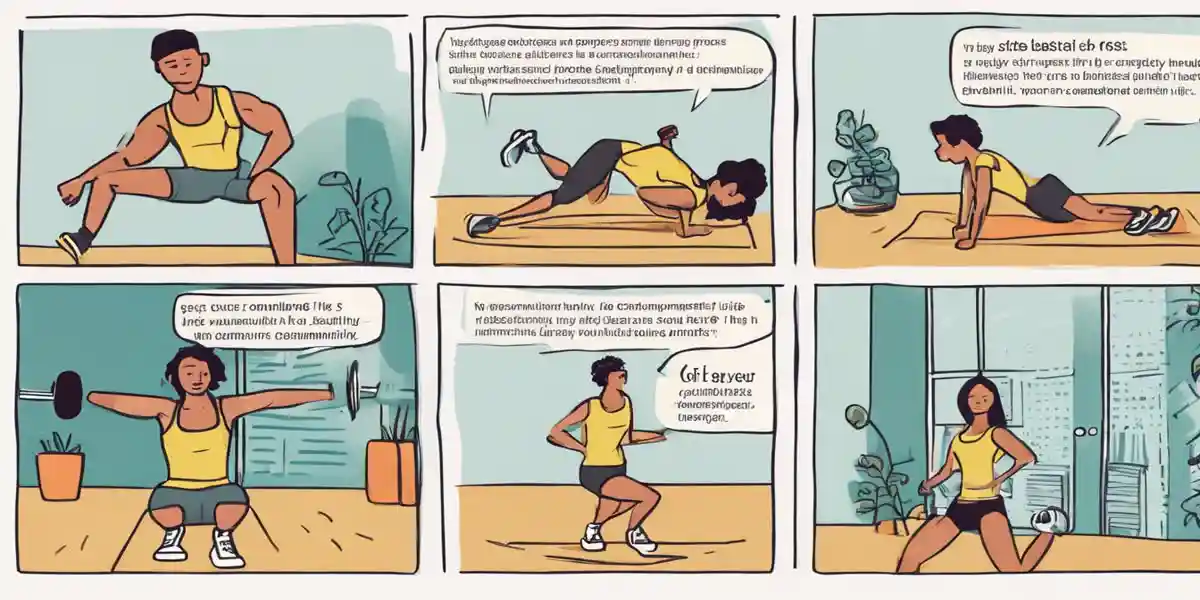
Establishing a sustainable workout routine is essential for anyone looking to build muscle and lose weight at home. The key lies in developing a plan that is not only effective but also adaptable to your lifestyle, ensuring that you remain engaged and motivated over the long term.
Before you jump into routines, take a moment to define your fitness goals. Are you aiming to lose weight, build muscle, or improve overall fitness? Setting specific, measurable, achievable, relevant, and time-bound (SMART) goals can significantly increase your likelihood of success. For instance, instead of saying, "I want to get fit," consider a more specific goal like, "I want to perform 10 push-ups in a row without stopping by the end of three months." This clarity will guide your routine and keep you focused.
The beauty of functional fitness is its focus on movements that mimic everyday activities, which makes it both practical and effective. By incorporating exercises that engage multiple muscle groups, you can maximize the benefits of your workouts. For example, squats not only strengthen your legs but also enhance your core stability and balance. A study involving older women found significant improvements in body composition and functional fitness after engaging in a resistance training program that emphasized functional movements. This highlights how focusing on real-world applications can yield tangible results.
Your home is a treasure trove of workout equipment waiting to be discovered. Sturdy chairs can serve as benches for tricep dips, while a heavy backpack filled with books can act as a weight for squats. Consider using household items creatively—think about how a towel could be used for resistance during core exercises or how a wall can support your balance during single-leg raises. This not only makes your workouts more accessible but also encourages a sense of resourcefulness that can keep you engaged.
Consistency is the bedrock of any successful workout routine. Choose specific days and times to exercise, treating them as appointments you cannot miss. For example, committing to a 30-minute session every Monday, Wednesday, and Friday at 7 PM can create a rhythm that becomes part of your lifestyle. If you're unsure how to fit it in, consider breaking your sessions into smaller chunks throughout the day—three 10-minute workouts can be just as effective as one longer session, especially with busy schedules.
One of the advantages of working out at home is the flexibility it offers. This allows you to listen to your body and adjust your routine accordingly. If you're feeling fatigued, it might be wise to swap a high-intensity workout for a gentler yoga session. Similarly, if you find a particular exercise too challenging, don't hesitate to modify it. For instance, if standard push-ups are too difficult, start with knee push-ups or incline push-ups against a wall. The goal is to progress at a pace that feels comfortable yet challenging.
Keeping a record of your workouts can provide motivation and a sense of accomplishment. Consider using a fitness app or a simple notebook to log your exercises, sets, and repetitions. You can also note how you feel after each session, tracking improvements in strength or endurance over time. For instance, if you started with five bodyweight squats and can now complete twenty, celebrate that milestone! This practice not only reinforces your commitment but also helps keep your goals in sight.
Even when working out at home, you don't have to go it alone. Consider finding an online community or workout buddy to share your journey with. Platforms like social media or fitness apps can connect you with individuals who share similar goals, providing encouragement and accountability. For example, a group of friends could establish a weekly challenge, such as "10,000 steps a day," fostering a sense of camaraderie and motivation.
Life is unpredictable, and your workout routine may need to adapt to changing circumstances. Whether it's a busy week at work, family obligations, or unexpected events, find ways to modify your routine without losing momentum. On days when time is limited, consider shorter, high-intensity workouts that can be more effective than longer, traditional sessions. The key is to remain flexible and committed to your overall goals, finding creative solutions that keep you moving forward.
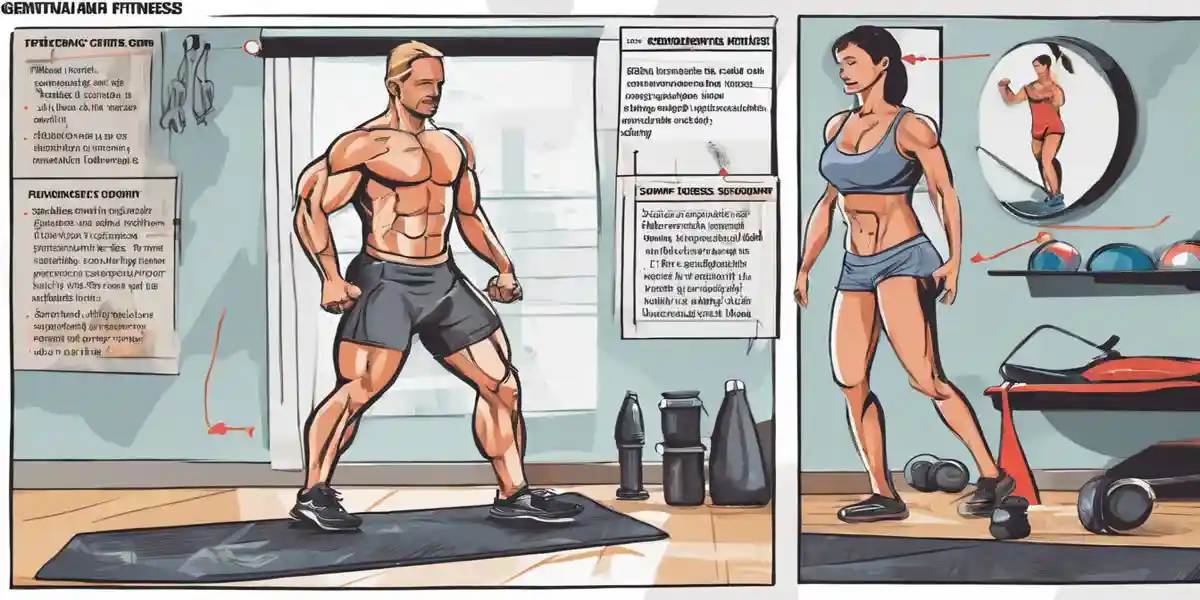
In a world where gym memberships can be costly and time-consuming, the idea of "Functional Fitness at Home" emerges as a compelling alternative for those looking to build muscle and lose weight without stepping foot in a gym. This concept revolves around utilizing everyday items and bodyweight exercises to create an effective workout regime that fits seamlessly into our busy lives.
Imagine transforming your living room into a personal gym with items you already have at home. A sturdy chair can become a bench for tricep dips, a backpack filled with books can serve as a makeshift weight for squats, and your own body weight can be the ultimate resistance tool for push-ups, planks, and lunges. Here are some practical examples:
Functional fitness emphasizes exercises that mimic everyday activities, making it not only a practical approach to working out but also a scientifically backed one. A study assessing a 24-week resistance training program among obese older women revealed significant improvements in functional fitness and muscle strength. Participants who engaged in a structured resistance training regimen saw enhancements in their ability to perform daily tasks, highlighting the effectiveness of strength training.
Moreover, chair-based, low-load resistance training using elastic bands has shown remarkable results in improving functional fitness measures, especially among older women. This type of training resulted in notable gains in performance metrics, such as the 30-second chair stand and arm curl, which are vital for maintaining independence in daily activities.
By focusing on compound movements that engage multiple muscle groups, you can maximize your workout efficiency. For instance, exercises like squats and push-ups stimulate the legs, core, and upper body simultaneously. This multi-tasking not only saves time but also enhances calorie burning and muscle engagement. Here are a few compound movements to consider:
The beauty of functional fitness lies not just in its adaptability but also in its accessibility. It encourages creativity and resourcefulness, empowering individuals to take charge of their fitness journey without the intimidation often found in a gym setting. This approach can cater to all fitness levels, with modifications available for beginners and advanced options for more seasoned athletes.
For example, if you're new to working out, you might start with bodyweight squats or wall push-ups, gradually increasing the difficulty as your strength builds. On the other hand, seasoned athletes can challenge themselves by increasing the number of repetitions, adding weights, or performing advanced variations of each exercise.
In conclusion, the journey to transform your body through effective at-home workouts is not only achievable but also empowering. Throughout this blog post, we've explored various strategies to build muscle and lose weight without the need for a gym. From leveraging everyday items for resistance training to incorporating bodyweight exercises, the possibilities are endless.
We emphasized the significance of functional fitness, which not only enhances strength and endurance but also mimics the movements we perform in our daily lives. By utilizing bodyweight exercises and household items like backpacks and chairs, you can create a diverse and effective workout regimen tailored to your needs.
Moreover, we discussed the powerful role of High-Intensity Interval Training (HIIT) and bodyweight cardio workouts in maximizing calorie burn and improving cardiovascular health—all from the comfort of your home. The flexibility in these workouts allows you to adapt your routine to fit any schedule, making fitness more accessible and sustainable.
Finally, establishing a consistent routine, setting clear goals, and tracking your progress are crucial steps toward achieving long-term success. Remember, every small step you take in your fitness journey counts, and embracing the process is key to maintaining motivation.
As you reflect on your fitness journey, consider this: What barriers have you placed in front of yourself that can be removed with a little creativity and commitment? Take the first step today—transform your living space into a personal gym and start your journey toward a healthier, stronger you. The power to change is in your hands, and the best time to begin is now.

Get notified about new articles, coffee tips, and Web3 insights.
This site participates in affiliate programs and may earn a commission when a link is clicked and a purchase is made. The site is not responsible for any issues or troubles related to the products or services purchased through the use of this site.

DO&COFFEE loves coffee and technology, exploring the potential of NFTs and blockchain. Learn more →
DO&COFFEE loves coffee and technology, exploring the potential of NFTs and blockchain. Learn more →