art
2024/08/13

Welcome to the frontier of creativity, where the digital canvas meets the dynamic world of performance art. In the Web3 era, we are witnessing a remarkable evolution in how art is created, shared, and experienced. This blog post delves into the innovative concept of "Immersive Performance Pods," virtual spaces where artists can intertwine their performances with interactive, immersive landscapes. Imagine stepping into a vibrant 3D world that morphs in real-time based on the performers' actions—an experience that not only entertains but also invites audience participation, making each encounter unique.
As we explore the transformative power of performance art in this digital age, we'll discuss how blockchain technology enables secure ownership of digital assets, allowing audiences to own exclusive clips, digital artwork, and tokens that unlock behind-the-scenes content. This intersection of art and technology is not just about creating stunning visuals; it's about democratizing the art world, breaking down geographical barriers, and redefining art ownership through NFTs and smart contracts.
Join us as we navigate this exciting landscape of virtual walks, where creativity knows no bounds and the future of performance art is being reshaped. From case studies of notable projects to discussions on the implications for artists and audiences alike, this exploration promises to illuminate the new dimensions of art in the digital realm.
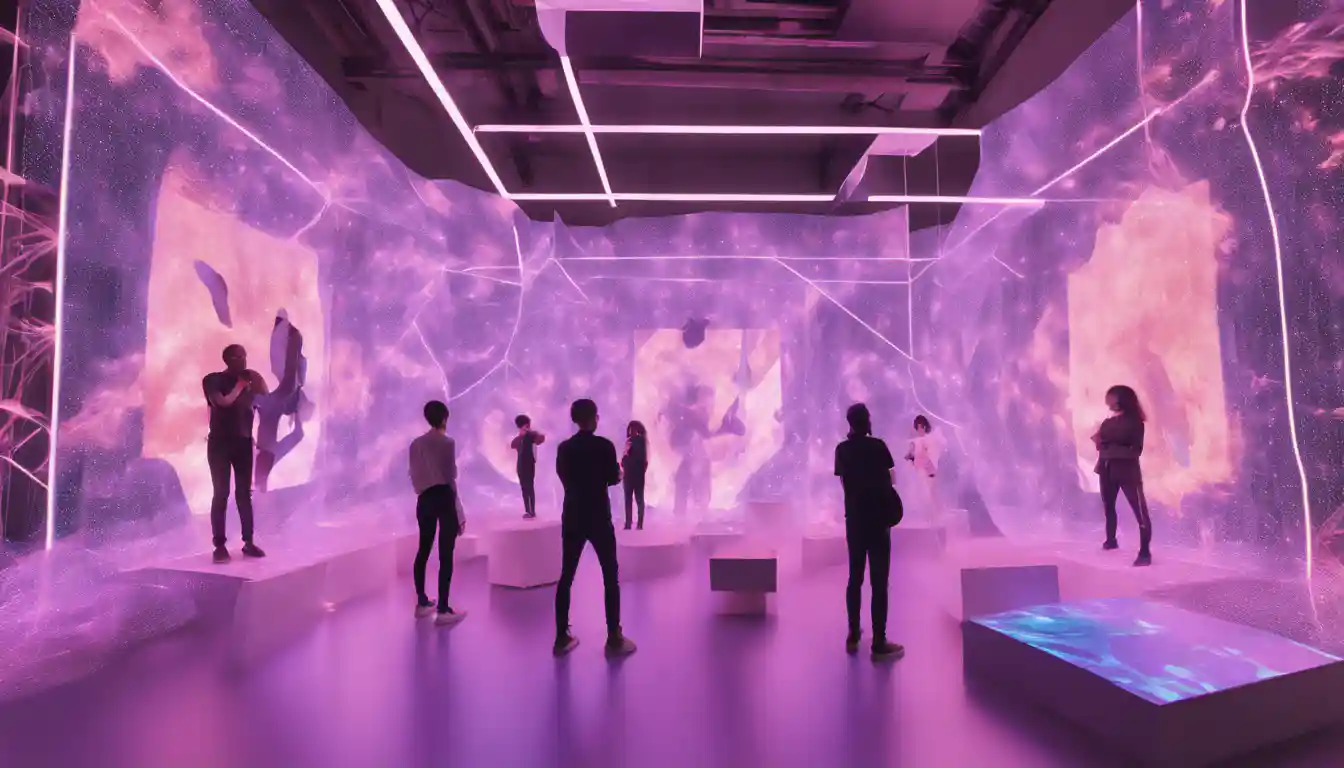
As we step into the Web3 era, the fusion of technology and creativity has birthed a new dimension of performance art, characterized by immersive experiences known as "Immersive Performance Pods." These virtual spaces offer artists the opportunity to craft and present their performances in interactive 3D environments, where audiences can engage in real-time exploration and influence the art they witness.
Imagine entering a digital landscape that morphs based on the actions of performers. Each Immersive Performance Pod can be designed around distinct themes or narratives, allowing for an array of artistic expressions—ranging from dance to theater, and even interactive storytelling. For example, a user stepping into a tranquil meadow might trigger a serene dance performance, while moving into a bustling cityscape might unfold a dramatic street performance. This real-time interaction transforms traditional performance art into a collaborative experience between the artist and the audience.
The rise of blockchain technology, particularly through the use of non-fungible tokens (NFTs), has revolutionized how performance art is valued and owned in the digital space. The ERC721 standard plays a crucial role in ensuring secure ownership verification of digital assets, preventing duplication and unauthorized distribution. This framework not only supports artists in retaining ownership of their work but also enhances collector confidence through transparent ownership records. For instance, audiences can own unique digital assets related to performances—be it exclusive video clips, digital artwork, or virtual tokens that grant backstage access. This ownership model allows for a new monetization strategy where artists can sell tickets or NFT collectibles, thus redefining art ownership in the digital age.
This innovative blend of performance art and virtual exploration democratizes access to the arts, enabling creators to reach global audiences without geographical constraints. The immersive nature of these digital environments breaks down barriers, allowing for diverse cultural expressions that were previously limited to physical spaces. As highlighted in various studies, the NFT market has emerged as a significant cultural phenomenon, reshaping how digital art is perceived and valued. Artists can establish their presence in the digital realm while ensuring fair compensation through blockchain-backed transactions, thereby fostering a thriving ecosystem for creators and audiences alike.
Several pioneering projects exemplify the potential of Immersive Performance Pods. For instance, the virtual reality platform VRChat has enabled artists to create interactive performances that engage users in unique ways, allowing for real-time feedback and audience participation. Similarly, the art collective TeamLab has developed immersive installations that invite viewers to become part of the artwork, reinforcing the concept of shared experience in performance art. These examples illustrate how digital spaces can be transformed into vibrant canvases for artistic expression, inviting audiences to explore and interact in ways that transcend traditional performance settings.
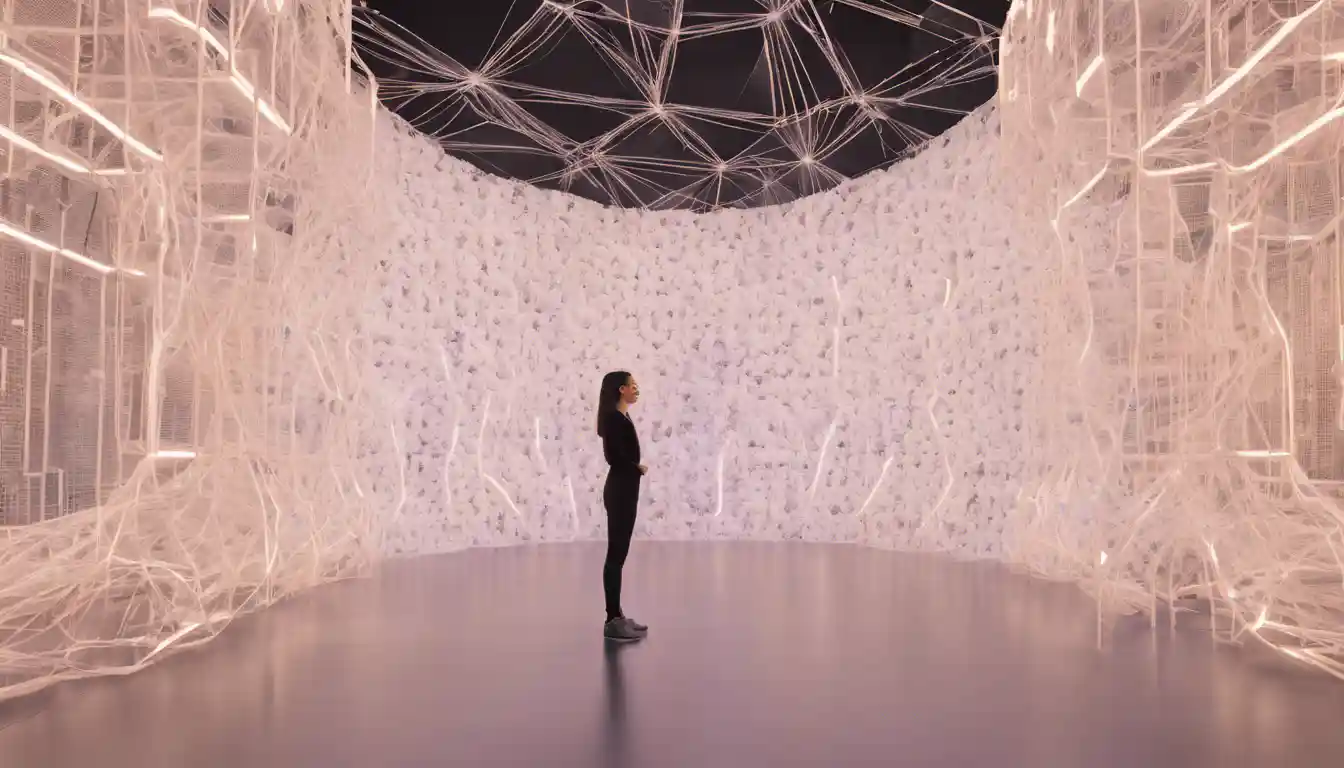
The evolution of virtual walks in the Web3 era marks a significant shift in how artists and audiences interact with immersive performance art. Through the concept of "Immersive Performance Pods," this evolution encapsulates a new realm of artistic expression where the digital and physical worlds converge.
In the Web3 age, artists are no longer confined to traditional stages. Immersive Performance Pods provide dynamic virtual spaces that can be customized to embody unique themes or narratives. For example, consider a pod designed to resemble a tranquil forest. As audiences navigate this 3D world, their movements can trigger specific performances—perhaps a ballet dancer emerges from behind a tree, moving gracefully in response to audience proximity. Alternatively, stepping into a digital cityscape could initiate a high-energy street performance, reflecting the chaos and vibrancy of urban life.
One of the most compelling aspects of these immersive experiences is the real-time interactivity afforded to users. Utilizing advanced technologies such as motion capture and augmented reality, the performance can adapt based on audience choices. This shift from passive observation to active participation not only enriches the experience but also allows each individual to leave a unique imprint on the performance. For example, a user might choose to walk towards a performer, triggering a personalized narrative that unfolds in response to their actions.
At the core of this evolution is blockchain technology, which plays a critical role in validating ownership of digital assets tied to performances. Through smart contracts, particularly the ERC721 standard, artists can securely link their work to unique digital tokens. This not only ensures fair compensation for creators but also enhances collector confidence in purchasing digital art. For instance, audience members can acquire NFTs that represent exclusive clips or behind-the-scenes content of a performance, effectively creating a new revenue stream for artists. The integration of the InterPlanetary File System (IPFS) further ensures that these digital assets are securely stored and easily accessible.
Web3 technology is also instrumental in democratizing access to art. By eliminating geographical barriers, artists can reach global audiences with their immersive performances. This accessibility is a game-changer, particularly for underrepresented creators who may have previously struggled to gain visibility. Platforms such as OpenSea allow artists to mint their NFTs directly from user-friendly web applications, enabling wider participation in the creator economy. This blend of technology and artistry not only fosters inclusivity but also promotes a richer cultural landscape.
Despite the promising landscape of immersive performance art in the Web3 era, there are challenges that remain. The adoption of blockchain technologies among digital creators is still limited, often due to a lack of understanding and user-friendly interfaces. As highlighted in recent studies, there is a pressing need for solutions that prioritize user perspectives and simplify the integration of these technologies into artistic practices. Moving forward, addressing these concerns will be crucial for maximizing the potential of immersive performance pods and ensuring they thrive in the evolving digital ecosystem.
This section highlights innovative performance art projects that are leveraging the potential of digital landscapes in the Web3 era. These case studies exemplify how immersive technologies and blockchain integration are transforming the way audiences experience art.
As discussed in the original draft, the concept of "Immersive Performance Pods" represents a groundbreaking approach to performance art in the digital domain. These virtual spaces allow artists to craft interactive experiences that evolve in real-time, influenced by audience participation. For instance, when users enter a pod themed around a serene meadow, the environment may trigger a choreographed dance sequence, while a bustling urban setting might instigate a spontaneous street performance. This adaptability not only enhances engagement but also personalizes the experience for each viewer.
To ensure secure ownership verification of digital performances, many projects are utilizing smart contracts and blockchain technology. One notable example is the ERC721 standard, which allows for the creation of unique, non-fungible tokens (NFTs) tied to each performance. By leveraging the InterPlanetary File System (IPFS), artists can store their digital assets decentralized, guaranteeing that ownership records are transparent and auditable. This approach addresses the ease of duplication associated with digital art, providing artists with the assurance that their work is protected and that they receive fair compensation.
The rise of NFTs has not only opened new revenue streams for artists but has also reshaped the cultural landscape of digital art. For instance, platforms like OpenSea enable artists to mint their performance art as NFTs, which can be auctioned or sold directly to collectors. This shift has encouraged a creator economy where artists retain ownership of their work while expanding their audience reach. Research indicates that these digital collectibles are increasingly being valued similarly to traditional art forms, emphasizing the importance of ownership verification in the digital age.
A case study involving a firm that utilizes the Bitcoin blockchain demonstrates how performance art can gain visibility and legitimacy through secure ownership tracking. By creating an integrated ownership ledger, the project facilitates the attribution, transfer, and provenance tracking of digital works. This not only protects artists' rights but also enhances collectors' confidence in purchasing digital performance art, thereby fostering a more robust marketplace.
Despite the promising potential of blockchain technologies, a study highlights that their adoption among digital creators often faces hurdles due to a lack of focus on user perspectives. For example, many artists express concerns regarding the complexity of existing blockchain services. Addressing these issues through user-friendly platforms can facilitate wider acceptance of blockchain solutions in the performance art space, ensuring that artists can effectively harness the benefits of digital ownership and distribution.
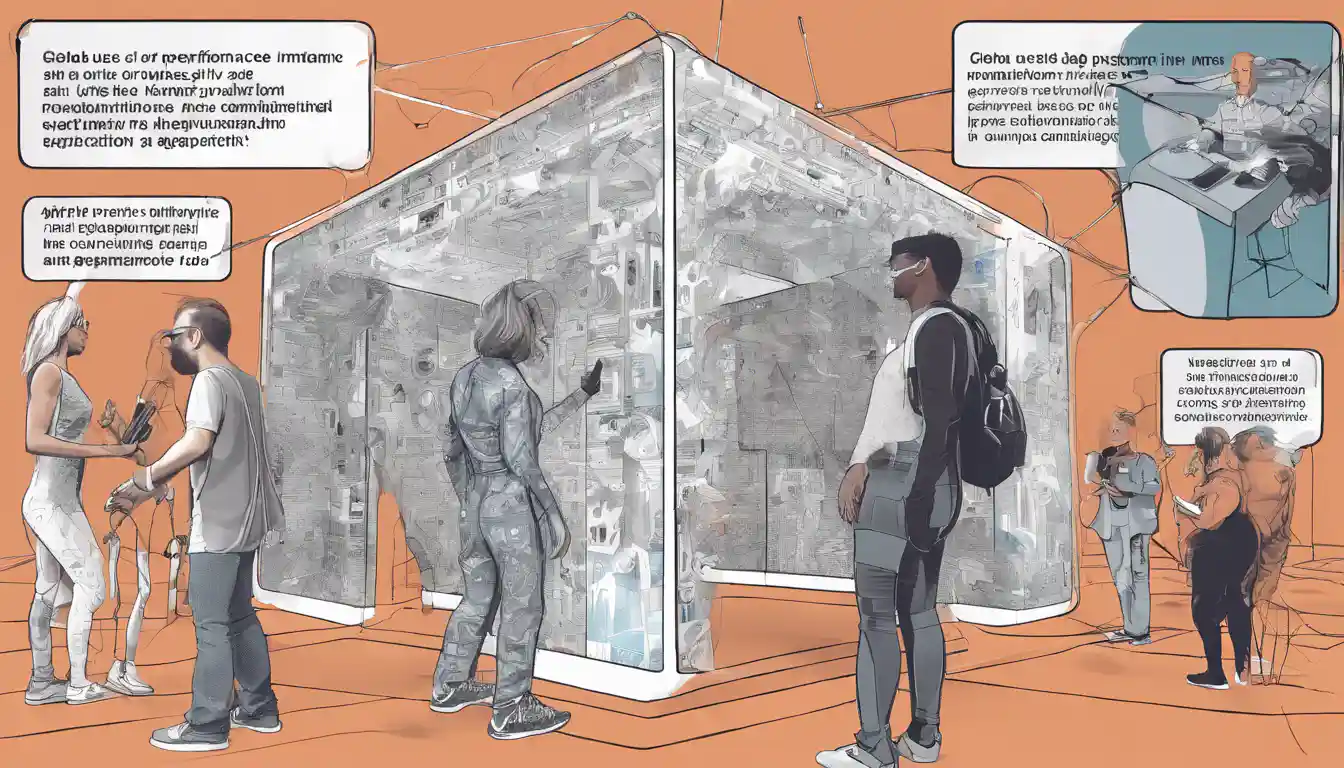
The future of performance art within the Web3 framework is not just a continuation of traditional forms but a reimagining of how art interacts with technology and audiences. As we delve into the realm of "Immersive Performance Pods," we see a transformative shift where digital interactions create unparalleled experiences for both artists and spectators.
Blockchain technology plays a pivotal role in this evolution. Utilizing smart contract standards like ERC721 enables artists to securely verify ownership of their digital art, ensuring that both creators and collectors benefit from fair compensation. For instance, an artist presenting a live performance can mint NFTs that represent unique moments or scenes from the event, allowing audience members to purchase, collect, or trade these tokens as digital memorabilia. This not only enhances the revenue potential for artists but also deepens the audience's connection to the performance.
"Immersive Performance Pods" offer a unique opportunity for audience interaction. Imagine a virtual concert where the environment shifts in real-time based on audience movements and choices. If a viewer approaches a section of the stage, they might trigger a special light display or an impromptu performance. This interactivity fosters a sense of agency and personal connection to the art, transforming passive viewers into active participants. Such dynamic experiences are made possible through advanced technologies like the InterPlanetary File System (IPFS), which allows seamless updating of digital assets in real-time.
The democratization of performance art is another significant aspect of this digital transformation. Artists can reach a global audience without the constraints of physical venues. This is particularly beneficial for marginalized artists who may struggle to find platforms for their work. For example, a choreographer in a small town can present their work to an international audience through a digital performance pod, breaking down geographical barriers and fostering inclusivity in the arts.
Despite the promising landscape, challenges remain. The adoption of blockchain technology is still in its infancy, with many creators hesitant to embrace it due to concerns about complexity and user experience. A recent study highlights that while technical implementation is crucial, understanding the needs and perspectives of artists is equally important. This suggests that future developments must focus on user-friendly interfaces and comprehensive support systems to encourage broader adoption among digital creators.
As we look ahead, the intersection of performance art and Web3 technology will likely give rise to new, innovative formats and experiences. For instance, virtual reality (VR) could be integrated into performance pods, creating fully immersive experiences that transport audiences into fantastical worlds. The potential for machine learning algorithms to adapt performances based on audience feedback and engagement metrics could also redefine the nature of live art. As these technologies continue to evolve, they will unlock new possibilities for artistic expression and audience interaction.
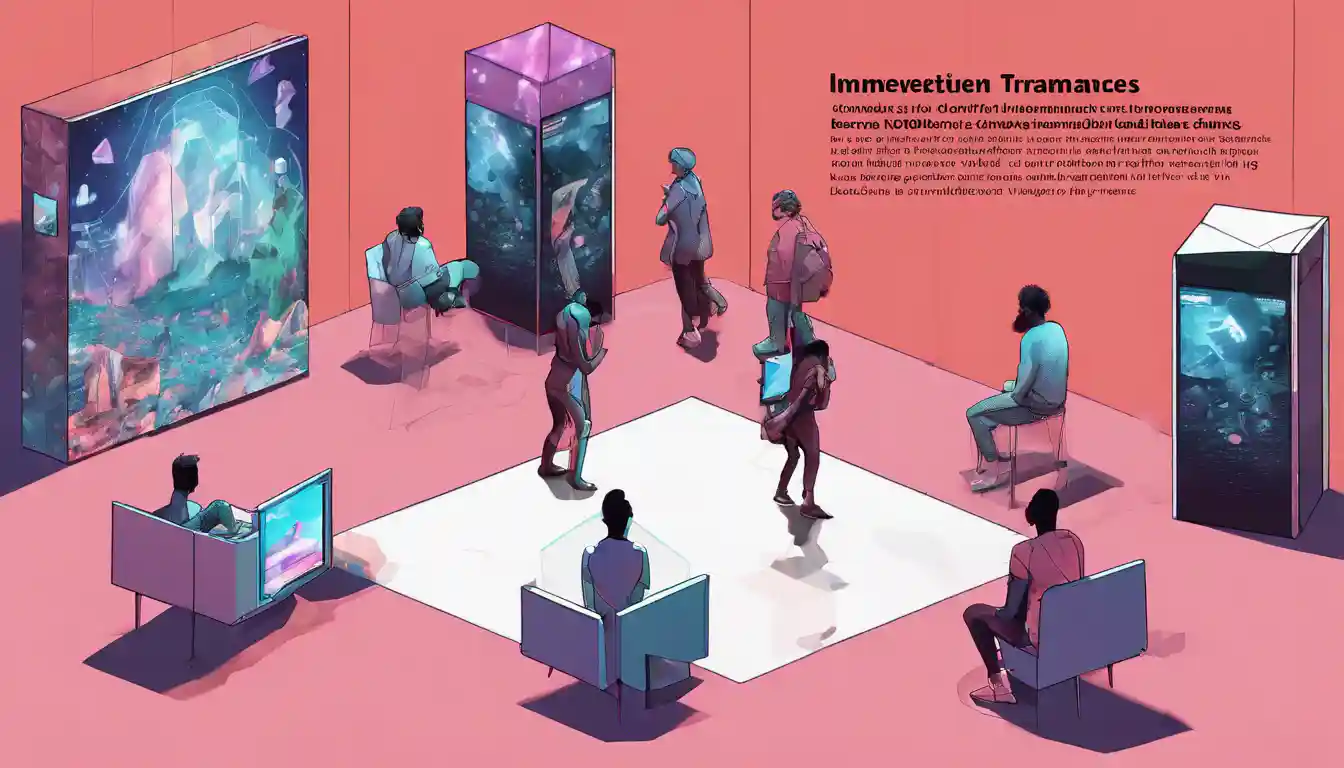
In the Web3 era, "Immersive Performance Pods" represent a groundbreaking fusion of performance art and interactive digital experiences. These virtual environments allow artists to engage audiences in real-time, creating dynamic experiences that evolve based on audience interaction and artistic expression.
Imagine a 3D digital world where the scenery morphs as the audience moves through it. Each pod could be a unique realm, designed around specific themes or narratives. For example, entering a tranquil garden could trigger a graceful ballet performance, while stepping into a vibrant urban setting might unleash a powerful spoken word piece. This adaptability not only heightens emotional engagement but also ensures that every audience member's experience is distinctly their own.
At the heart of these immersive experiences lies the power of blockchain technology. The use of smart contracts, particularly the ERC721 standard, facilitates secure ownership verification for digital assets created within these pods. By linking performances to their creators through a decentralized ledger, blockchain ensures that artists can claim rightful ownership over their work, which is crucial in an era plagued by digital duplication and distribution challenges.
Digital performances can be monetized using non-fungible tokens (NFTs), which serve as unique digital assets representing ownership of specific pieces of art or performance. For instance, an artist could mint a limited number of NFTs that grant access to exclusive clips, digital artworks, or even backstage content. Platforms like OpenSea enable creators to manage their NFTs easily, allowing them to price, auction, and track their digital assets seamlessly. This not only provides artists with new revenue streams but also enhances audience engagement by offering tangible ownership of ephemeral experiences.
Several pioneering projects have already begun to explore the potential of "Immersive Performance Pods." One notable example is Decentraland, a virtual reality platform where users can buy, develop, and sell parcels of virtual real estate. Artists and performers have organized events that leverage the platform’s capabilities, allowing audiences to interact with performances in ways previously unimaginable. Similarly, platforms like Somnium Space and Cryptovoxels have hosted performances where the environment shifts based on audience input, showcasing the transformative power of immersive art in the digital landscape.
This blend of technology and artistry not only captivates but also democratizes access to performance art. By eliminating geographical barriers, creators can reach global audiences, bringing diverse cultural expressions to a wider audience. The immersive nature of these performances allows people from various backgrounds to engage with art that resonates with them personally, fostering a richer cultural dialogue in the digital space.
Despite the promising landscape, challenges remain in the widespread adoption of these technologies. Digital creators often express concerns regarding the complexities of blockchain solutions and the need for user-friendly interfaces. Research indicates that a more nuanced understanding of creators' needs and perspectives is critical for driving adoption. As the ecosystem matures, addressing these issues will be vital to unlocking the full potential of immersive performance pods.
In our exploration of performance art within the vibrant landscape of the Web3 era, we have uncovered a multifaceted evolution that transcends traditional boundaries. The emergence of "Immersive Performance Pods" signifies a revolutionary shift, where art is not merely observed but actively engaged with, creating a dynamic interplay between artists and audiences.
We began with the recognition of how performance art is being redefined in the digital realm, leveraging technology to create immersive experiences that resonate on a personal level. Through blockchain technology and NFTs, artists are not only securing their ownership but also fostering direct connections with their audience, allowing for new monetization strategies and engagement models. This transition not only democratizes access to art but also empowers artists from diverse backgrounds to reach global audiences.
As we look to the future, the potential for further innovation is boundless. The integration of virtual reality and machine learning could lead to ever more personalized and interactive performances, enhancing the way art is experienced. However, the challenges of technology adoption and user experience remain critical. For this artistic movement to thrive, solutions must be developed that prioritize the needs of creators while simplifying the complexities of blockchain technology.
As we stand on the cusp of this exciting new era, we invite you to engage with this evolving landscape. Whether you are an artist, a technologist, or simply an avid art lover, consider how you can contribute to this dialogue. Explore immersive performances, support digital artists, and advocate for accessible technologies that empower creativity. The future of performance art is not just a spectator sport; it is a collaborative journey waiting for your participation. What role will you play in shaping this new digital canvas?
Get notified about new articles, coffee tips, and Web3 insights.
This site participates in affiliate programs and may earn a commission when a link is clicked and a purchase is made. The site is not responsible for any issues or troubles related to the products or services purchased through the use of this site.

DO&COFFEE loves coffee and technology, exploring the potential of NFTs and blockchain. Learn more →
DO&COFFEE loves coffee and technology, exploring the potential of NFTs and blockchain. Learn more →