art
2024/09/05
This article contains affiliate links. We may earn a small commission at no extra cost to you. Learn more
As we dive into the vibrant world of contemporary art, the rise of mixed media painting artists stands out as a compelling phenomenon that is not just reshaping individual expressions but also redefining the very boundaries of art itself. Mixed media art, characterized by the combination of various materials and techniques—think painting, collage, photography, and found objects—reflects a broader cultural shift towards inclusivity and experimentation. This movement invites us to consider how art can resonate deeply across diverse backgrounds, allowing artists to weave their unique experiences into their creations.
What makes mixed media particularly fascinating is its democratizing effect. We see artists from varied walks of life embracing the freedom to incorporate personal narratives and community influences into their work, ultimately creating pieces that speak to a wider audience. For example, urban artists often utilize street materials and layers of graffiti to craft evocative dialogues with their environments, fostering a sense of connection and relatability. This fusion not only makes art more accessible but also encourages us to engage with it in newfound ways.
Moreover, the digital age has amplified the visibility of these innovative artists, providing them with platforms to showcase their work globally. This newfound exposure cultivates collaboration and invites audiences to reflect on the nature of art itself, challenging traditional notions of authenticity and value. In essence, the rise of mixed media painting artists marks a transformative movement that celebrates creativity's multifaceted nature, urging us all to reconsider the definitions of art and the boundaries that have long confined it. Join us as we explore notable mixed media painting artists, their historical influences, and the exciting future that lies ahead for this artistic revolution.
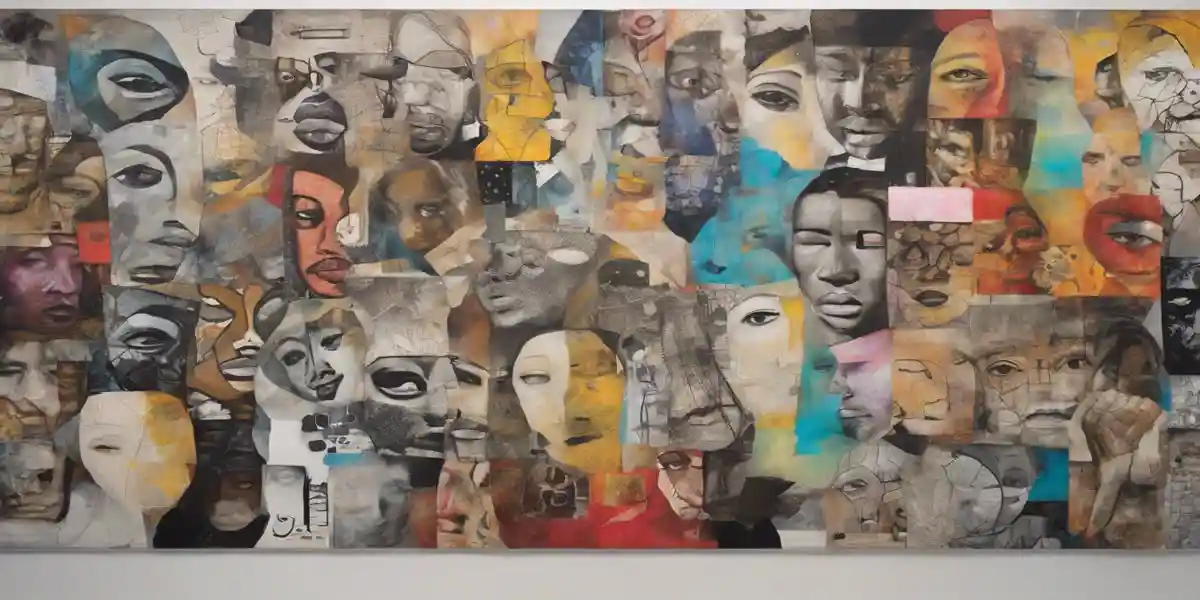
The emergence of mixed media art marks a significant transformation in the landscape of contemporary artistic expression. This innovative approach combines a multitude of artistic materials and techniques—such as painting, collage, photography, and found objects—into cohesive works that challenge traditional definitions of art. As we explore this dynamic medium, it's essential to consider not only the technical aspects but also the cultural implications that accompany its rise.
At the heart of mixed media art is the philosophy of integration. Artists today are blending various materials to create richer visual narratives. For instance, consider the use of discarded personal computer motherboards as a base for mixed media paintings. Artists utilize these unconventional surfaces, layering acrylic and oil colors to form intricate textures and dynamic color flows. This experimental approach encourages artists to think outside the conventional boundaries of painting, pushing them to explore new dimensions of visual expression.
The mixed media movement is not merely a trend; it represents a democratizing force in the art world. By embracing diverse materials, artists from varied backgrounds are empowered to incorporate their unique narratives into their work. Urban artists, for example, often use street materials and layers of graffiti, creating a dialogue with their surroundings that resonates deeply with their communities. This not only makes art more relatable but also fosters a sense of belonging among viewers, transforming the act of experiencing art into a communal event.
The rise of social media platforms has further amplified the visibility of mixed media artists. Artists can now showcase their work to a global audience, breaking away from traditional galleries and exhibition spaces. This newfound exposure encourages collaboration and invites audiences to engage with art in ways previously unimagined. As artists challenge established conventions, they prompt viewers to reflect on the essence of art itself, raising questions about authenticity, value, and the artist's role in society.
The significance of material in mixed media art extends beyond mere functionality; it embodies aesthetic concepts and themes integral to the artwork's emotional resonance. As highlighted in various studies, the materials selected by artists often possess inherent artistic qualities that enhance the creative process. For example, Anthony Tapies, a pioneer in mixed media painting, meticulously explores various materials, believing in their potential to transform modern art's visual language. His commitment to material exploration illustrates how the choice of medium can elevate artistic expression to new heights.
Through the lens of mixed media, we witness a profound transformation in how art is created, perceived, and experienced. The integration of diverse materials and techniques not only enriches the visual experience but also invites a broader audience to engage with the artwork on multiple levels. As we continue to explore this vibrant movement, it becomes clear that mixed media painting artists are indeed pioneers of a new artistic revolution.
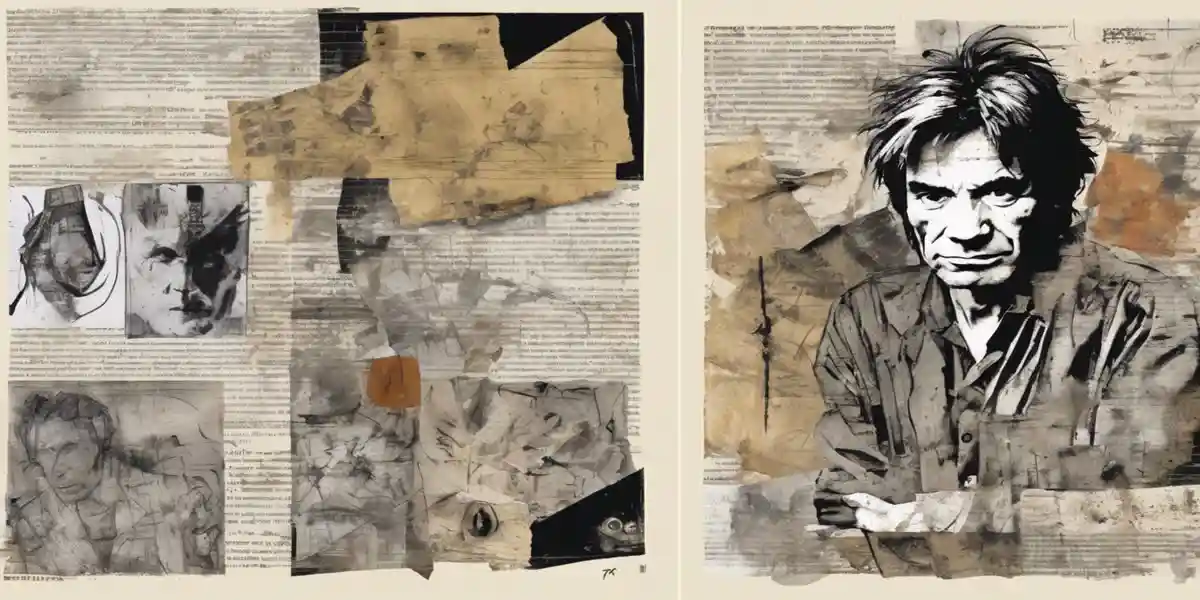
In the dynamic landscape of mixed media painting, several artists have emerged as pioneers, pushing the boundaries of creativity and redefining artistic expression. Their unique approaches and innovative use of materials not only challenge conventional norms but also invite viewers to engage with art in profound ways.
One of the most influential figures in the realm of mixed media painting is Anthony Tapies. Renowned for his innovative approach and exploration of materials, Tapies believed in the inherent relationships that materials possess. His work often incorporates common, everyday items, which he meticulously selects and experiments with to uncover new aesthetic dimensions. This exploration enhances his artistic expression and transforms modern art's visual and aesthetic concepts. For instance, Tapies often utilized textures and layers, inviting viewers to experience the physicality of his pieces. His commitment to material exploration has paved the way for future artists to embrace unconventional methods in their practices.
Another notable example can be seen in the experimental use of discarded personal computer motherboards as a base for mixed media paintings. This innovative approach integrates acrylic and oil colors on wooden boards, emphasizing the exploration of surfaces and textures. Artists adopting this method aim to create dynamic color flows and forms, thus expanding the visual and aesthetic vocabulary in their studio practices. The use of such unconventional materials not only challenges traditional artistic conventions but also encourages a dialogue about sustainability in art. Safety measures, including the use of masks and gloves, illustrate the importance of maintaining a safe creative environment while engaging with potentially hazardous materials.
The significance of materials in mixed media painting extends beyond their physical properties; they embody aesthetic concepts and themes, serving as both medium and message. This approach enhances the autonomy of painting language, allowing for a richer visual experience. Artists utilize diverse media to influence their creative processes, integrating elements that evoke emotional responses and reshape visual perception. Such practices highlight the transformative power of mixed media, fostering a deeper connection between the artist and the audience.
Urban artists are also making significant contributions to the mixed media movement, often incorporating street materials such as graffiti, posters, and found objects into their work. This practice not only reflects their surroundings but also creates a dialogue with the community. For example, well-known urban artists often layer these materials, creating pieces that resonate with the vibrancy and complexity of urban life. This blending of mediums fosters a sense of shared experience and narrative, making art more accessible and relatable to the public.
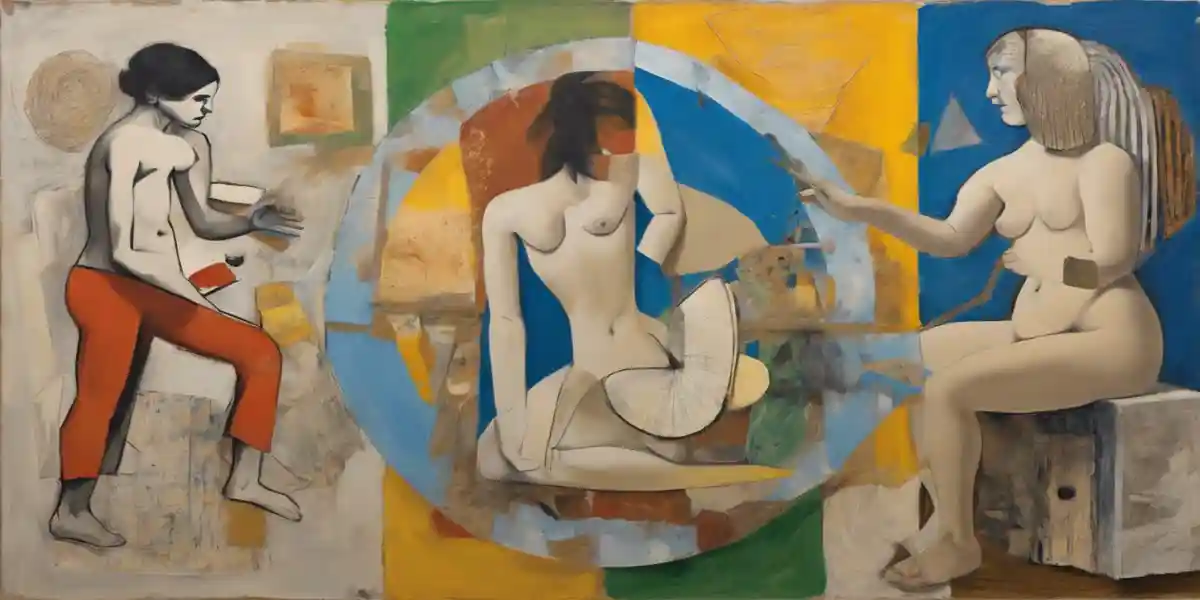
The evolution of mixed media painting is rooted in a rich tapestry of historical influences and innovative practices that have collectively shaped its contemporary form. This section delves into the key movements and artists that have paved the way for this artistic revolution, illustrating how materials and techniques have been redefined over time.
The mixed media movement can trace its origins back to the groundbreaking ideas of modernism and postmodernism, which challenged traditional artistic conventions. Modernist artists, such as Pablo Picasso and Georges Braque, pioneered collage techniques, utilizing cut paper and found materials to create depth and meaning in their works. This experimentation laid the groundwork for the postmodernist embrace of eclecticism, where the boundaries between high and low art began to blur.
In the postmodern era, artists like Robert Rauschenberg and Jasper Johns further expanded the definition of painting by incorporating everyday objects and images from popular culture. Rauschenberg's "Combines," for example, merged painting and sculpture by integrating items like newspapers, fabric, and even taxidermy. These artists not only transformed the visual landscape but also encouraged future generations to explore the integration of diverse materials in their artistic expressions.
The choice of materials in mixed media painting is not merely a matter of aesthetics; it embodies broader concepts and themes that enrich the viewer's experience. As highlighted in one paper, the significance of material artworks in contemporary artistic expression cannot be overstated. The use of various media expands visual experiences while enhancing the autonomy of painting language. For instance, the incorporation of unconventional materials like discarded personal computer motherboards, as studied in recent research, exemplifies how artists are innovating beyond traditional practices.
In this case, artists have experimented with integrating acrylic and oil colors on these unexpected surfaces, creating dynamic color flows and textures that challenge the viewer's perception. This approach encourages a fresh dialogue about the nature of painting itself—provoking thought about what constitutes art and how materials can possess intrinsic artistic qualities.
Among the vanguards of the mixed media movement is Anthony Tapies, whose innovative approach to material exploration has significantly influenced modern art's visual and aesthetic concepts. Tapies believed that materials have inherent relationships that could be leveraged to enhance artistic expression. His meticulous selection and experimentation with common materials (such as sand, earth, and rope) helped reveal new aesthetic dimensions.
By categorizing his unique mixed media style and analyzing the underlying principles of the materials he employed, Tapies illustrated a commitment to advancing artistic effects through material exploration. This focus on the materiality of art invites viewers to engage with the physical aspects of the artwork, creating a deeper emotional connection and understanding of the artist's intent.
The rise of social media platforms has played a critical role in amplifying the visibility of mixed media artists, allowing them to showcase their work to a global audience. This newfound exposure fosters collaboration and experimentation, encouraging artists to push the boundaries of their practices. In a world where accessibility is paramount, the democratizing effect of social media enables artists from diverse backgrounds to share their unique experiences and perspectives through their work.
As artists continue to challenge conventional definitions of art, they engage audiences in meaningful dialogues about authenticity, value, and the role of the artist in society. This cultural shift reflects a broader movement towards inclusivity and experimentation, reshaping the landscape of contemporary art and inviting viewers to reconsider the boundaries that have long defined artistic expression.
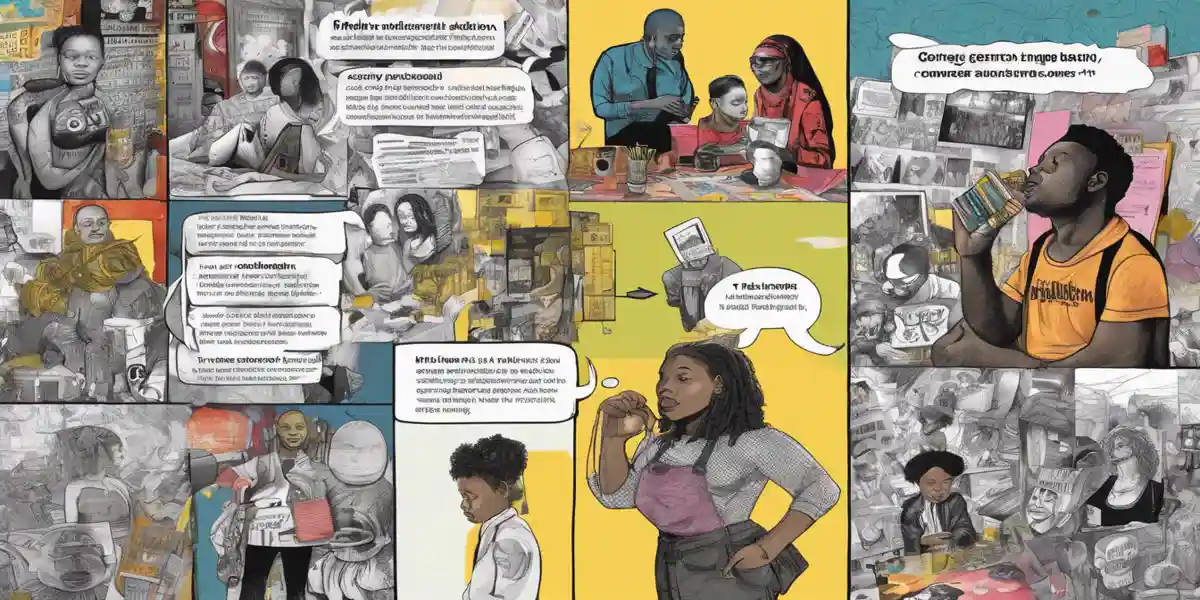
The mixed media movement is not just about the materials used; it’s about the voices of contemporary artists who are reshaping our understanding of art and its purpose in society. These artists are pioneers, pushing boundaries and crafting narratives that resonate deeply with audiences around the world.
One of the most significant aspects of contemporary mixed media painting is the role of materials. Artists are increasingly incorporating a variety of media into their work, which expands visual experiences and enhances the autonomy of artistic expression. For example, a study highlights how different materials—ranging from traditional paints to unconventional items like discarded personal computer motherboards—can transform a canvas into a dynamic visual landscape. By layering acrylic and oil colors on these repurposed surfaces, artists create works that not only challenge traditional conventions but also encourage viewers to engage with the artwork on a sensory level. This experimentation pushes the boundaries of what can be considered a medium, ultimately enriching the depth and meaning of the artwork itself.
The inclination towards using unconventional materials is a hallmark of contemporary mixed media artists. Consider the innovative approaches of artists like Anthony Tapies, who believed in the inherent relationships between various materials. He meticulously selected everyday objects, allowing them to inform his artistic practice. This method not only emphasizes the aesthetic qualities of the materials but also the concepts they embody. For instance, tapping into the textures and colors of urban environments, artists are able to create works that reflect their surroundings and experiences, fostering a deeper connection with their audience.
In the digital age, social media has played a pivotal role in amplifying the voices of mixed media artists. Platforms like Instagram and Pinterest have democratized the art world, allowing artists from diverse backgrounds to showcase their work to a global audience. This visibility encourages collaboration among artists and invites audiences to engage with art in new and exciting ways. By sharing their processes and inspirations, these artists challenge traditional notions of authorship and authenticity, prompting viewers to question the very nature of art itself. The conversations sparked by these platforms can influence public perception and appreciation of mixed media as a legitimate and powerful form of artistic expression.
Another remarkable aspect of contemporary mixed media painting is the emphasis on community and narrative. Urban artists, in particular, often draw from their environments, utilizing materials like street signs, graffiti, and found objects to create pieces that resonate with their immediate surroundings. This approach not only democratizes art but also fosters a sense of belonging and shared experience. As these artists incorporate elements of their culture and history into their work, they create a dialogue that transcends the canvas, inviting viewers to reflect on their own narratives and the world around them.
The future of mixed media painting is an exciting tapestry woven from threads of innovation, experimentation, and the democratization of artistic expression. As we look ahead, it becomes clear that the evolution of this medium will not only redefine the artistic landscape but will also challenge our perceptions of art itself.
One of the most compelling trends shaping the future of mixed media painting is the increasing use of unconventional materials. Artists are moving beyond traditional canvases and paints to incorporate everyday objects, electronic waste, and even organic materials. For example, a recent study highlighted the use of discarded personal computer motherboards as a base for mixed media artworks. This innovative approach allows artists to create dynamic color flows and textures by integrating acrylics and oils onto these non-traditional surfaces. By repurposing materials that are often overlooked, artists are not only reducing waste but also opening new avenues for creative expression.
The exploration of diverse materials fundamentally expands the visual vocabulary of mixed media painting. As stated in one of the paper summaries, these materials do not merely serve as tools but embody aesthetic concepts that enrich the viewer's experience. This evolution encourages artists to think beyond conventional boundaries, fostering a deeper emotional connection with their audience. For instance, renowned artist Anthony Tapies is celebrated for his unique approach to mixed media, where he meticulously selects common materials to uncover new aesthetic dimensions. His work exemplifies how the relational quality of materials can transform the visual narrative, inviting viewers to engage with art on multiple sensory levels.
As technology continues to evolve, so does the medium of mixed media painting. The rise of social media platforms has significantly amplified the visibility of mixed media artists, enabling them to connect with global audiences in real-time. This connectivity fosters collaboration and experimentation, as artists share their processes and inspirations with one another. Furthermore, the digital landscape allows for new forms of mixed media art, such as digital collages and interactive installations that blend physical and virtual elements. This confluence of technology and art not only democratizes access to artistic creation but also invites viewers to participate in the artistic process, blurring the lines between creator and consumer.
In the future, mixed media painting will likely serve as a powerful medium for reflecting societal narratives. Artists from diverse backgrounds will continue to harness their unique experiences to create works that resonate with broader cultural conversations. This movement towards inclusivity will yield art that speaks to pressing issues such as identity, environment, and social justice. For instance, urban artists incorporating street materials and graffiti into their work often spark dialogue with their communities, creating a narrative that is as much about the art as it is about the context in which it is created. As mixed media artists push the boundaries of their craft, we can expect to see a rich tapestry of stories that challenge and inspire audiences.
As mixed media painting continues to evolve, the role of materiality in artistic expression will become increasingly significant. Artists will continue to explore how different materials can influence artistic thought and emotional expression. The significance of materials will not be limited to their visual appeal but will also encompass their ability to convey meaning and depth. By analyzing the interplay between materials and artistic intent, mixed media artists will enrich their works with layers of narrative and emotion, inviting viewers to engage with the art on a more profound level.
The mixed media movement is a vibrant and transformative force in contemporary art, where artists are pushing the limits of what constitutes art by incorporating a variety of materials and techniques. This section delves into how mixed media painting not only reshapes artistic expression but also challenges the traditional boundaries of the art world.
At the heart of mixed media painting lies the use of diverse materials, each contributing to the visual experience and emotional impact of the artwork. A recent paper highlights that these materials are not merely tools; they embody aesthetic concepts and themes, serving dual purposes as both medium and artistic subject. For example, an artist might use pieces of fabric, metal, and paper to create a layered collage that reflects their personal narrative or social commentary. This approach enriches the meaning and depth of the artworks, as each material tells a story of its own.
The exploration of unconventional surfaces is another exciting aspect of the mixed media movement. One study investigates the use of discarded personal computer motherboards as a base for mixed-media paintings. By integrating acrylic and oil colors on these non-traditional surfaces, artists can create dynamic color flows and textures that challenge viewers’ perceptions of what a painting can be. The creative process here is experimental, emphasizing the importance of safety precautions, such as wearing masks and gloves, to handle sharp edges and harmful particles. This approach encourages artists to deviate from conventional practices, expanding their visual and aesthetic vocabulary.
Anthony Tapies stands out as a pioneer in the mixed media painting realm. His work exemplifies a deep exploration of materials and their inherent relationships. Tapies believed that materials possess their own qualities and meanings, which can transform the visual and aesthetic concepts of modern art. By meticulously selecting and experimenting with common materials—such as sand, wood, and fabric—he uncovered new dimensions of artistic expression. His unique style not only showcases his commitment to material exploration but also invites viewers to reconsider the significance of the materials used in art.
One of the most compelling aspects of the mixed media movement is its democratizing effect. Artists from various cultural and socio-economic backgrounds can incorporate their unique experiences into their work, resulting in pieces that resonate on multiple levels. Urban artists, for instance, often use street materials and layers of graffiti, creating a dialogue with their surroundings that is both evocative and relatable. This fusion of materials and contexts fosters a sense of community, making art more accessible to the public and inviting diverse narratives to the forefront.
The rise of social media platforms has significantly amplified the visibility of mixed media artists. These platforms allow artists to showcase their work to a global audience, encouraging collaboration and engagement in ways never before imagined. As artists challenge conventional boundaries, they invite viewers to reflect on the nature of art itself, prompting critical questions about authenticity, value, and the evolving role of the artist in society. This newfound exposure not only democratizes art but also creates a dynamic dialogue between artists and audiences, enriching the overall artistic landscape.
In conclusion, the mixed media painting movement stands as a testament to the transformative power of art in the contemporary landscape. Throughout this exploration, we have seen how mixed media art breaks traditional boundaries by integrating diverse materials and techniques, creating richer visual narratives that resonate with a broader audience. The works of pioneers like Anthony Tapies demonstrate that materials are not merely tools; they embody stories and concepts that elevate artistic expression. Moreover, the influence of social media has democratized art, offering visibility and connection to artists across the globe and fostering a sense of community and shared experience.
The implications of this movement are profound: as artists continue to embrace unconventional materials and innovative practices, they challenge viewers to reconsider their perceptions of art, authenticity, and the role of the artist in society. The future of mixed media painting promises to be even more exciting, as artists harness technology and reflect societal narratives that speak to pressing issues of our time.
As you reflect on this artistic revolution, consider how mixed media art may influence your understanding of creativity and expression. What stories can you tell through the materials around you? Are there unconventional paths you can explore in your own creative endeavors? Engage with art, challenge the norms, and become a part of this vibrant dialogue that reshapes not only the canvas but also our shared cultural landscape.
Get notified about new articles, coffee tips, and Web3 insights.
This site participates in affiliate programs and may earn a commission when a link is clicked and a purchase is made. The site is not responsible for any issues or troubles related to the products or services purchased through the use of this site.

DO&COFFEE loves coffee and technology, exploring the potential of NFTs and blockchain. Learn more →
DO&COFFEE loves coffee and technology, exploring the potential of NFTs and blockchain. Learn more →