technology
2024/09/29
This article contains affiliate links. We may earn a small commission at no extra cost to you. Learn more
In an era where digital images are as fleeting as the moments they capture, landscape nature photography stands at a pivotal crossroads—one where art and technology converge to redefine not only how we view nature but also how we value it. Imagine a future where photographers can share their breathtaking works while maintaining complete ownership and authenticity. This is not just a dream; it’s the promise of Web3 technology. By harnessing the power of blockchain and Non-Fungible Tokens (NFTs), we can create a decentralized marketplace that empowers artists, fosters direct connections with audiences, and supports environmental conservation.
Through this blog post, we will explore how Web3 technology is revolutionizing ownership and authenticity in landscape photography, as well as its potential to create sustainable income streams for photographers through smart contracts. We'll delve into the role of decentralized autonomous organizations (DAOs) in promoting community engagement and funding conservation projects, thus intertwining the realms of art and environmental stewardship. Join us as we navigate this transformative landscape and envision a future where technology enriches not only the art of photography but also our connection to the natural world.
Web3 technology is revolutionizing the way we interact with digital content, and its implications for landscape nature photography are profound. This new paradigm empowers photographers by providing tools that foster direct connections with audiences while enhancing the ownership and authenticity of their work. Let's explore how Web3 is reshaping this artistic field.
At its core, Web3 technology is built on decentralization, allowing for peer-to-peer interactions without intermediaries. In the context of landscape photography, this means that photographers can showcase their work directly to potential buyers, art enthusiasts, and conservationists. Imagine a platform where your stunning images of nature can be presented to the world without relying on traditional galleries or social media algorithms that might obscure your visibility. This direct access not only democratizes the art world but also provides photographers with greater control over their creative output.
One of the most significant innovations within Web3 is the emergence of Non-Fungible Tokens (NFTs). Each photograph can be minted as a unique NFT, creating a digital certificate of authenticity and ownership. For instance, consider a photographer who captures a breathtaking sunset over a national park. By minting this photograph as an NFT, the artist not only secures the proof of ownership but also establishes scarcity by selling limited editions. This shift introduces a new economic model where the value of digital art can be recognized and appreciated, akin to traditional art markets.
Smart contracts are crucial to the Web3 ecosystem, providing automated and secure transactions without the need for intermediaries. For landscape photographers, this means that every time their work is resold in the secondary market, they can automatically receive royalties. Imagine a photographer whose work gains popularity over time; with smart contracts in place, they can continue to benefit financially from the appreciation of their art. This creates a sustainable income model for artists, allowing them to focus on their craft while being rewarded fairly.
Web3 also paves the way for decentralized autonomous organizations (DAOs), which can enhance community engagement among photographers and their supporters. For example, photographers could collaborate with fans to promote conservation initiatives, directing a portion of NFT sales to fund environmental projects. This synergy reinforces the connection between art and nature, enabling photographers to use their platforms not just for personal gain but to contribute meaningfully to the preservation of the landscapes they capture.
While the potential of Web3 technology is immense, it is not without challenges. Issues such as the environmental impact of blockchain technologies, particularly those utilizing proof-of-work systems, necessitate a careful approach. The development of environmentally conscious smart contracts can help mitigate these concerns, ensuring that artists can thrive without harming the planet. As photographers navigate this new landscape, they must remain aware of these challenges while seizing the opportunities presented by Web3 technology.
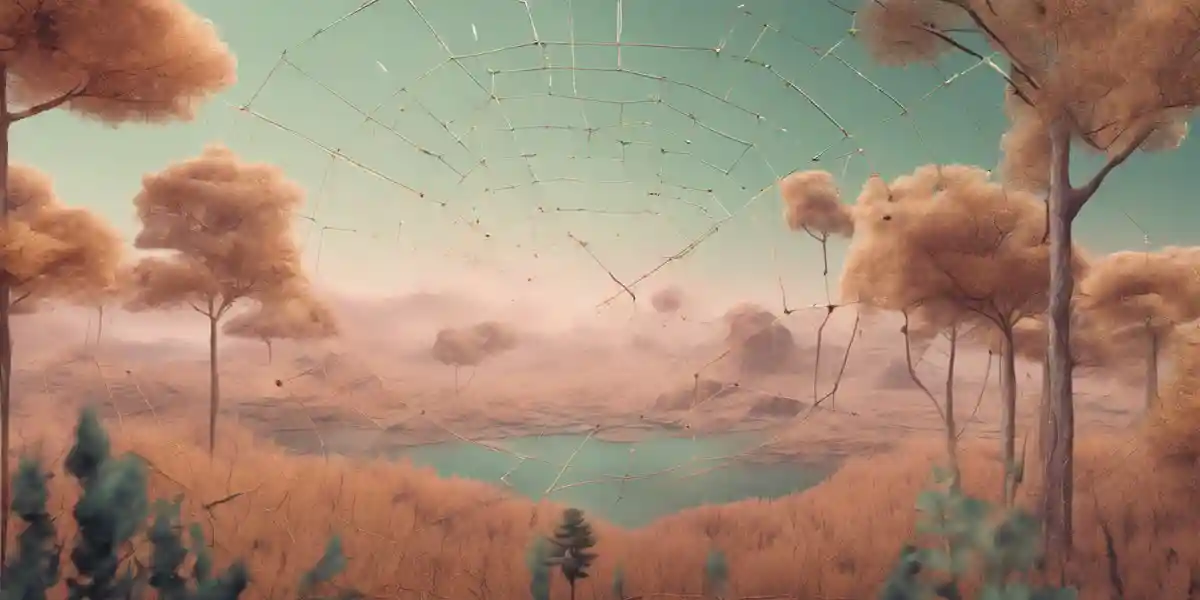
The advent of Web3 technology is set to redefine the concepts of ownership and authenticity in nature photography. At the heart of this revolution lies the use of Non-Fungible Tokens (NFTs) and smart contracts, which empower photographers to assert their rights and enhance the value of their work in ways that were previously unimaginable.
Traditional methods of verifying ownership in the digital art world have often proven inadequate, primarily due to the ease of duplication. This is where NFTs come into play. By minting a photograph as an NFT on blockchain platforms such as Ethereum, photographers can create a unique digital certificate of authenticity that is cryptographically secured. Each NFT is distinct and cannot be duplicated, which fundamentally alters the landscape of ownership.
For instance, when photographer Ansel Adams' iconic works are reimagined as NFTs, each piece can be sold as a limited edition, establishing scarcity that elevates its perceived value. This innovation not only ensures that buyers know they are purchasing an original work but also allows artists to retain a sense of control over their creations. The ERC721 standard, a widely adopted framework for NFTs, ensures that each digital asset is traceable back to its creator, thus solidifying their ownership rights.
Beyond ownership, smart contracts offer another layer of protection and empowerment for photographers. These self-executing contracts with the terms of the agreement directly written into code facilitate transactions without the need for intermediaries. In the context of nature photography, this means that photographers can automatically receive royalties every time their work is resold. This ongoing revenue stream is particularly beneficial in an industry where many artists struggle to make a living from their craft.
Imagine a scenario where a landscape photographer sells an NFT of their work for $1,000. If the buyer later resells the NFT for $5,000, a smart contract can ensure that a predetermined percentage—say, 10%—of that resale price automatically returns to the original photographer. This model encourages a sustainable ecosystem where photographers are rewarded not just for their initial sale but for the lifetime of their work.
Web3 technology also enables a new form of community engagement through decentralized autonomous organizations (DAOs). Photographers and their supporters can collaborate on projects that blend art with environmental conservation. For instance, a group of nature photographers could create a DAO where a portion of NFT sales directly funds conservation efforts, such as reforestation projects or wildlife protection initiatives. This not only solidifies the connection between art and nature preservation but also fosters a sense of community among photographers and their audience.
Such initiatives can be illustrated by the success of platforms like Art Blocks, which leverage blockchain technology for community-driven art projects. The potential for nature photographers to join forces in supporting environmental causes while promoting their own work represents a powerful shift in how art can be used as a tool for activism.
As we embrace the potential of NFTs and smart contracts, it’s crucial to address the environmental impact often associated with blockchain technology, particularly in energy-intensive proof-of-work systems. Recent innovations, such as Environmentally Smart Contracts, aim to reconcile the benefits of digital ownership with sustainability. These contracts can be designed to minimize ecological footprints, ensuring that artists profit from their NFTs without contributing to environmental degradation.
For example, by using proof-of-stake blockchains or incorporating carbon offset mechanisms into smart contracts, photographers can align their passion for nature with environmentally responsible practices. This not only enhances the authenticity of their work but also appeals to a growing audience that prioritizes sustainability in their art purchases.
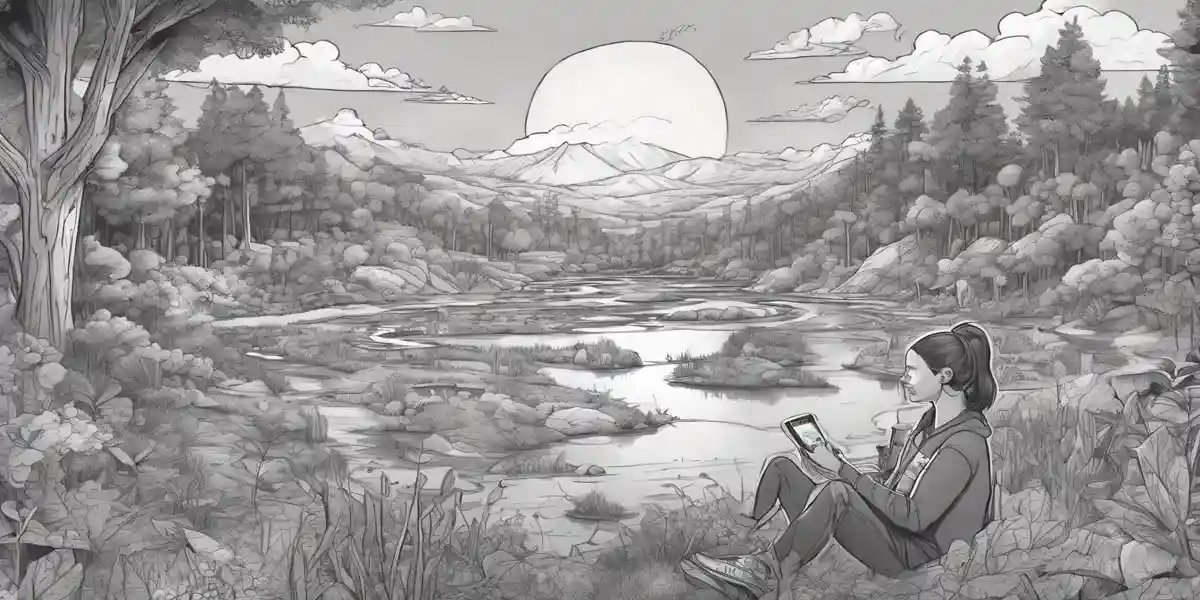
The evolution of landscape and nature photography in the context of Web3 technology opens up a myriad of possibilities that transcend traditional paradigms. As photographers navigate this new digital frontier, they stand to benefit from enhanced autonomy, greater community engagement, and innovative revenue models.
In a Web3 world, photographers can take charge of their narratives without relying on intermediaries such as galleries and agents. The decentralized nature of blockchain technology means that artists can directly connect with their audience. Imagine a landscape photographer showcasing their work on a decentralized platform where potential buyers can interact with them, learn about their creative process, and even discuss the environmental significance of their captured scenes. This direct engagement not only builds a stronger connection between artist and audience but also fosters a community rooted in appreciation for nature and its preservation.
The integration of Environmentally Smart Contracts is particularly noteworthy in this new landscape. These contracts can be programmed to allocate a portion of the proceeds from NFT sales to environmental conservation projects. For example, if a photographer sells an NFT depicting a breathtaking forest landscape, a percentage of that sale could automatically be directed to a reforestation initiative. This approach aligns the financial success of the artist with the health of the planet, creating a symbiotic relationship that benefits both parties. Such contracts could also ensure that photographers are compensated for any future resales of their work, providing them with ongoing revenue streams while supporting sustainable practices.
Moreover, NFT marketplaces specifically tailored for photography open up new avenues for visibility and sales. Platforms like Foundation and OpenSea allow photographers to mint their images as NFTs, giving them a unique digital identity that can be bought, sold, or traded. This visibility is crucial in a saturated market where countless images are uploaded daily. By creating a limited edition of a photograph as an NFT, a photographer not only establishes rarity but also enhances its perceived value. This shift could lead to a renaissance in how we view photography, moving it away from mass-produced prints to cherished digital collectibles.
Web3 technology also allows for the exploration of new aesthetics and forms of artistic expression. Photographers can leverage augmented reality (AR) and virtual reality (VR) to create immersive experiences that bring their landscapes to life. Imagine stepping into a virtual gallery where visitors can walk through a digitally recreated forest, experiencing the sights and sounds of nature as captured by the photographer. This level of interactivity not only enhances the viewer's connection to the artwork but also deepens their appreciation for the natural world.
The establishment of Decentralized Autonomous Organizations (DAOs) can further empower photographers by allowing them to collaborate on community-driven initiatives. For instance, a group of nature photographers could form a DAO to collectively fund conservation efforts or organize exhibitions that highlight environmental issues. Decisions made within a DAO are typically governed by the community, ensuring that all voices are heard and valued. This collaborative approach could lead to innovative projects that amplify the impact of individual photographers, creating a ripple effect of positive change in their communities.
In conclusion, the integration of Web3 technology into landscape nature photography represents a groundbreaking shift that empowers photographers while fostering deeper connections with their audiences. Throughout this exploration, we've uncovered how decentralization provides artists with direct access to their market, allowing them to engage without intermediaries. The introduction of Non-Fungible Tokens (NFTs) has redefined ownership and authenticity, enabling photographers to secure their rights while establishing value in a manner previously reserved for traditional art forms.
We've also seen how smart contracts pave the way for sustainable income, allowing photographers to benefit from their work's resale value, thereby creating a continuous revenue stream. Moreover, the potential for community engagement through decentralized autonomous organizations (DAOs) showcases how art can be a powerful vehicle for environmental conservation. This not only enriches the photographer's narrative but also aligns their passion with purposeful action to protect the landscapes they cherish.
However, this digital revolution does not come without its challenges, particularly regarding the environmental implications of blockchain technology. As photographers embrace Web3, they must remain vigilant and proactive in adopting sustainable practices that align with their commitment to nature preservation.
As we stand on the brink of this exciting new era, consider the implications of these technological advancements on your artistic journey. How might you leverage Web3 to transform your own work or the way you engage with your audience? As a photographer, artist, or art enthusiast, I encourage you to explore these possibilities, challenge the status quo, and actively participate in shaping a more sustainable and equitable future for all creators. The canvas of the digital world awaits your unique vision—let's paint it together.

Get notified about new articles, coffee tips, and Web3 insights.
This site participates in affiliate programs and may earn a commission when a link is clicked and a purchase is made. The site is not responsible for any issues or troubles related to the products or services purchased through the use of this site.

DO&COFFEE loves coffee and technology, exploring the potential of NFTs and blockchain. Learn more →
DO&COFFEE loves coffee and technology, exploring the potential of NFTs and blockchain. Learn more →