technology
2024/10/01

This article contains affiliate links. We may earn a small commission at no extra cost to you. Learn more
Imagine a world where decentralized finance (DeFi) development transcends individual efforts, morphing into a vibrant ecosystem driven by collaboration. This is the essence of the “DAO Effect,” a transformative notion that highlights how Decentralized Autonomous Organizations (DAOs) can elevate productivity among Web3 developers. As we delve into this article, we will explore how DAOs can act as dynamic incubators for innovation, allowing developers to pool their resources, skills, and creative insights. By working together rather than in isolation, developers can forge more robust and inventive DeFi applications.
In this blog post, we will examine the fundamental roles DAOs play in enhancing developer productivity through collaborative governance and resource allocation. We will also showcase real-world case studies of successful DAOs that exemplify these principles in action. Understanding the significance of this shift is crucial; as blockchain technology continues to evolve, the potential for DAOs to reshape the landscape of DeFi development is immense. Are you ready to uncover how embracing this collaborative model can redefine innovation in the digital finance realm?
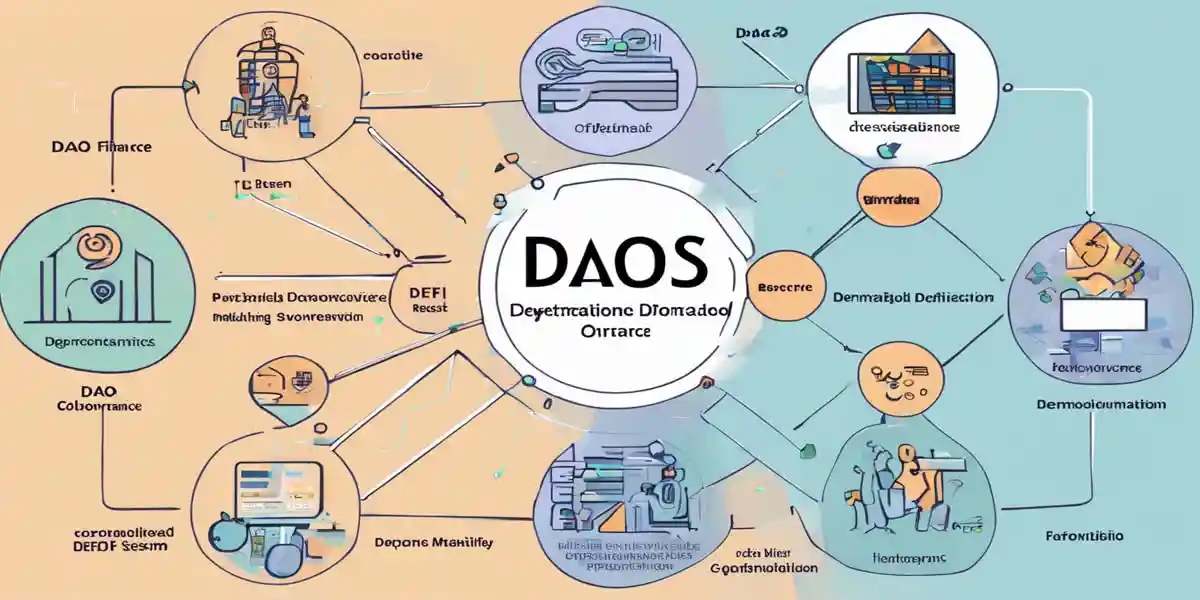
Decentralized Finance (DeFi) and Decentralized Autonomous Organizations (DAOs) are two of the most transformative concepts emerging from the blockchain revolution. Together, they create a landscape where traditional financial systems are not just challenged but reimagined. In this section, we will explore what DeFi and DAOs are, how they function, and their unique interplay that is reshaping the developer ecosystem in Web3.
Decentralized Finance (DeFi) refers to a financial ecosystem built on blockchain technology that aims to replicate and improve upon traditional financial systems without intermediaries. Through the use of smart contracts, DeFi platforms enable users to lend, borrow, trade, and earn interest on cryptocurrencies in a trustless manner. This presents a significant shift from conventional finance, where trust is placed in intermediaries like banks and brokers.
For instance, platforms like Aave and Uniswap allow users to engage in lending and trading directly with one another, utilizing decentralized liquidity pools. This not only reduces transaction costs but also increases accessibility for individuals who might not have access to traditional banking services. According to a report by DeFi Pulse, the total value locked (TVL) in DeFi has soared into the billions, showcasing the rising demand and potential of this sector.
Decentralized Autonomous Organizations (DAOs) are entities governed by smart contracts where decision-making is distributed among its members rather than being centralized. DAOs operate on the principle of collective ownership and democratic governance, allowing members to propose and vote on initiatives that affect the organization. This structure is particularly advantageous in the DeFi landscape, where rapid innovation and flexibility are essential.
For example, the MakerDAO enables token holders to vote on changes to the protocol, including risk parameters and collateral types. This level of community involvement not only empowers participants but also ensures that the organization can adapt quickly to market changes and challenges. As highlighted in recent research, DAOs allow pseudonymous entities to collaborate for shared objectives, thereby increasing the potential for innovation and resilience in projects.
The intersection of DeFi and DAOs creates a fertile ground for experimentation and growth in Web3 development. DAOs can serve as incubators for DeFi projects, pooling resources and talent to accelerate the development process. This collaborative approach fosters an ecosystem where diverse skills and perspectives lead to more robust solutions. For instance, when a DAO focuses on creating a new lending platform, it can bring together developers, economists, marketers, and community members to collaboratively refine the product.
Moreover, the transparency inherent in DAOs aligns perfectly with the core values of DeFi. With on-chain governance and open-source protocols, stakeholders can track decisions and resource allocations, promoting trust and accountability. This collaborative governance model not only democratizes decision-making but also encourages innovation by empowering the community to prioritize projects based on collective needs and market trends.
Research reveals that DAOs are evolving to address challenges such as voting centralization, with many moving toward one-person-one-vote systems that enhance fairness in governance. This evolution is crucial for fostering a truly decentralized ecosystem where every member's voice is valued and can contribute to the success of DeFi initiatives.
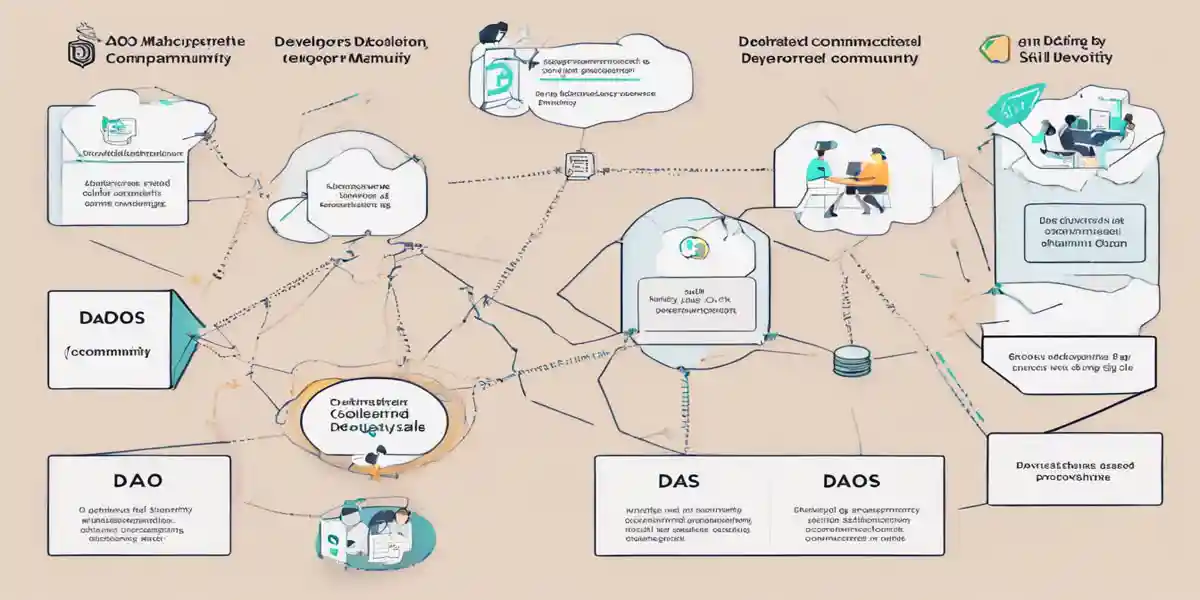
DAOs are not merely a trend; they represent a fundamental shift in how Web3 developers can harness collective effort to enhance productivity. By creating environments that prioritize collaboration and shared ownership, DAOs allow developers to focus on innovation rather than navigating the complexities of traditional organizational structures. This section delves into specific mechanisms through which DAOs significantly enhance developer productivity.
One of the most compelling aspects of DAOs is their capacity for resource pooling. In a traditional developer environment, resources such as funding, expertise, and tools can often be siloed within individual companies or projects. DAOs break down these barriers by creating a collective pool of resources that is accessible to all members. For example, consider a DAO focused on building decentralized finance (DeFi) applications. Members can contribute not just their coding skills but also insights from their backgrounds in finance, marketing, and compliance. This diverse skill set leads to more comprehensive solutions, as developers can draw upon a wealth of experience and knowledge that a single entity might lack.
DAOs are often structured around incentive systems that align the interests of developers with the organization's goals. Unlike traditional jobs where roles may become monotonous or disconnected from the end product, DAOs encourage developers to take ownership of their contributions. For example, in a DAO that develops a lending protocol, developers may earn tokens based on the success of their contributions. This not only motivates developers to produce high-quality work but also fosters a sense of community and shared purpose. When developers know their efforts directly impact the DAO's success, they are more likely to invest time and energy into their projects, leading to increased productivity.
The traditional hierarchical decision-making process can often stifle innovation, as ideas must pass through numerous layers of management. DAOs, however, operate on a decentralized governance model that empowers all members to participate in decision-making. This structure allows for quicker responses to market changes and more agile development cycles. For instance, if a DAO identifies a new trend in DeFi, developers can propose and vote on initiatives to pivot or enhance current projects without the delays typical in traditional companies. This nimbleness can result in faster project iterations and a more responsive development process.
Effective communication is a cornerstone of productivity, and DAOs inherently promote transparency among their members. With all discussions, proposals, and voting records stored on the blockchain, developers can easily access information and stay informed about ongoing projects and decisions. This transparency reduces the potential for misunderstandings and fosters a culture of openness where all members feel valued and heard. For example, a developer working on a smart contract can see feedback directly from other members, leading to faster iterations and improvements based on collaborative input.
Several DAOs have already demonstrated the potential for enhancing developer productivity in the DeFi space. Take MakerDAO, for instance, which allows contributors to propose changes to its DAI stablecoin protocol. Developers within the community can collaborate on enhancing the protocol based on real-time data and user feedback. This not only increases productivity but ensures that the platform evolves to meet user needs effectively.
Another example is Gitcoin, a DAO that connects developers with funding opportunities for open-source projects. By incentivizing developers to contribute to projects that align with their interests and skills, Gitcoin has created a thriving ecosystem where productivity is directly linked to passion and expertise.
The landscape of decentralized finance (DeFi) is rapidly evolving, driven by innovative governance structures that empower developers through collaborative decision-making. DAOs serve as the backbone of this evolution, fostering an environment where stakeholders can actively participate in governance, thereby enhancing creativity and productivity in Web3 development. This section delves into the mechanics of collaborative governance within DAOs and its implications for decision-making processes.
At the heart of DAOs is a framework that democratizes decision-making. Unlike traditional organizations, where decisions are often made in boardrooms behind closed doors, DAOs leverage blockchain technology and smart contracts to create transparent and inclusive governance mechanisms. Members of a DAO typically hold tokens that grant them voting rights, allowing them to influence critical project decisions. This model not only encourages participation but also ensures that the direction of the DAO aligns with the collective interests of its members.
For example, consider a DAO focused on developing a decentralized lending platform. Every member, from developers to end-users, has a voice in determining key aspects, such as the interest rates, collateral types, and platform features. This inclusivity fosters a sense of ownership, as each member understands that their vote directly impacts the project's success. By bringing diverse perspectives into the decision-making process, DAOs can identify and address potential pitfalls early on, leading to more well-rounded and innovative solutions.
One of the most significant advantages of collaborative governance in DAOs is the ability to harness collective intelligence. In traditional settings, decision-making can often be hindered by biases or a lack of information. However, in a DAO, the pooling of knowledge and expertise from a diverse group of contributors can lead to more informed and effective decisions. This not only accelerates the development process but also drives innovation.
Real-world examples abound. Take the MakerDAO as a case study. It operates a decentralized governance model where MKR token holders vote on critical decisions affecting the stability of the DAI stablecoin. Through community discussions and proposals, MakerDAO has innovated its risk management strategies, enabling it to adapt to the ever-changing landscape of DeFi. This adaptability is a direct result of its collaborative governance model, demonstrating how DAOs can facilitate rapid decision-making and resilience in the face of challenges.
While the potential of collaborative governance in DAOs is immense, it is not without its challenges. For instance, issues such as voter apathy and inadequate representation can undermine the effectiveness of decision-making processes. A study analyzing various DAOs found that some experienced low voter turnout, which could skew the results and lead to decisions that do not reflect the will of the majority.
To address these challenges, DAOs are exploring innovative solutions such as quadratic voting, which allows members to express the intensity of their preferences rather than just a simple yes or no. This approach can lead to more nuanced outcomes that better reflect the community's priorities. Additionally, enhancing user experience through intuitive interfaces and educational resources can empower more members to participate in governance, thus enriching the decision-making process.
The future of collaborative governance within DAOs is ripe with possibilities. As technological advancements continue to shape the landscape of DeFi, we can anticipate the emergence of new governance models that further enhance participation and decision-making effectiveness. For instance, integrating AI-driven analytics could help identify trends and insights from community votes, providing valuable data to inform future proposals.
Moreover, as DAOs become more mainstream, we might witness a shift in regulatory landscapes that could support their growth. With clearer guidelines and frameworks, developers can innovate within a secure environment, fostering trust and collaboration among stakeholders.
In summary, collaborative governance and decision-making within DAOs not only empower developers but also redefine the way communities engage with DeFi projects. By embracing a model that values participation, transparency, and collective intelligence, DAOs are unlocking new potentials for innovation and productivity in the Web3 ecosystem.
In exploring the symbiotic relationship between Decentralized Finance (DeFi) and Decentralized Autonomous Organizations (DAOs), we’ve uncovered a remarkable narrative of innovation, collaboration, and enhanced productivity. The transition from traditional financial paradigms to a decentralized model not only democratizes access to financial services but also empowers developers to thrive in an environment rooted in collective intelligence and shared governance.
We delved into how DAOs play a pivotal role in elevating developer productivity through several key mechanisms. By facilitating resource pooling and skill diversification, DAOs enable developers to leverage a broad spectrum of expertise, leading to well-rounded and innovative solutions. Their incentive structures foster a sense of ownership and community, motivating developers to align their efforts with the organization’s goals. Moreover, the decentralized decision-making processes inherent in DAOs promote agility, allowing for rapid responses to market shifts and encouraging iterative development that aligns with user needs.
Real-world examples like MakerDAO and Gitcoin illustrate the tangible benefits of these collaborative frameworks, showcasing how they not only enhance productivity but also adapt to the evolving landscape of DeFi. As we look to the future, the potential for DAOs to redefine work in the Web3 space is immense. However, challenges such as voter apathy and representation must be addressed to fully realize this potential.
As you reflect on the insights shared in this article, consider your role in this transformative journey. Whether you are a developer, a financial enthusiast, or someone simply curious about the future of finance, engaging with DAOs offers a unique opportunity to shape the decentralized future. Will you take the plunge into this collaborative ecosystem and contribute to unlocking the full potential of DeFi? The choice is yours, and the time to act is now.

Get notified about new articles, coffee tips, and Web3 insights.
This site participates in affiliate programs and may earn a commission when a link is clicked and a purchase is made. The site is not responsible for any issues or troubles related to the products or services purchased through the use of this site.
DO&COFFEE loves coffee and technology, exploring the potential of NFTs and blockchain. Learn more →
DO&COFFEE loves coffee and technology, exploring the potential of NFTs and blockchain. Learn more →