technology
2024/09/06

This article contains affiliate links. We may earn a small commission at no extra cost to you. Learn more
In a world where the digital landscape is evolving at breakneck speed, the concept of digital identity is becoming increasingly vital to how we perceive ourselves and interact with others. Have you ever considered how your online presence shapes your real-world experiences? Enter digital collectibles and digital twins—two groundbreaking innovations that are not just reshaping our understanding of ownership but also redefining self-expression in the virtual realm. Digital collectibles, unique assets authenticated through blockchain technology, offer more than mere ownership; they serve as badges of identity that connect us to communities and cultures that resonate with our passions. Meanwhile, digital twins act as virtual mirrors of our physical selves, encapsulating our preferences, experiences, and even our aspirations. Together, these concepts invite us to explore the profound implications for our lifestyles and identities. As we dive deeper into the interplay between digital collectibles and digital twins, we’ll uncover how they challenge traditional ideas of value and ownership, prompting us to rethink our roles in an increasingly digital world. Are you ready to unlock this new lifestyle and reflect on what it means for your own digital journey?
In the age of rapid technological advancement, the concept of digital identity has emerged as a pivotal aspect of our online lives. Digital collectibles—unique assets verified by blockchain technology—are not just mere tokens; they represent a new dimension of self-expression and social interaction. When intertwined with the idea of digital twins, these collectibles take on an even richer significance.
Digital collectibles, often manifested as non-fungible tokens (NFTs), are unique digital assets stored on a blockchain. Unlike traditional currencies or collectibles, which can be exchanged for one another, each NFT is distinct and typically comes with its own history, provenance, and value. For example, platforms like OpenSea and Rarible provide marketplaces where artists and creators can mint and sell their digital art as NFTs. This process not only empowers artists to monetize their work directly but also allows collectors to own a piece of digital culture.
Consider the case of Beeple, a digital artist whose NFT artwork sold for a staggering $69 million at a Christie's auction. This sale not only catapulted digital art into the mainstream but also showcased how digital collectibles can elevate an artist's status and redefine ownership in the digital realm. Each digital collectible can be a reflection of who you are, serving as a badge of identity in virtual spaces. When you own a limited-edition NFT from a beloved artist, it signifies not just ownership but a connection to a broader community of enthusiasts who share similar interests.
Digital twins, on the other hand, are virtual representations of physical entities or even of ourselves—our personas, preferences, and experiences. Imagine curating a digital collection that mirrors your interests and values, ranging from art and music to fashion and gaming. This concept extends beyond mere representation; it encapsulates our digital identities, allowing us to navigate both virtual and physical worlds with a cohesive sense of self.
For instance, in the gaming community, platforms like Fortnite allow players to customize their avatars with digital outfits and accessories, creating a digital twin that reflects their personalities and preferences. Each outfit or accessory can be viewed as a digital collectible, symbolizing achievements and experiences within the game. The intersection of digital collectibles and digital twins challenges traditional notions of value and ownership, inviting us to reconsider what it means to be ourselves in an increasingly digital world.
The Metaverse—an interconnected virtual universe—serves as a fertile ground for exploring the evolving role of digital identity. As users engage with digital collectibles and create digital twins, they find themselves navigating a landscape where anonymity and pseudonymity play crucial roles. According to recent research, the Metaverse can be seen as the digitalization of the physical world, where power ownership becomes a central issue. Technologies like blockchain not only facilitate secure transactions but also enable users to maintain control over their digital identities.
In this context, incorporating privacy filters becomes essential to balancing private rights with public interests. As we invest in and showcase our digital collectibles, we’re not just participating in a market; we’re constructing identities that blend seamlessly into our physical lives. This evolution raises intriguing questions: How do these digital assets influence our behaviors and aspirations? Are we ready to embrace this shift, and how will it shape our interactions both online and offline? Exploring these themes can illuminate the profound impact of digital collectibles on our lifestyles and identities, inviting readers to reflect on their own digital journeys.
Digital collectibles are rapidly reshaping our understanding of identity and ownership in the digital realm. By leveraging blockchain technology, these unique assets are not merely tokens; they encapsulate a new way of expressing ourselves and engaging with communities.
At their core, digital collectibles—often represented as Non-Fungible Tokens (NFTs)—are unique digital assets verified through blockchain technology. This verification process ensures that each item is distinct and cannot be replicated, much like a one-of-a-kind piece of art. Imagine owning a digital artwork by a renowned artist, where the ownership and provenance are recorded immutably on the blockchain. Such collectibles offer more than aesthetic pleasure; they serve as badges of identity and status within online communities.
Digital collectibles are a manifestation of our interests and passions, ranging from virtual trading cards and in-game items to music tracks and digital art. For example, platforms like OpenSea and Rarible have emerged as marketplaces where users can buy, sell, and trade these assets, creating vibrant ecosystems around them. The appeal of owning a digital collectible lies not only in its uniqueness but also in the community it connects you to. Consider the Bored Ape Yacht Club, a collection of digital apes that has gained immense popularity. Owning one of these NFTs offers membership into an exclusive club, complete with events, social interactions, and shared experiences, enhancing the sense of belonging among its members.
As we delve deeper into the world of digital collectibles, it becomes evident that they play a crucial role in shaping our digital identities. Each collectible we own can reflect our personal tastes, beliefs, and affiliations. The act of curating a collection—whether it be rare sneakers in the virtual realm or exclusive digital artworks—serves as an extension of our physical selves. This curation is not merely about possession; it's a form of self-expression that communicates who we are to others in the digital landscape.
Moreover, the relationship between digital collectibles and digital twins—virtual representations of our identities—enhances this dynamic further. Imagine a digital twin that mirrors your preferences and experiences, showcasing your digital collectibles as a visual narrative of your journey. This interplay challenges conventional notions of ownership and value, prompting us to consider the implications of our digital lives. Are we merely consumers, or do we become curators of our identities through these assets?
The rise of digital collectibles also raises significant questions regarding anonymity and privacy in the Metaverse. As highlighted in academic discussions, the digital identity landscape is fraught with tensions between anonymity and pseudonymity. With every transaction involving digital collectibles, we leave breadcrumbs of our identity. Technologies like blockchain not only offer transparency but also raise concerns about data privacy and ownership rights.
In this evolving landscape, it’s crucial to consider how digital collectibles influence our behaviors and aspirations. As individuals invest in and showcase their collections, they are not simply participating in a market; they are actively constructing identities that blend seamlessly into their physical lives. This intersection challenges us to rethink what it means to own something in a digital context and how these assets can shape our interactions in both virtual and real-world environments.
As we navigate the intersection of technology and identity, digital collectibles and digital twins present innovative avenues for enhancing our personal lifestyles. These digital assets not only serve as forms of self-expression but also foster community, personal growth, and a deeper understanding of our identities in the digital realm.
Imagine your digital identity as a curated gallery, showcasing various aspects of who you are. Digital collectibles allow you to express your interests and values uniquely. For instance, owning a rare NFT from an artist you admire acts as more than just a digital asset; it signals your alignment with a community that shares your passion. This community aspect can significantly enhance your lifestyle, as it opens doors to new relationships and collaborations.
Consider the case of platforms like OpenSea or Rarible, where users not only buy and sell digital art but also engage in conversations and collaborations with artists and other collectors. Here, blockchain technology ensures the authenticity of assets, allowing for a trust-based community where personal connections can flourish.
Digital twins—virtual representations of ourselves or our possessions—offer profound insights into our personal behaviors and preferences. By creating a digital twin, you can analyze your lifestyle choices, track your interests, and even set goals. For example, fitness apps that utilize digital twins can simulate your physical attributes and monitor your progress over time. This data-driven approach to self-improvement can empower you to make informed decisions regarding your health and wellness.
Moreover, the ability to visualize data related to your habits, from sleep patterns to exercise routines, can lead to more profound personal insights. As highlighted in research on digital identity and human development, the ability to reflect on one’s digital self can facilitate a better understanding of personal growth trajectories. Digital twins enable this unique introspection, ultimately enhancing your lifestyle through informed choices.
The rise of digital collectibles and twins also influences how we interact socially. As discussed in the context of the Metaverse, the balance between anonymity and pseudonymity becomes crucial. While digital collectibles can offer a sense of belonging within a community, they simultaneously provide the option to engage without revealing personal identifiers. This duality allows individuals to explore their identities freely, participating in discussions and activities without the constraints of their physical identities.
For example, platforms that allow users to create avatars or digital representations of themselves can foster a sense of freedom in self-expression. Users can experiment with different aspects of their identity—whether through fashion choices for their avatars or the types of collectibles they choose to showcase—leading to a more diverse and inclusive environment.
The digital collectibles market has also transformed traditional notions of ownership and consumption. In a world where material possessions often define status, digital collectibles challenge this paradigm. By investing in digital art or virtual goods, individuals can redefine their sense of ownership beyond physical items. This shift encourages a lifestyle that values experiences and connections over material accumulation.
Take the example of virtual fashion brands, where digital clothing is bought and sold for avatars in online environments. These purchases might seem trivial at first glance, but they reflect a deeper cultural shift towards valuing virtual experiences, allowing individuals to express themselves in ways that align with their digital identities.
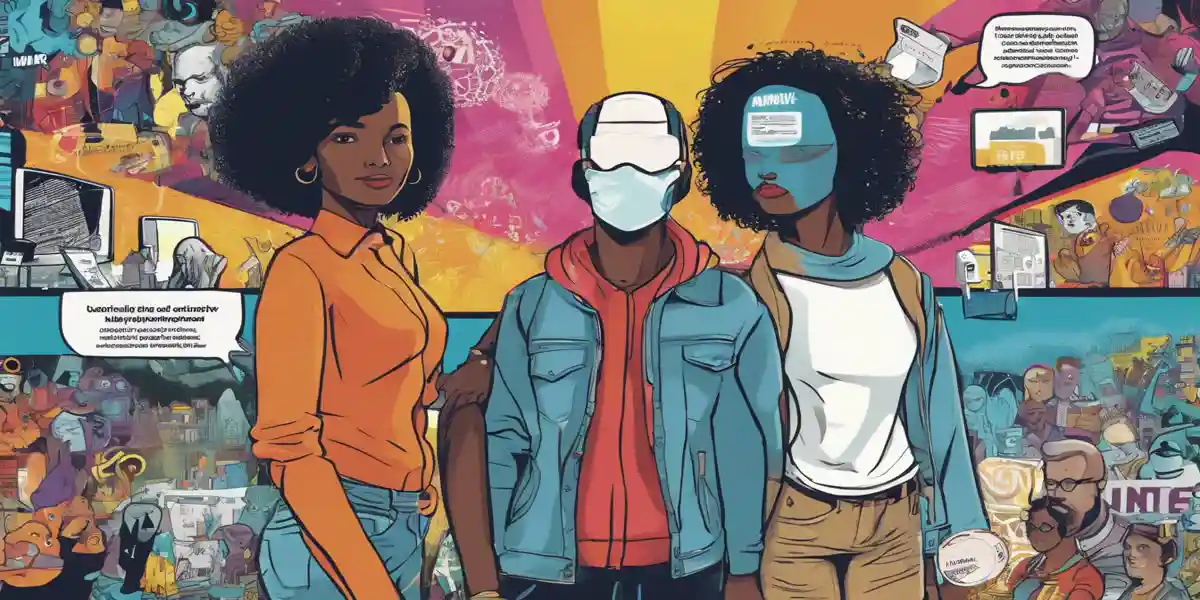
In the age of rapid technological advancement, the concept of digital identity has emerged as a pivotal aspect of our online lives. Digital collectibles—unique assets verified by blockchain technology—are not just mere tokens; they represent a new dimension of self-expression and social interaction. When intertwined with the idea of digital twins, these collectibles take on an even richer significance.
Digital collectibles, often manifested as non-fungible tokens (NFTs), have revolutionized how we perceive ownership and value in the digital realm. These one-of-a-kind digital assets can include everything from artwork and music to virtual real estate and in-game items. For example, consider the case of Beeple's digital artwork, which sold for a staggering $69 million at a Christie’s auction. This sale not only highlighted the demand for digital art but also showcased how digital collectibles can serve as status symbols within digital communities.
Digital twins are virtual representations of physical entities or ourselves—our personas, preferences, and experiences. Imagine curating a digital collection that mirrors your interests and values, ranging from art and music to fashion and gaming. As we embrace digital twins, we create a parallel identity that interacts with our physical existence. For instance, a digital twin could represent your fashion style through ownership of virtual clothing items, showcasing your taste in an online avatar that you can customize.
As we navigate the evolving landscape of digital assets, each digital collectible can be a reflection of who we are, serving as a badge of identity in virtual spaces. Owning a limited-edition NFT from a beloved artist, for example, not only signifies ownership but also aligns your identity with a community of like-minded enthusiasts. This intersection of digital collectibles and digital twins challenges traditional notions of value and ownership, inviting us to reconsider what it means to be ourselves in an increasingly digital world.
The implications of digital collectibles and twins extend into our behavioral patterns and aspirations. When we invest in and showcase our digital collectibles, we are not merely participating in a market; we are constructing identities that blend seamlessly into our physical lives. The Metaverse, as described in recent research, represents the digitalization of the physical world, where power ownership and identity management become critical issues. Blockchain technology can provide transparency and security, ensuring that our digital identities are protected while allowing us to engage in transactions confidently.
However, the rise of digital identity also raises important questions regarding privacy and anonymity. The tension between these two concepts is prevalent as online transactions and digital assets proliferate. Technologies like privacy filters are essential in this discussion, enabling a balance between individual rights and public interests. The identity trust crisis and privacy concerns highlighted in recent studies point to the need for robust governance methods that can adapt to these new challenges. As we explore our digital identities, how can we ensure that our personal information remains protected while still engaging in these vibrant online communities?
The dialogue surrounding digital identity is not just about technology; it is also linked to human development. Researchers are beginning to outline a framework that connects digital identity to various dimensions of human advancement. By understanding how our digital identities influence our interactions and opportunities, we can better navigate the complexities of the digital age. The relationship between digital identity and development outcomes is becoming increasingly significant, encouraging further exploration into how we can harness these new technologies for positive societal change.
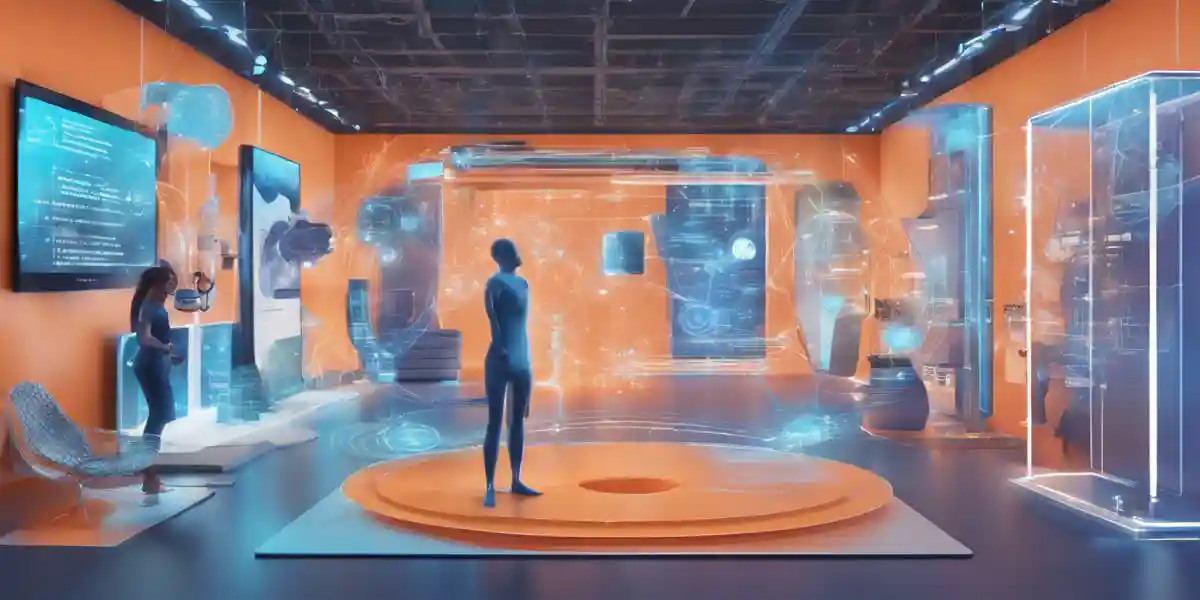
Digital twins serve as innovative virtual replicas of physical entities, encompassing not just objects but also people, environments, and systems. They have emerged as crucial elements in redefining our interaction with the digital landscape.
At their core, digital twins are sophisticated simulations of real-world counterparts, integrating data from various sources to create a dynamic model that mirrors their physical existence. This concept extends beyond simple representations; digital twins provide actionable insights and facilitate interaction through real-time data analysis. For instance, a digital twin of a smart home can monitor energy consumption, manage appliances, and even adjust settings based on user preferences. This not only enhances convenience but also promotes sustainability by optimizing resource usage.
The functionality of digital twins is made possible through a combination of Internet of Things (IoT) technology and advanced analytics. IoT devices collect data from the physical world, which is then processed and visualized in the digital twin. This allows for predictive maintenance in manufacturing, where a digital twin of a machine can anticipate failures before they happen, thereby minimizing downtime and repair costs. Companies like Siemens and GE have successfully implemented digital twins in their production lines, driving efficiency and reducing operational risks.
Real-world applications of digital twins extend into the realm of personal identity and lifestyle as well. Imagine having a digital twin that reflects your health metrics, lifestyle choices, and even your emotional state. Wearable devices track physical activity and health data, feeding this information into a digital twin that you can interact with to make informed health decisions. This level of personalization transforms how we approach wellness, making it a more integrated part of our daily routines.
The integration of digital twins into the Metaverse further amplifies their impact on modern living. In this virtual environment, a digital twin can represent not just physical items but also your digital identity—your preferences, habits, and social interactions. The tension between anonymity and pseudonymity within the Metaverse highlights the importance of having a reliable digital twin that reflects your true self while allowing you to navigate social constructs safely.
This raises critical questions about ownership and control of digital identities. As highlighted in recent research, the Metaverse is essentially a digitalization of our physical world, where power dynamics shift based on who owns what. Blockchain technology plays a pivotal role here, providing a transparent ledger that can verify ownership without compromising privacy. By employing privacy filters, users can manage their digital identities with greater autonomy, addressing concerns related to trust and security in online transactions.
Through these examples, it becomes clear how digital twins are not merely technological novelties; they are reshaping our lifestyles and interactions in profound ways. They invite us to rethink our identities, the assets we possess, and how we engage with both the physical and digital realms.
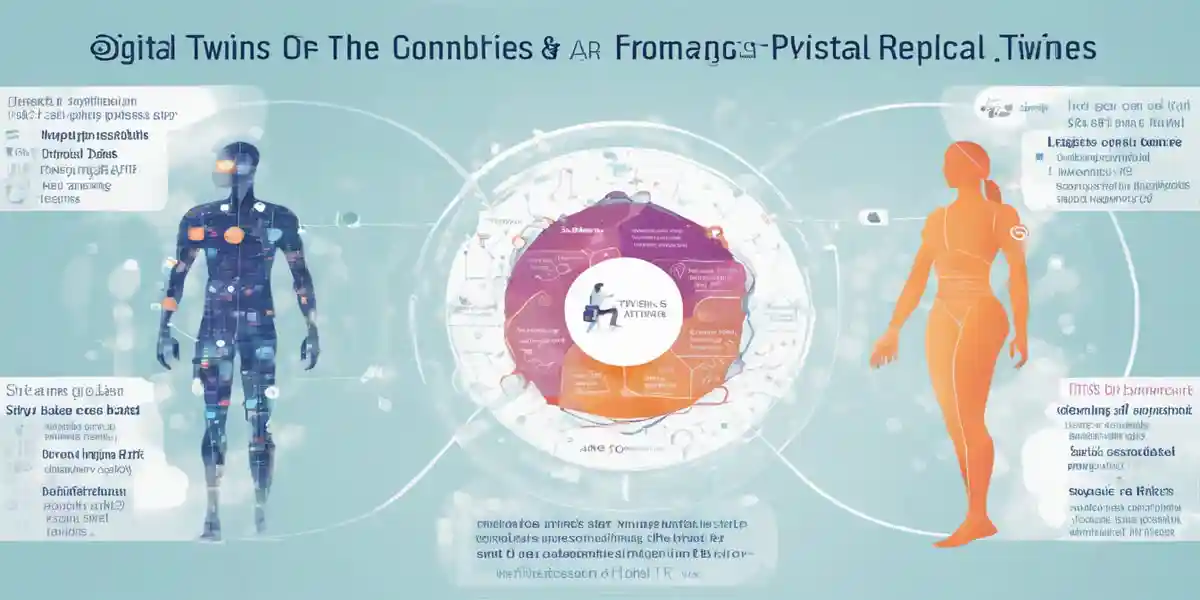
As we navigate the contemporary digital landscape, the integration of digital twins into our daily routines is becoming increasingly plausible. Digital twins are more than just abstract concepts; they can be vital tools that enhance our interaction with the physical world through virtual representations. This section explores how digital twins can be seamlessly woven into the fabric of our everyday lives, transforming not just individual experiences but also the broader landscape of our digital identities.
At their core, digital twins serve as virtual replicas of physical entities, whether they be objects, systems, or even personal attributes like preferences and behaviors. Imagine a smart home where every device communicates with its digital twin, providing real-time data and insights. For instance, a digital twin of your refrigerator could monitor your food inventory, suggest recipes based on what you have, and even notify you when items are about to expire. This level of integration not only enhances convenience but also encourages more mindful consumption habits.
In the realms of health and fitness, digital twins can play a transformative role. Consider a scenario where your health data—such as heart rate, activity levels, and sleep patterns—is continuously fed into a digital twin of yourself. This twin can analyze your habits, provide tailored fitness recommendations, and even alert you to potential health risks based on the collected data. Wearable technology, like smartwatches, exemplifies this integration as they create digital twins that help individuals track their health metrics and achieve their personal wellness goals.
The application of digital twins extends to personal finance as well. Imagine a digital twin that mirrors your financial habits, investments, and savings. By analyzing your spending patterns and investment strategies, this digital entity could provide actionable insights, helping you make informed decisions about budgeting, saving, and investing. This proactive approach to personal finance not only empowers individuals but also aligns with the broader trend of digital identity shaping our financial behaviors.
Social interactions are also set to be reshaped by the integration of digital twins. In a world where virtual avatars represent us in online spaces, these avatars can be enriched by our digital twins, reflecting our true selves more accurately. For example, if you are a gamer, your digital twin could embody your playstyle, preferences, and achievements, allowing for more authentic interactions within gaming communities. This shift from anonymity to a more nuanced representation fosters genuine connections, as users engage with avatars that mirror their real-life personas.
Despite the promising potential of digital twins, there are challenges that come with their integration into everyday life. Privacy concerns loom large, as the collection and analysis of personal data raise questions about ownership and control. The balance between private rights and public interests becomes crucial, especially as highlighted in recent studies on digital identity in the Metaverse. Ensuring that individuals maintain agency over their digital twins while benefiting from their insights is essential for fostering trust in these technologies.
Several companies are already pioneering the integration of digital twins into everyday life. For instance, General Electric employs digital twins in the industrial sector to optimize machinery performance and maintenance schedules. In consumer technology, platforms like Fitbit and Apple Health are creating personal digital twins focused on health and wellness, enabling users to visualize their progress and set personalized goals. These real-world applications exemplify how digital twins can positively impact various aspects of our lives, merging the digital and physical realms.
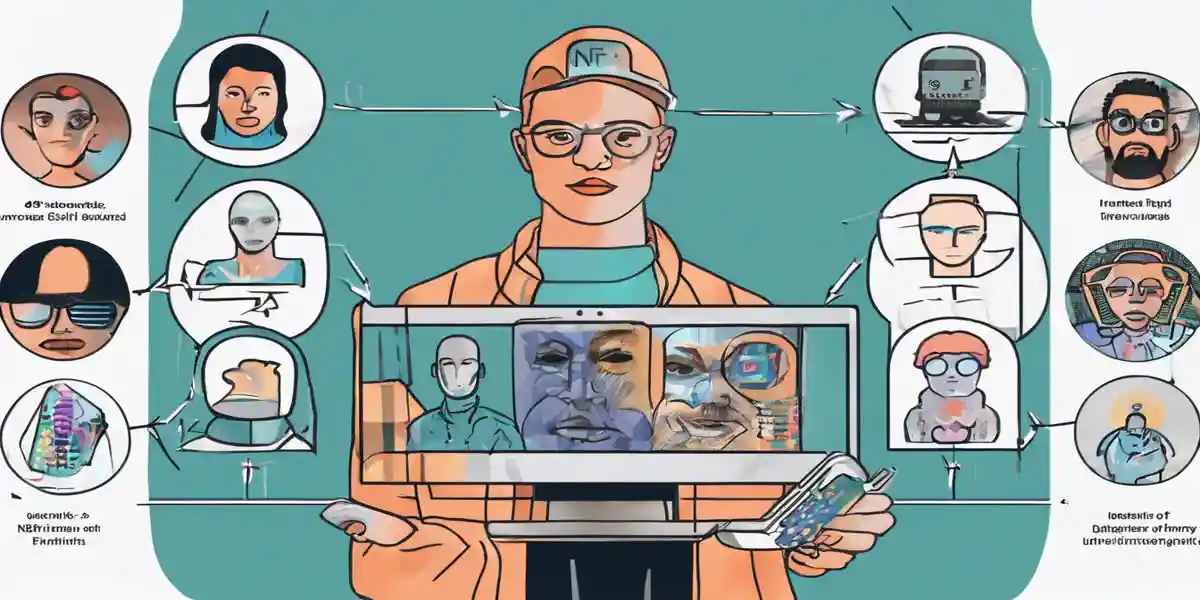
This section delves into the vital connection between digital collectibles and digital twins, examining how they shape our understanding of digital identity in contemporary society.
Digital collectibles, often represented as non-fungible tokens (NFTs), serve as unique digital assets secured by blockchain technology. They are more than just digital images or files; they embody a new form of self-expression and community belonging. For example, consider the popular NFT marketplace OpenSea, where users buy and sell various digital art pieces, music files, and even virtual real estate. Each purchase is a statement of identity, signaling not only personal taste but also membership in specific social circles.
One compelling instance is the Bored Ape Yacht Club, a collection of 10,000 unique NFT apes. Owning a Bored Ape is more than just owning a digital image; it grants access to exclusive events and networking opportunities, illustrating how digital collectibles can enhance real-world social interactions. This intertwining of virtual ownership with tangible benefits highlights the significant role these assets play in constructing our online personas. With every digital collectible acquired, individuals are effectively curating a personal gallery that reflects their values, interests, and affiliations.
Digital twins, on the other hand, present a fascinating layer to this discussion. They are virtual representations of physical entities or individuals, encompassing our preferences, behaviors, and experiences. Think of a digital twin as a comprehensive profile that evolves with us. In a world where every click and interaction contributes to our digital footprint, these twins can serve as detailed avatars of our real selves.
For instance, in gaming, platforms like Fortnite allow users to create avatars that can be customized with digital collectibles. These avatars not only represent the player within the gaming universe but also reflect their real-world personality traits and preferences. The digital twin thus becomes a canvas for self-expression, allowing users to explore different facets of their identity in an immersive environment.
The emergence of the Metaverse—a collective virtual shared space—further complicates our understanding of digital identity. According to research, the Metaverse is transforming the digital landscape into a reflection of the physical world, where transactions and social interactions occur in a virtual setting. As individuals navigate this space, the balance between anonymity and pseudonymity becomes crucial. Users must decide how much of their real identity to reveal while maintaining a sense of safety and privacy.
The use of blockchain and privacy filters, as discussed in recent studies, allows for a new governance model that respects individual privacy while fostering community engagement. This is especially relevant in an age where trust in digital identities is increasingly called into question. By leveraging these technologies, we can create a digital identity that is both secure and authentic, allowing for richer interactions between users.
As we explore the implications of digital identity, it's essential to recognize its impact on human development. Recent research has proposed a framework linking digital identity to various dimensions of growth, emphasizing the role of digital assets in shaping opportunities and outcomes. For example, access to digital collectibles and the ability to curate a digital twin can empower individuals, enhancing their social capital and economic opportunities.
This intersection of digital identity and human development opens up avenues for exploration in how technology can be harnessed for positive societal impact. As digital collectibles continue to evolve, they prompt us to reconsider our understanding of ownership, value, and self-expression in a rapidly changing world.
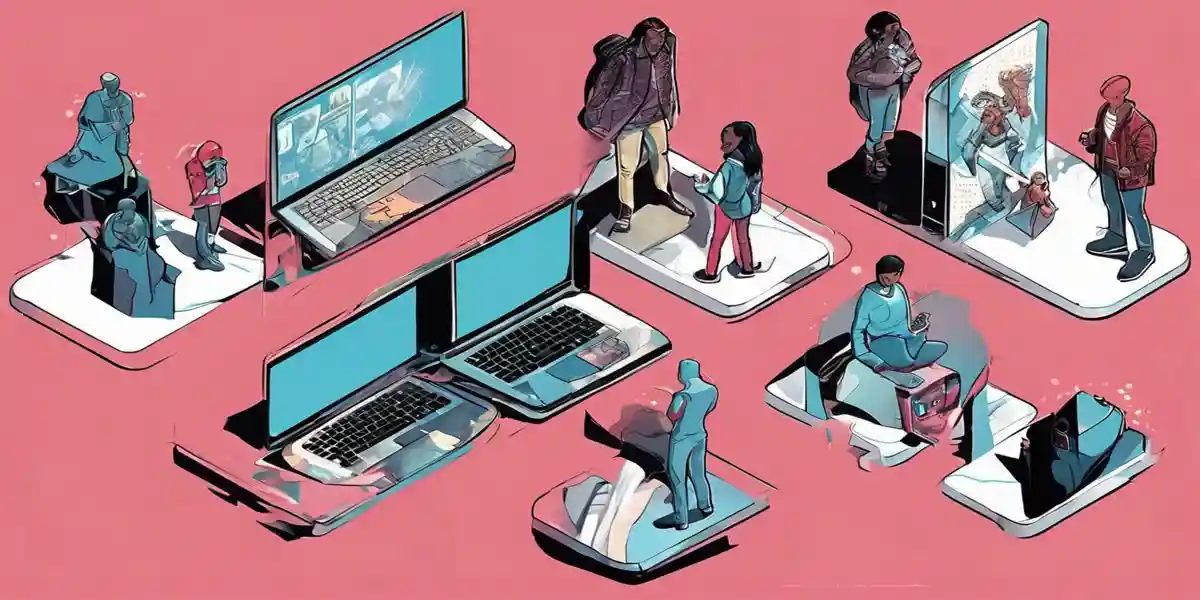
As we stand on the brink of a new era defined by digital collectibles and digital twins, it’s essential to understand how these innovations are reshaping our identities and lifestyles. In this rapidly evolving digital landscape, we no longer exist solely as physical beings; our online personas are increasingly becoming integral to who we are.
Digital identity serves as the backbone of our interactions in this new digital lifestyle. The concept, deeply analyzed in the context of the Metaverse, reveals the tensions between anonymity and pseudonymity that emerge as we engage in online transactions. The "Enterprise IA" model proposed by Morey et al. provides a valuable framework for understanding these dynamics, suggesting that our digital footprints can shape not only personal identity but also societal norms. For instance, when individuals invest in digital collectibles, they are not just acquiring assets; they are crafting a narrative about their preferences, aspirations, and affiliations.
Digital collectibles, especially those authenticated through blockchain technology, represent more than ownership—they are expressive artifacts of our digital selves. Consider the case of a gamer who collects exclusive in-game items or a music enthusiast who purchases NFTs from their favorite artists. These items are not merely visual representations; they embody shared experiences and community belonging. As these digital assets are showcased in virtual environments, they become badges of identity, fostering connections among individuals with similar interests. The act of curating a collection thus transforms into a personal journey of self-discovery and expression.
Integrating digital twins into this equation enhances the complexity of our digital identities. These virtual representations of ourselves can encapsulate our preferences, behaviors, and even our social interactions. Imagine a scenario where your digital twin, powered by AI, interacts with other digital twins in a simulated environment, making choices that reflect your values and interests. This not only enriches your digital experience but also blurs the lines between the physical and virtual realms. Such interactions raise important questions: How much of our real selves are we willing to invest in these digital counterparts? And how will this affect our relationships in the physical world?
As we navigate this new landscape, the governance of our digital identities becomes paramount. The concerns surrounding privacy and ownership, as highlighted in recent studies, point to a pressing need for frameworks that safeguard individual rights while promoting community interests. Technologies like blockchain offer promising solutions to these challenges, providing transparency and trust in an era where identity theft and data breaches are rampant. By leveraging such technologies, we can cultivate a digital environment that respects personal autonomy while fostering collective engagement.
Ultimately, embracing a new digital lifestyle means recognizing the profound impact of digital collectibles and digital twins on our identities and interactions. As we invest in these digital assets, we are not merely participating in a market; we are participating in a cultural shift that challenges traditional notions of ownership and value. With every digital collectible we acquire and every digital twin we create, we are weaving a richer tapestry of who we are in this interconnected world. Are we ready to fully explore this new landscape, and what implications will it have for our future selves?
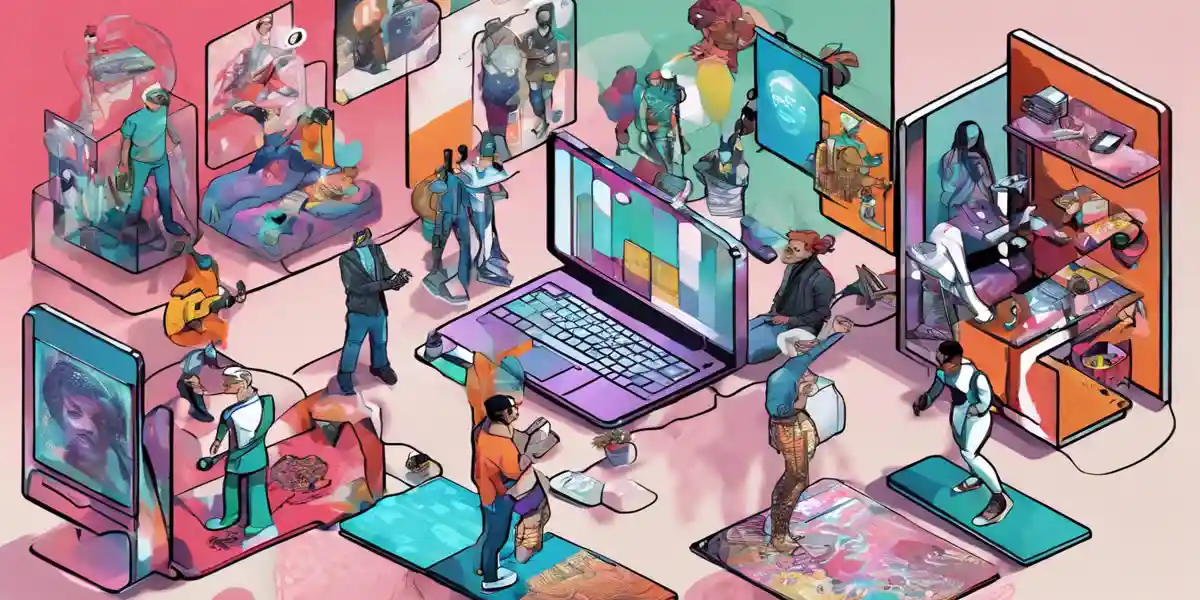
The integration of digital collectibles and digital twins has profound implications for our understanding of digital identity. In a time when our online existence is just as significant as our physical presence, these innovations offer fresh avenues for self-expression and social engagement.
Digital collectibles, often in the form of non-fungible tokens (NFTs), are unique digital assets authenticated through blockchain technology. Unlike traditional collectibles that exist in the physical realm, digital collectibles bring a new layer of ownership and scarcity to the digital landscape. For instance, platforms like OpenSea and Rarible allow users to buy and sell NFTs, creating a vibrant marketplace for digital art, music, and even virtual real estate.
Consider the case of Beeple, a digital artist who sold an NFT artwork for a staggering $69 million at a Christie's auction. This transaction not only highlighted the value of digital art but also underscored the growing acceptance of digital collectibles as a legitimate form of investment and ownership. Such transactions challenge our traditional understanding of what it means to "own" something, as the value is derived not just from the asset itself but from the identity it helps to construct.
Digital twins take the concept of digital identity a step further. They are virtual replicas of physical entities—be it products, processes, or even individuals. These digital representations allow for a deeper interaction with our digital selves, enabling us to simulate experiences, behaviors, and preferences. For instance, in the gaming world, players can create digital twins of themselves, customizing avatars that reflect their personal style and interests. This not only enhances the gaming experience but also allows players to express their identities in a virtual setting.
In the realm of fashion, brands like Balenciaga are experimenting with digital twins by creating virtual clothing that can be worn by avatars in digital spaces. This innovation opens up new possibilities for self-expression, where individuals can curate a wardrobe that exists only in the digital realm, challenging the traditional consumerism associated with physical fashion.
When combined, digital collectibles and digital twins create a unique ecosystem where our online identities can flourish. For example, imagine a virtual gallery filled with digital art pieces that you own as NFTs. Each piece not only serves as a decorative element but also as a conversation starter, allowing you to connect with others who share similar tastes and values. This digital collection becomes a part of your identity, showcasing your interests and affiliations in an increasingly digital world.
Moreover, as detailed in the recent studies on digital identity, the Metaverse represents a significant shift towards the complete digitalization of our physical world. The tension between anonymity and pseudonymity plays a crucial role in this transformation. While anonymity allows for freedom of expression, pseudonymity fosters accountability. The incorporation of technologies such as blockchain can provide a balance, ensuring that while we curate our identities online, we also maintain a level of privacy and security.
As we navigate this evolving landscape, the implications for our identities are profound. The ability to construct a digital persona that reflects our values, interests, and aspirations is not merely a trend; it is a fundamental shift in how we perceive ourselves. The frameworks proposed in current research emphasize the importance of understanding these identities in relation to human development and social interaction.
As digital identity becomes integral to our lives, we must ask ourselves: How do we want to be represented in these digital realms? Are we ready to embrace the potential of digital collectibles and twins as tools for self-expression and community building? The answers to these questions will shape our interactions both online and offline, challenging us to rethink our identities in a digital age.
As we conclude our exploration of digital collectibles and digital twins, it is clear that we are on the cusp of a transformative shift in how we perceive identity, ownership, and personal expression in the digital realm. These technologies are not mere trends; they are redefining our interactions, aspirations, and how we connect with others in an increasingly interconnected world.
The blog post has illustrated how digital collectibles, particularly in the form of NFTs, empower individuals to express their identities and foster connections within communities. Through ownership of unique digital assets, people can curate personal narratives that resonate with their values and interests, enhancing social interactions and creating a sense of belonging. Additionally, digital twins offer a dynamic representation of our physical selves, allowing for real-time analysis of our behaviors and preferences, which can lead to better decision-making and personal growth.
Moreover, the integration of these concepts into the Metaverse highlights the ongoing evolution of digital identity. The balance between anonymity and pseudonymity, facilitated by blockchain technology, underscores the importance of maintaining privacy while engaging in vibrant online communities. As we navigate this landscape of digital identity, we must remain mindful of the implications for our social interactions and the ownership of our digital selves.
As we reflect on the potential of digital collectibles and digital twins, it's crucial to ask ourselves: How do we want to shape our digital identities moving forward? Are we ready to embrace these tools as not just assets but as essential components of our self-expression and community engagement? The choices we make today about our digital identities will pave the way for our interactions tomorrow. Let us take the initiative to explore, create, and engage in this new digital lifestyle, ensuring that our online personas reflect the authenticity of who we are. The future is digital—let's unlock its full potential together.
Get notified about new articles, coffee tips, and Web3 insights.
This site participates in affiliate programs and may earn a commission when a link is clicked and a purchase is made. The site is not responsible for any issues or troubles related to the products or services purchased through the use of this site.

DO&COFFEE loves coffee and technology, exploring the potential of NFTs and blockchain. Learn more →
DO&COFFEE loves coffee and technology, exploring the potential of NFTs and blockchain. Learn more →